
Study Compares Implant Overdenture Attachment Systems
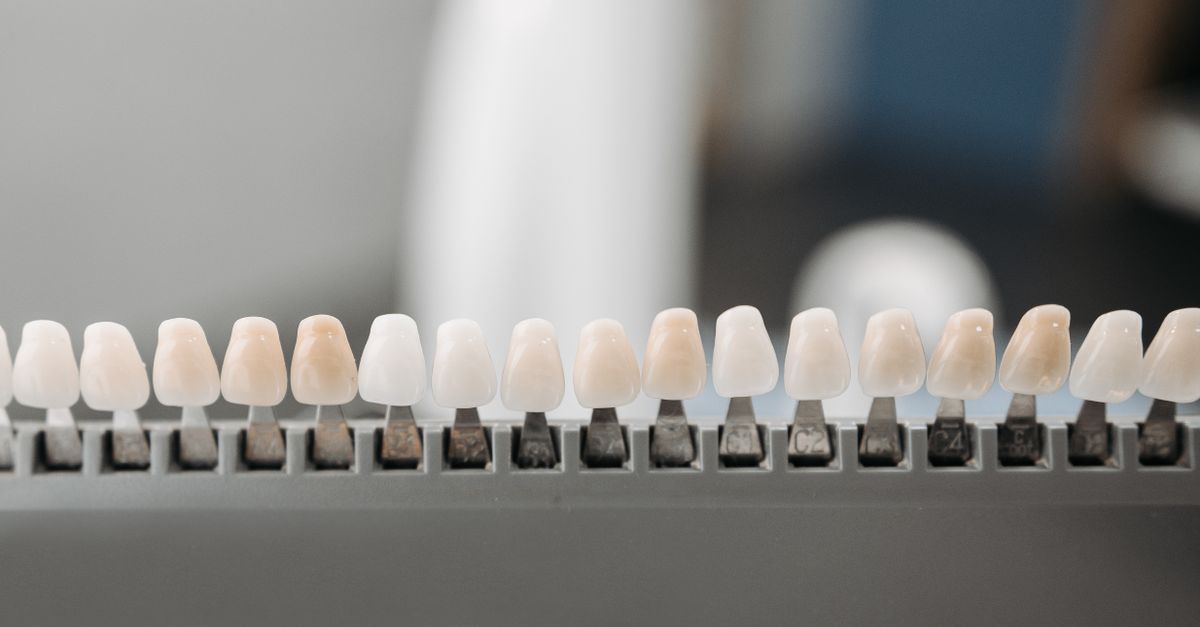
Research evaluates retention, bite force, and satisfaction in implant overdentures.
A recent study published in Cureus has delved into the performance of various attachment systems used in implant-retained overdentures, focusing on retention, maximum bite force, and patient satisfaction. These factors are critical in determining the effectiveness and comfort of dental prosthetics for patients requiring such solutions.
Comparative Analysis of Attachment Systems
The study conducted an in vivo assessment of different attachment systems, which are integral to the functionality of implant-retained overdentures. These systems play a significant role in ensuring that the dentures stay securely in place while also allowing for adequate bite force, which is crucial for efficient mastication.
The researchers evaluated multiple attachment designs, analyzing their ability to provide stable retention and support the natural biting function. The study aimed to identify which systems offered the best balance of these factors, ultimately enhancing patient satisfaction.
Patient Satisfaction and Clinical Outcomes
Patient satisfaction was a key metric in the study, as it directly correlates with the success of denture treatments. The findings revealed notable differences in patient experiences based on the type of attachment system used. Factors such as ease of use, comfort, and overall satisfaction were assessed through patient feedback, providing valuable insights into the practical implications of each system.
Additionally, the study measured the maximum bite force achievable with each attachment type. This is an important consideration for patients, as it affects their ability to chew and enjoy a wide variety of foods.
Implications for Dental Practice
The outcomes of this research have significant implications for dental practitioners. By understanding the comparative benefits of different attachment systems, dentists can make more informed decisions when recommending treatment options to their patients. This could lead to improved clinical outcomes and enhanced patient satisfaction.
Overall, the study underscores the importance of selecting the appropriate attachment system for implant-retained overdentures. As dental technology continues to evolve, such research is invaluable in guiding evidence-based practice and optimizing patient care.