
Study Analyzes Uropathogen Resistance at North Indian Hospital
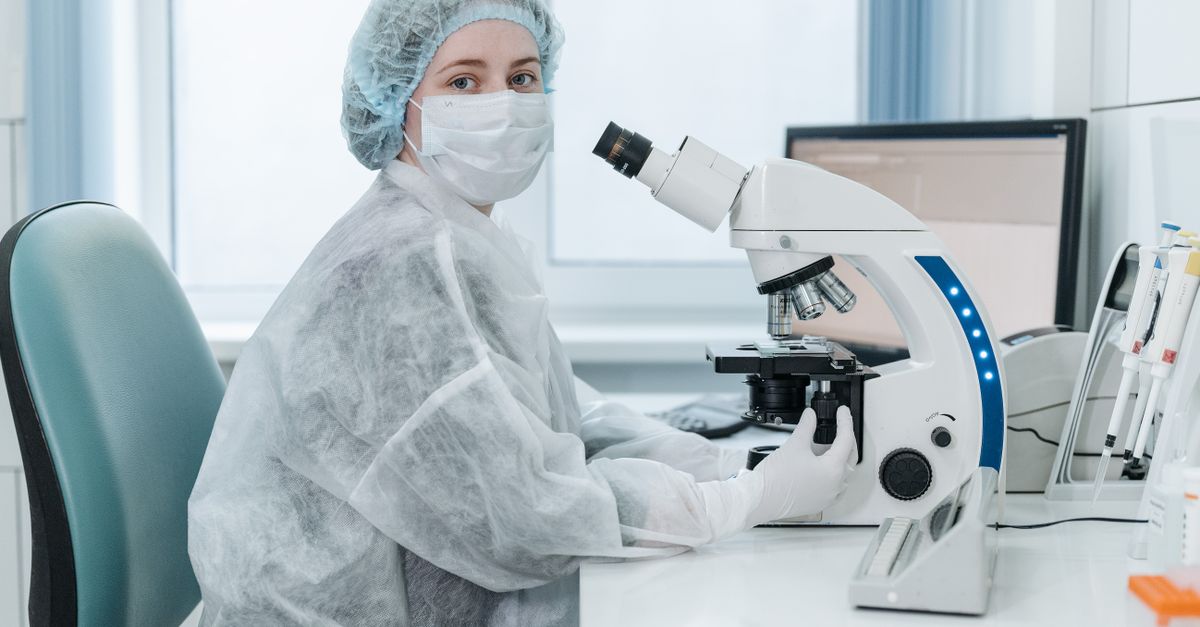
A North Indian hospital study highlights rising antimicrobial resistance in urinary tract infections.
A recent retrospective study conducted at a tertiary care hospital in North India has shed light on the bacteriological profile and antimicrobial resistance patterns of uropathogens. This research, published on medRxiv, provides critical insights into the growing challenge of antimicrobial resistance in the region.
Uropathogens and Their Resistance Patterns
The study examined data from patients diagnosed with urinary tract infections (UTIs) over a specified period. It identified the predominant bacterial strains responsible for these infections and assessed their susceptibility to various antibiotics. Escherichia coli emerged as the most common uropathogen, consistent with global trends.
Researchers observed a troubling increase in resistance among these pathogens to commonly used antibiotics. This includes a significant resistance to fluoroquinolones and third-generation cephalosporins, which are frequently prescribed for UTIs. The findings underscore the need for regular surveillance and updated treatment guidelines to combat this issue effectively.
Implications for Treatment and Policy
The increasing resistance patterns highlighted by the study have significant implications for both clinical practice and public health policy. Health professionals are urged to consider local resistance patterns when selecting empirical treatments for UTIs to ensure efficacy and reduce the risk of treatment failures.
Moreover, the study calls for enhanced stewardship programs that promote the judicious use of antibiotics. Such programs can help mitigate the spread of resistant strains and preserve the effectiveness of existing drugs. Policymakers are encouraged to invest in research and development of new antimicrobial agents to address the looming threat of multidrug-resistant organisms.
Future Research Directions
While the study provides valuable data on the current state of uropathogen resistance, it also highlights the need for further research. Future studies could focus on identifying the genetic mechanisms behind resistance in these pathogens, which could inform the development of targeted therapies.
Additionally, there is a call for larger, multi-center studies to gain a more comprehensive understanding of resistance patterns across different regions. Collaborative efforts between hospitals and research institutions could lead to more effective strategies in combating antimicrobial resistance on a broader scale.