
How Social Media and Online Reviews Shape Doctor Reputation Today
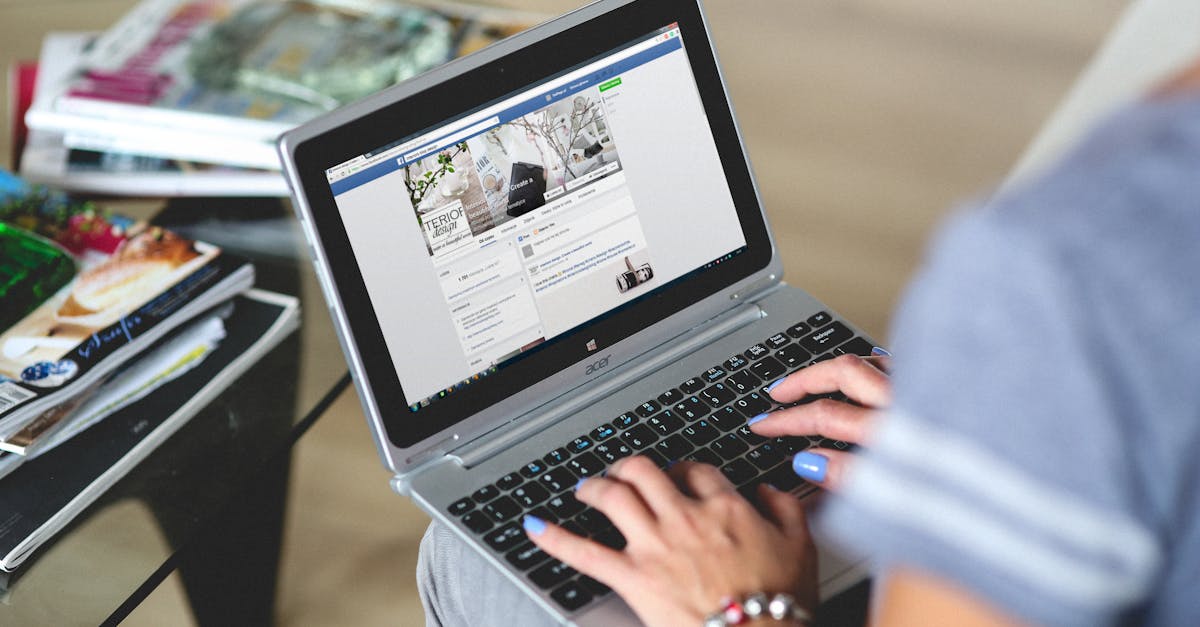
Doctor reputation extends beyond the clinic, shaped by online reviews and social media presence.
Gone are the days when a doctor's reputation was confined to the walls of their clinic, built solely on patient referrals and word-of-mouth within local communities. Today, a physician's reputation is just as likely to be shaped by online reviews and their digital presence as it is by their bedside manner and clinical outcomes. This shift reflects a broader transformation in how patients seek and evaluate medical care, driven largely by the ubiquity of social media and the internet.
The Role of Online Reviews
Websites like Healthgrades, Vitals, and RateMDs have become indispensable tools for patients researching potential healthcare providers. A 2021 study by Software Advice found that 71% of patients consider reviews on such platforms when choosing a new doctor. These reviews, often accompanied by star ratings, provide a snapshot of a physician's perceived competency and bedside manner. While these platforms offer valuable patient insights, they also pose challenges. Negative reviews, sometimes based on factors beyond a doctor's control, can disproportionately impact a physician's overall rating, affecting their ability to attract new patients.
Social Media: A Double-Edged Sword
Social media platforms like Facebook, Instagram, and Twitter allow doctors to engage with patients outside traditional settings. Physicians can share medical insights, public health information, and personal anecdotes, thereby humanizing their practice and fostering a sense of community. However, maintaining a professional yet approachable presence can be tricky. Any misstep, whether a controversial opinion or an ill-timed joke, can quickly spiral into viral notoriety, damaging a doctor's reputation.
Transparency and Trust in the Digital Age
The digital landscape demands a new level of transparency from healthcare providers. Patients now expect doctors to share more about their practice philosophies, specialties, and even personal interests online. This transparency fosters trust, a critical component of the patient-doctor relationship. However, it also requires careful navigation of privacy and professionalism. Doctors must balance openness with the need to maintain patient confidentiality and adhere to professional standards.
Adapting to the Digital Feedback Loop
Doctors today must adapt to a digital feedback loop where patient reviews and online interactions continuously influence their reputations. Some healthcare providers have embraced this new reality by actively managing their online presence, soliciting feedback, and responding to reviews. Others have hired reputation management services to curate their digital profiles. In both cases, the goal is to ensure that a physician's online persona accurately reflects their professional capabilities and values.
The Future of Doctor Reputation Management
As digital media continue to evolve, so too will the ways in which doctors manage their reputations. Emerging technologies like artificial intelligence may soon offer physicians new tools for monitoring and enhancing their online presence. However, the fundamental challenge will remain: balancing the authentic representation of one’s clinical skills and personality with the curated demands of digital platforms. As Dr. Sarah Keller, a family physician in Chicago, notes, "A doctor's reputation now requires the same care and attention as their medical practice itself." This shift underscores a future where digital literacy is as crucial for healthcare professionals as clinical expertise.