
How Smartphones Are Revolutionizing Healthcare in India
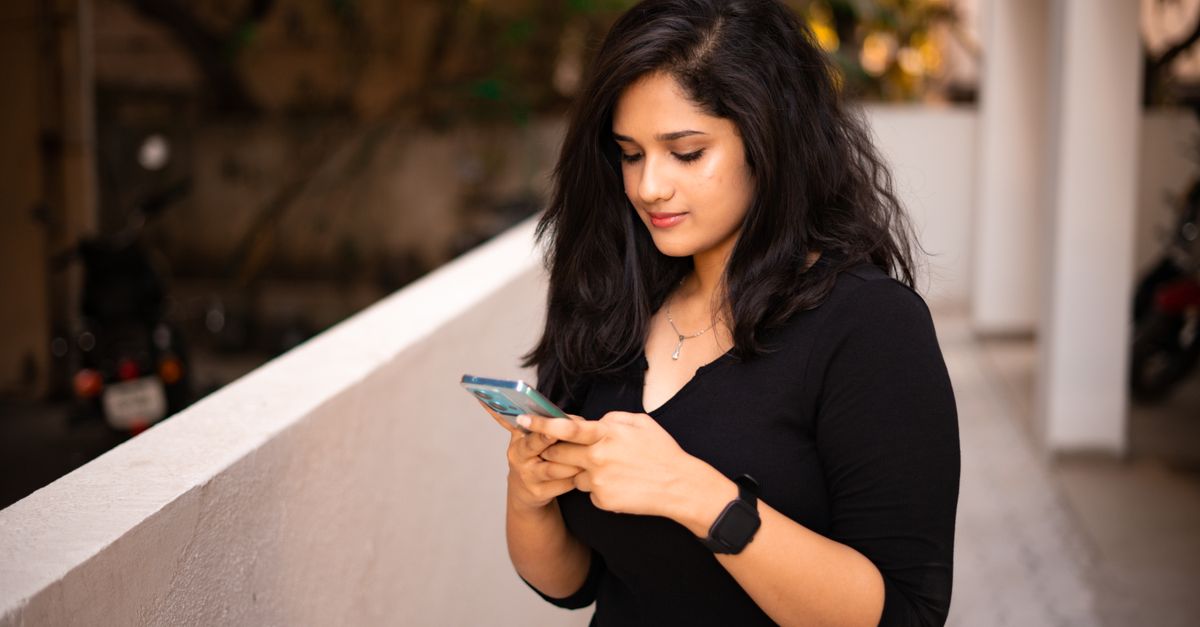
Smartphones are transforming healthcare in India, enhancing access and affordability amid the digital health wave.
The ubiquitous smartphone, once a luxury, has become a staple in India's healthcare landscape, reshaping how medical services are accessed and delivered. With the country's vast population and diverse healthcare needs, smartphones serve as a bridge, connecting remote areas to quality medical advice and services.
The Rise of Mobile Health Apps
India's burgeoning app ecosystem has capitalized on the smartphone's reach, with a plethora of mobile health applications emerging. From telemedicine platforms like Practo and 1mg to fitness tracking apps such as HealthifyMe, these applications offer everything from virtual consultations to medication delivery and personalized health management.
Telemedicine, in particular, has seen a remarkable surge. According to a report by NASSCOM, India's telemedicine market is expected to grow at a compound annual growth rate (CAGR) of 31% to reach $5.5 billion by 2025. This growth is driven by the convenience and cost-effectiveness that smartphones provide, allowing patients to consult doctors without the constraints of physical distance.
Government Initiatives and Support
The Indian government has recognized the potential of digital healthcare and is actively supporting its integration. Initiatives like the National Digital Health Mission (NDHM) aim to create a digital health ecosystem, where smartphones play a crucial role. The NDHM facilitates the creation of digital health IDs for citizens, streamlining access to medical records and services.
Moreover, the Ayushman Bharat Digital Mission, launched in 2021, underscores the government's commitment to leveraging technology for universal health coverage. This initiative aligns with the increasing smartphone penetration, which stood at 54% as of 2023, according to Statista.
Breaking Barriers to Access and Affordability
For many in India's rural and underserved areas, smartphones are not just tools for communication but gateways to essential healthcare services. The convenience of mobile platforms reduces the need for physical travel, a significant cost and logistical barrier for many.
Furthermore, the affordability of smartphones has made them accessible to a broader segment of the population. Brands like Xiaomi and Samsung offer budget-friendly models, ensuring that even those in lower-income brackets can benefit from digital health services.
Language and literacy, often barriers to healthcare access, are being addressed through apps that support multiple Indian languages and offer voice-assisted services. These features are crucial in a country with over 22 officially recognized languages and varying literacy levels.
Challenges and the Road Ahead
Despite the promising landscape, challenges remain. Data privacy and security are significant concerns, as sensitive health information is shared and stored digitally. The Indian government has proposed the Personal Data Protection Bill, aiming to establish robust data protection protocols.
Another challenge is the digital divide, where some populations, particularly in rural areas, still lack adequate internet connectivity. Addressing this will require continued investment in digital infrastructure to ensure equitable access to healthcare services.
The smartphone's role in India's healthcare system is poised for expansion, with innovation driving new opportunities. As technology evolves, the potential for augmented reality, artificial intelligence, and machine learning to enhance mobile health solutions remains vast. As Dr. R.S. Sharma, CEO of the National Health Authority, stated, "The future of healthcare lies in digital, and with smartphones in every hand, we're on the brink of a healthcare revolution."