
Smart Medical Devices Revolutionizing Patient Care in the US
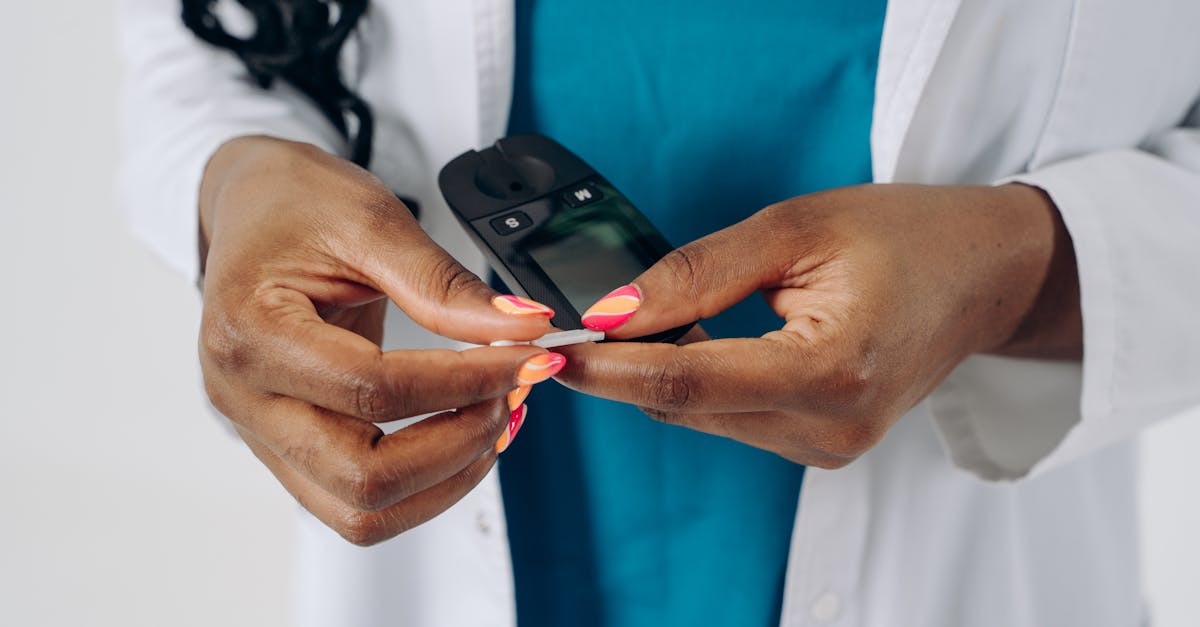
Smart medical devices are transforming patient outcomes in the US with advanced monitoring and personalized care.
The integration of smart medical devices into the US healthcare system is reshaping patient care. These devices, which include everything from wearable monitors to AI-driven diagnostic tools, are becoming indispensable in hospitals and homes alike. As technology advances, these smart devices are showing significant potential in improving patient outcomes and streamlining healthcare delivery.
Why Smart Devices Are Changing the Game
Smart medical devices offer real-time data collection and analysis, which is crucial for timely and accurate medical interventions. For example, wearable heart monitors provide continuous cardiac data, allowing healthcare providers to respond quickly to irregularities. The FDA's approval of devices like the Apple Watch for ECG monitoring underscores the regulatory recognition of their value in patient care.
The adoption of these devices is further accelerated by the Centers for Medicare and Medicaid Services (CMS), which is increasingly supporting reimbursement for remote patient monitoring. This financial backing encourages healthcare providers to integrate smart devices into their practice, offering patients enhanced care without the need for constant hospital visits.
Improving Chronic Disease Management
Chronic diseases such as diabetes and hypertension pose a significant burden on the US healthcare system. Smart devices are playing a critical role in managing these conditions more effectively. Continuous glucose monitors (CGMs) provide diabetics with real-time glucose levels, helping them make informed decisions about their insulin intake. This results in better glycemic control and fewer complications.
Similarly, smart blood pressure cuffs allow patients with hypertension to track their blood pressure at home, reducing the need for frequent doctor visits. The data collected can be shared with healthcare professionals, enabling more personalized and timely treatment adjustments.
Enhancing Preventive Care and Early Diagnosis
The early detection of diseases is a cornerstone of preventive care, and smart devices are proving invaluable in this area. AI-powered diagnostic tools are now capable of identifying early signs of conditions like diabetic retinopathy and certain cancers. These tools analyze vast amounts of data to detect patterns that might be missed during routine examinations.
Moreover, the use of smart devices in preventive care is supported by initiatives from the Centers for Disease Control and Prevention (CDC) and the National Institutes of Health (NIH), which advocate for technology-driven approaches to reduce disease prevalence and improve public health outcomes.
Challenges and Considerations
Despite their benefits, the widespread adoption of smart medical devices faces several challenges. Privacy and data security are significant concerns, as these devices often collect sensitive health information. Ensuring compliance with the Health Insurance Portability and Accountability Act (HIPAA) is critical to protecting patient data.
Additionally, healthcare providers must be adequately trained to interpret the data generated by these devices. This necessitates ongoing education and collaboration between technology developers and medical professionals to ensure that the data is used effectively.
The Future of Smart Medical Devices in Healthcare
As smart medical devices continue to evolve, their role in healthcare will likely expand. Future developments may include more advanced AI algorithms for diagnostics, improved integration with electronic health records, and broader accessibility for underserved populations.
The potential for these devices to transform healthcare is immense. By enhancing the ability of providers to deliver precise, timely, and personalized care, smart medical devices are setting a new standard for patient outcomes in the US. As the healthcare landscape adapts, these innovations will continue to drive improvements in patient care, making them a cornerstone of modern medicine.