
Smart Insulin Delivery Systems Transform Diabetes Care
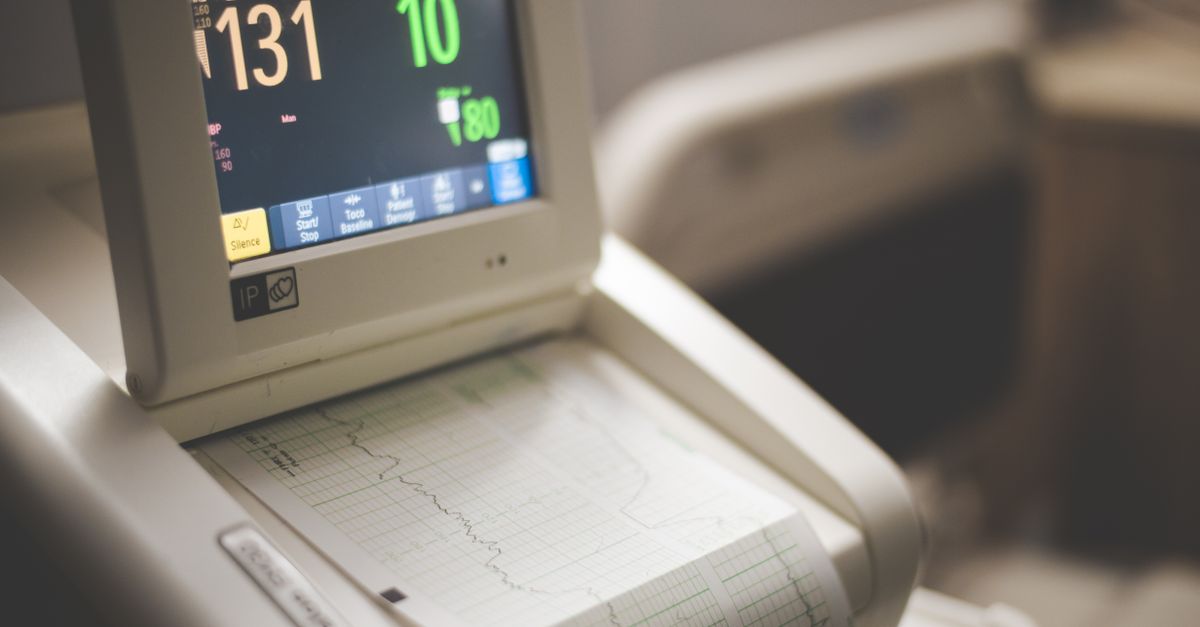
Smart insulin delivery systems offer precise control and independence for diabetes patients, revolutionizing treatment.
Diabetes management has long been a delicate balancing act, requiring meticulous attention to diet, exercise, and medication. However, smart insulin delivery systems are rapidly changing the landscape, offering patients greater control and freedom in managing their condition.
How Smart Technology Enhances Insulin Delivery
Smart insulin delivery systems, including insulin pumps and pens, are equipped with advanced technology that allows for precise and automatic insulin delivery. These devices can be programmed to administer insulin doses based on real-time glucose readings, which are often obtained from continuous glucose monitors (CGMs). This integration significantly reduces the burden on patients, who previously had to manually calculate doses and administer insulin.
For instance, the Tandem Diabetes Care's t:slim X2 insulin pump, combined with Dexcom's G6 CGM, exemplifies this synergy. The system automatically adjusts insulin delivery based on glucose trends, aiming to keep blood sugar levels within a target range. This closed-loop system, often referred to as an 'artificial pancreas,' represents a significant shift towards more automated diabetes management.
Benefits for Patients and Healthcare Providers
Patients using smart insulin delivery systems often experience improved glycemic control, leading to better long-term health outcomes. A study published in the Journal of Diabetes Science and Technology in 2022 found that individuals using these systems had significantly lower HbA1c levels compared to those using traditional methods.
Moreover, these systems provide patients with greater independence and quality of life. The constant worry about glucose levels and the need for frequent finger pricks are substantially reduced. This alleviates mental stress and enhances daily living, allowing patients to focus more on their personal and professional lives.
From a healthcare provider's perspective, smart insulin delivery systems can lead to more efficient patient management. With data collected from these devices, healthcare professionals can gain insights into a patient's glucose patterns and treatment adherence, enabling more personalized care plans.
Challenges and Considerations
Despite their benefits, smart insulin delivery systems are not without challenges. One major concern is the cost, as these systems can be expensive and are not always covered by insurance. This creates a barrier to access for many patients who could benefit from the technology.
Technical issues also pose a significant challenge. Devices can malfunction or require frequent updates, and patients must be educated on how to troubleshoot these issues. Additionally, the reliance on technology raises concerns about data privacy and security, particularly as these devices transmit sensitive health information.
The Future of Diabetes Management
The future of diabetes management with smart insulin delivery systems looks promising. As technology advances, we can expect even more sophisticated systems that offer enhanced accuracy and user-friendliness. Companies like Medtronic, Insulet, and Abbott are continually innovating, aiming to create devices that are smaller, more affordable, and more efficient.
Furthermore, increased integration with smartphone applications and other digital health tools could provide patients with a comprehensive view of their health, facilitating better decision-making. As artificial intelligence continues to evolve, it may play a crucial role in predicting glucose trends and customizing insulin delivery even further.
Smart insulin delivery systems represent a significant leap forward in diabetes care, offering hope for a future where managing diabetes is less of a burden and more of a seamless part of life.