
Smart Endoscopic Technologies: A New Era in Minimally Invasive Surgery
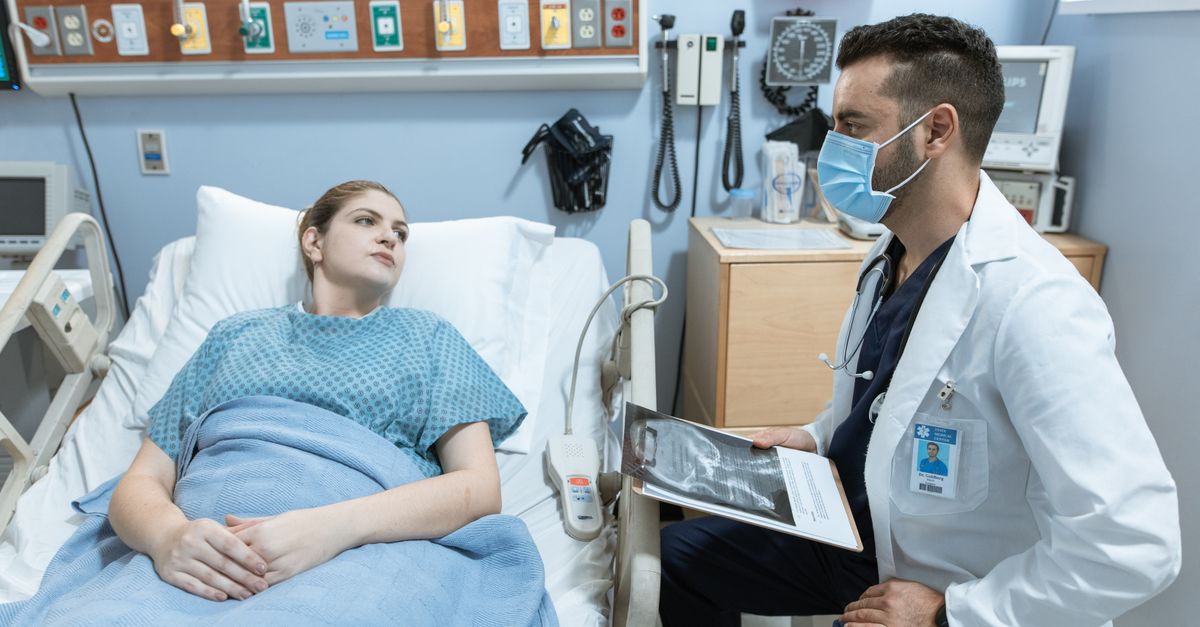
Smart endoscopic technologies are transforming minimally invasive surgery, enhancing precision and outcomes.
In recent years, the field of endoscopy has undergone a remarkable transformation, primarily driven by the integration of smart technologies. These advancements are reshaping how minimally invasive surgeries are conducted, offering unprecedented precision, efficiency, and patient outcomes. As the healthcare industry continues to embrace digital innovations, smart endoscopic technologies are poised to take center stage.
How Smart Technologies Are Revolutionizing Endoscopy
The advent of smart technologies in endoscopy marks a significant departure from traditional practices. Traditionally, endoscopic procedures relied heavily on the manual skills of surgeons, with limited assistance from technological tools. However, the introduction of artificial intelligence (AI), machine learning, and advanced imaging systems has transformed endoscopic procedures.
AI and machine learning algorithms are now able to analyze vast amounts of data in real time, providing surgeons with critical insights during procedures. This includes identifying tissues, detecting anomalies, and even predicting surgical complications. These capabilities enhance the precision of surgical interventions, minimizing the risk of human error and improving patient outcomes.
The Role of Advanced Imaging Systems
One of the most significant contributions of smart technologies to endoscopy is the development of advanced imaging systems. High-definition cameras and 3D imaging offer surgeons a clearer, more detailed view of the surgical field. This enhanced visibility allows for more accurate diagnoses and precise surgical actions.
Furthermore, augmented reality (AR) systems are being integrated into endoscopic procedures, overlaying digital information onto the surgical field. This not only helps in guiding the surgeon but also in educating medical students and residents by providing a comprehensive understanding of the anatomy and procedural intricacies.
Enhanced Patient Safety and Outcomes
The integration of smart technologies in endoscopy has led to significant improvements in patient safety and outcomes. With the ability to detect issues earlier and more accurately, complications can be anticipated and managed more effectively. The precision of these technologies reduces the likelihood of inadvertent damage to tissues, thereby lowering the risk of post-operative complications.
Moreover, smart endoscopic tools allow for shorter recovery times. Procedures that once required extensive incisions and long hospital stays can now be performed with minimal invasion, leading to quicker discharges and faster patient recovery. This not only benefits patients but also reduces the burden on healthcare systems, allowing for more efficient use of resources.
Challenges and Future Directions
Despite the promising advancements, the adoption of smart endoscopic technologies is not without challenges. The high cost of these technologies can be a significant barrier for many healthcare institutions, particularly in low-resource settings. Additionally, there is a steep learning curve associated with the integration of AI and machine learning tools in surgical practice, necessitating comprehensive training programs for healthcare professionals.
Looking forward, the focus will likely be on making these technologies more accessible and affordable. Continued innovation in AI and machine learning is expected to further refine the capabilities of smart endoscopic tools, making them even more integral to surgical practices worldwide. As these technologies become more widespread, they hold the potential to transform surgical education, offering new training methodologies and enhancing the skills of future generations of surgeons.
Smart endoscopic technologies are not just the future but the present of minimally invasive surgery. Their ability to enhance precision, improve patient outcomes, and transform surgical practices underscores their importance in modern medicine. As these technologies continue to evolve, they promise to redefine what is possible in the operating room.