
Shifting Fertility Patterns: Understanding India's Demographic Changes
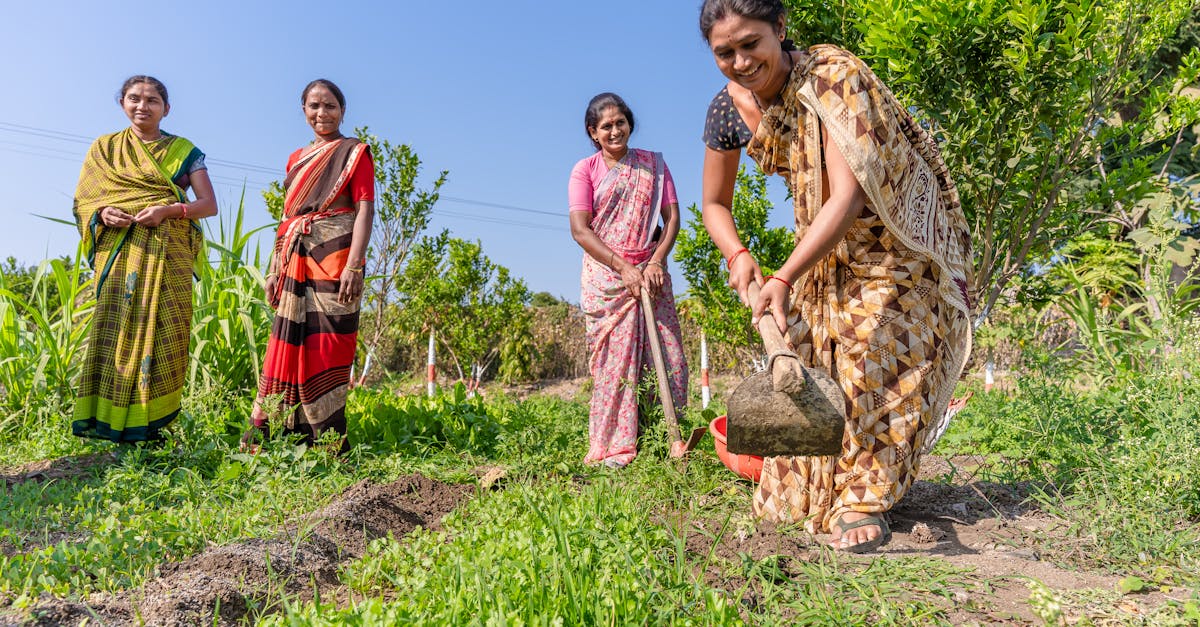
India's fertility trends are evolving rapidly, impacting economic and social landscapes. Explore the factors driving this demographic transition.
India, long characterized by its burgeoning population, is witnessing a notable shift in fertility trends. The country's fertility rate has been on a downward trajectory, with significant implications for its demographic, economic, and social fabric. As of 2021, the total fertility rate in India dropped to 2.0 births per woman, reaching below the replacement level of 2.1 for the first time. This shift is reshaping the dynamics of Indian society and prompting a re-evaluation of policies and priorities.
Why Fertility Rates Are Declining
The decline in fertility rates in India can be attributed to several factors. One of the primary drivers is the increased access to education, particularly among women. As literacy rates rise, women are more likely to delay marriage and childbirth, opting instead to pursue careers and personal development. The National Family Health Survey (NFHS) data indicates a strong correlation between women's education levels and fertility rates.
Urbanization also plays a crucial role. As more Indians migrate to cities in search of better job opportunities, the lifestyle changes associated with urban living contribute to lower fertility rates. Urban areas typically offer better access to healthcare, family planning resources, and employment opportunities, all of which encourage smaller family sizes.
Economic Implications of Fertility Changes
The economic implications of declining fertility rates are profound. A lower fertility rate can lead to an aging population, which poses challenges for a nation traditionally reliant on a young workforce. As the demographic dividend that has fueled India's growth begins to wane, there is a pressing need to invest in healthcare, pensions, and social security systems to support an aging population.
Conversely, a smaller, better-educated workforce could lead to increased productivity and economic growth. With fewer dependents to support, families can invest more in each child's education and well-being, potentially leading to a more skilled and competitive workforce.
Social and Cultural Shifts Behind the Trends
Social norms in India are evolving alongside fertility trends. Traditional preferences for larger families are giving way to a desire for nuclear families. This shift is partly driven by changing aspirations and the rising cost of living in urban areas. Families face greater financial pressures, leading many to opt for fewer children to maintain a higher standard of living.
Cultural shifts are also evident in the changing attitudes towards gender roles. As more women enter the workforce and attain higher education levels, the traditional roles of women as primary caregivers are being redefined. This transformation is contributing to delayed marriage and childbirth, further influencing fertility rates.
Policy Responses and Challenges Ahead
The Indian government faces the challenge of balancing these shifting demographics with sustainable development. Policymakers must address the dual issues of supporting an aging population while also fostering opportunities for the younger generation. Initiatives such as improving healthcare infrastructure, ensuring gender equality in education and employment, and providing family planning services are critical.
Moreover, it is imperative for the government to create policies that support working parents, such as maternity and paternity leave, affordable childcare, and flexible work arrangements. By doing so, India can better manage the transition towards lower fertility rates without compromising economic growth or social welfare.
As India navigates these demographic shifts, the focus must remain on creating a balanced and inclusive society. The ongoing changes in fertility trends offer an opportunity to redefine priorities and invest in a future that is both sustainable and equitable.