
Sharp Decline in Birth, Death, and Fertility Rates Across India
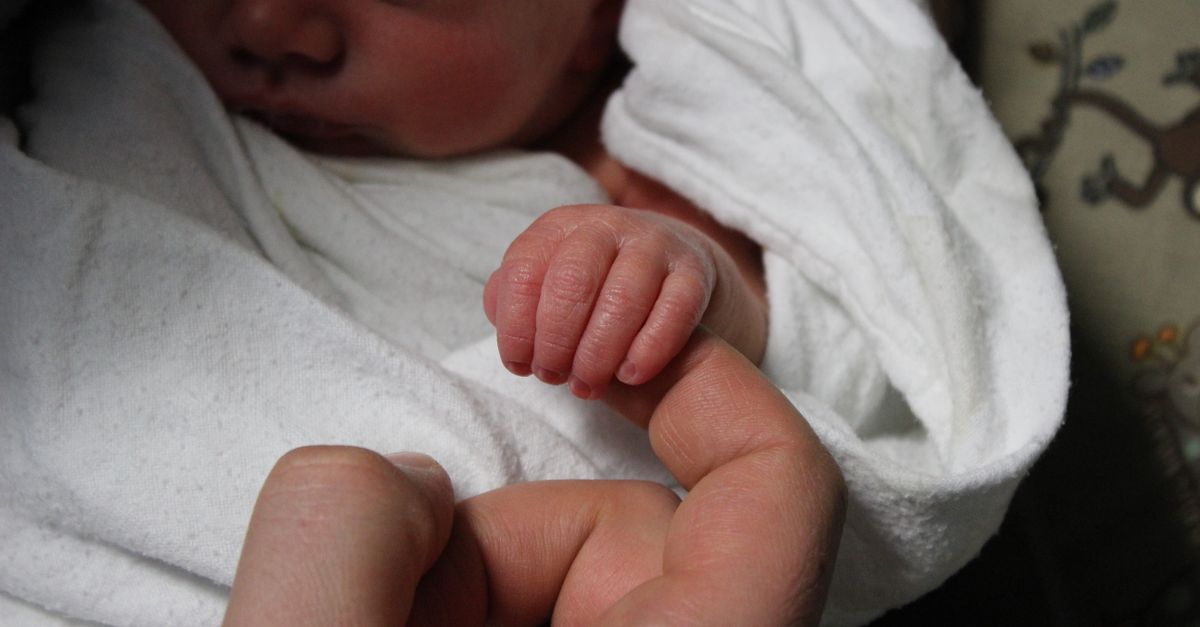
India sees a significant drop in birth, death, and fertility rates, raising concerns about demographic shifts.
Recent data reveals a significant decline in the birth, death, and fertility rates across India, highlighting potential demographic challenges for the nation. The report, which has drawn attention from various sectors, indicates a shift that could impact economic and social planning.
Key Findings of the Report
The report underscores a marked decrease in birth rates, attributing this trend to various factors including increased access to family planning resources and changes in societal norms. The fertility rate, which measures the average number of children born to a woman over her lifetime, has also seen a notable decline. This shift suggests a transition towards smaller family units, particularly in urban areas where education and career opportunities for women have improved.
Meanwhile, death rates have also dropped, a positive indicator of advancements in healthcare and living standards. Improved medical facilities, better disease management, and higher awareness of health issues are contributing to longer life expectancies, which further complicates the demographic landscape with an aging population.
Implications for Economic and Social Planning
The declining birth and fertility rates pose unique challenges for policymakers. With fewer young people entering the workforce, India may face labor shortages in the coming decades, affecting its economic growth trajectory. Additionally, a rapidly aging population could strain social services and healthcare systems, necessitating reforms to accommodate the shifting needs.
Experts suggest that India must adapt its economic policies to account for these demographic changes. This includes investing in automation and technology to offset potential labor shortages and expanding healthcare infrastructure to support an aging populace. Education systems may also need to evolve, focusing on skills that align with future labor market demands.
Regional Variations and Future Outlook
Interestingly, the report highlights regional variations in these demographic trends. Southern states, which have historically led in education and health indicators, show sharper declines in fertility rates compared to northern regions. This regional disparity underscores the need for tailored policy approaches that address specific local challenges.
Looking ahead, the continued decline in birth and fertility rates could reshape India's demographic profile significantly. While some view this as an opportunity to enhance living standards and reduce resource strain, others caution about the socio-economic impacts of an aging society. Policymakers are urged to consider these factors in their long-term planning to ensure sustainable development.