
Sen. Gillibrand Pushes Congressional Focus on Menopause
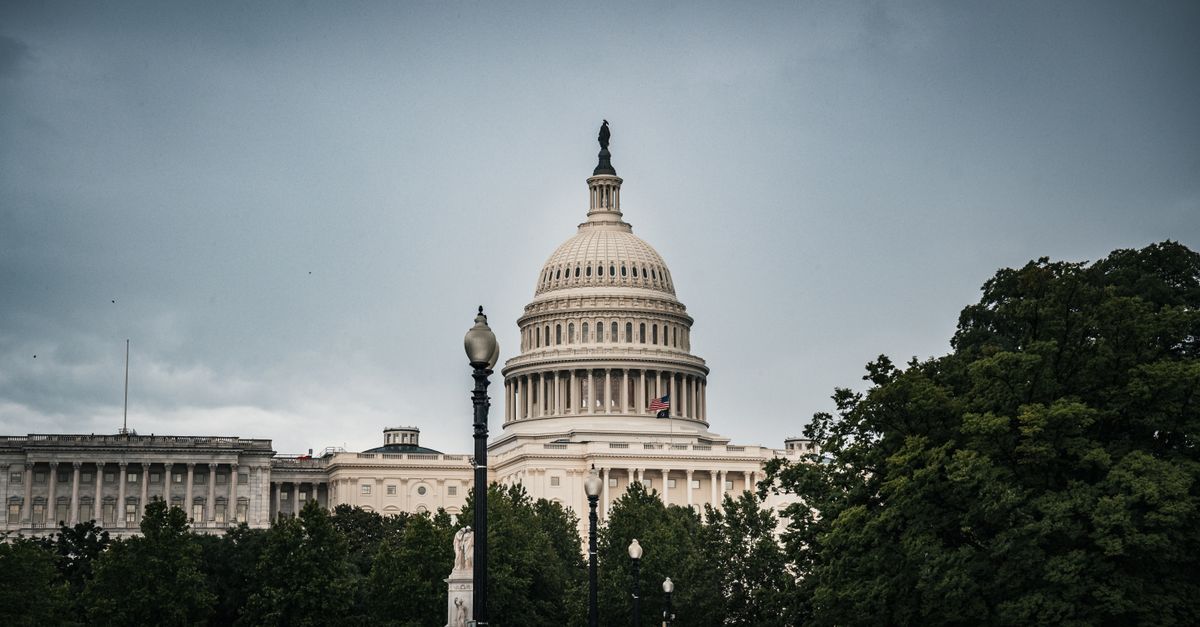
Senator Gillibrand urges Congress to prioritize menopause research amidst midterm election fervor.
As the midterm elections capture the nation’s attention, Senator Kirsten Gillibrand of New York is steering the spotlight towards a health issue that affects millions of women: menopause. This week, Gillibrand is convening a congressional hearing aimed at addressing the lack of understanding and funding for menopause research, a topic she believes has been neglected for too long.
Highlighting a Neglected Health Issue
Gillibrand argues that despite its impact on women's health, menopause remains largely misunderstood and overlooked in federal research initiatives. The senator emphasizes that millions of women experience menopause, yet there is a significant gap in both public awareness and scientific study. She aims to change this by pushing for increased research funding and public education.
"Menopause is a natural part of aging that affects half the population, yet it remains shrouded in stigma and misinformation," Gillibrand stated. "It’s time for Congress to recognize the importance of this issue and allocate resources appropriately."
The State of Menopause Research
Currently, menopause research receives a fraction of the funding compared to other women's health issues, such as breast cancer. Advocates point out that this lack of investment contributes to a dearth of effective treatments and support for women going through this life stage. According to recent studies, symptoms like hot flashes, mood swings, and sleep disturbances can significantly affect quality of life and work productivity.
Gillibrand plans to use the hearing to engage experts and women who have experienced menopause firsthand. Her goal is to build a comprehensive understanding of the challenges faced by menopausal women and to develop strategies for better support and care.
Political Timing and Implications
The timing of Gillibrand’s initiative is notable, as it coincides with the fervor of midterm elections. While the political climate is charged, the senator believes that addressing menopause can transcend partisan divides. By focusing on a health issue that affects a significant portion of the electorate, Gillibrand hopes to garner bipartisan support for increased funding and awareness.
"This is not just a women’s issue; it’s a family issue, an economic issue, and a public health issue," she said. "By bringing menopause into the national conversation, we can improve lives and strengthen communities."
As the hearing approaches, Gillibrand remains optimistic about the potential for meaningful legislative action. She is calling on her colleagues to prioritize menopause research and to take steps towards removing the stigma and silence that often surround the topic.