
Self-Testing in India: A New Era for Home Diagnostics
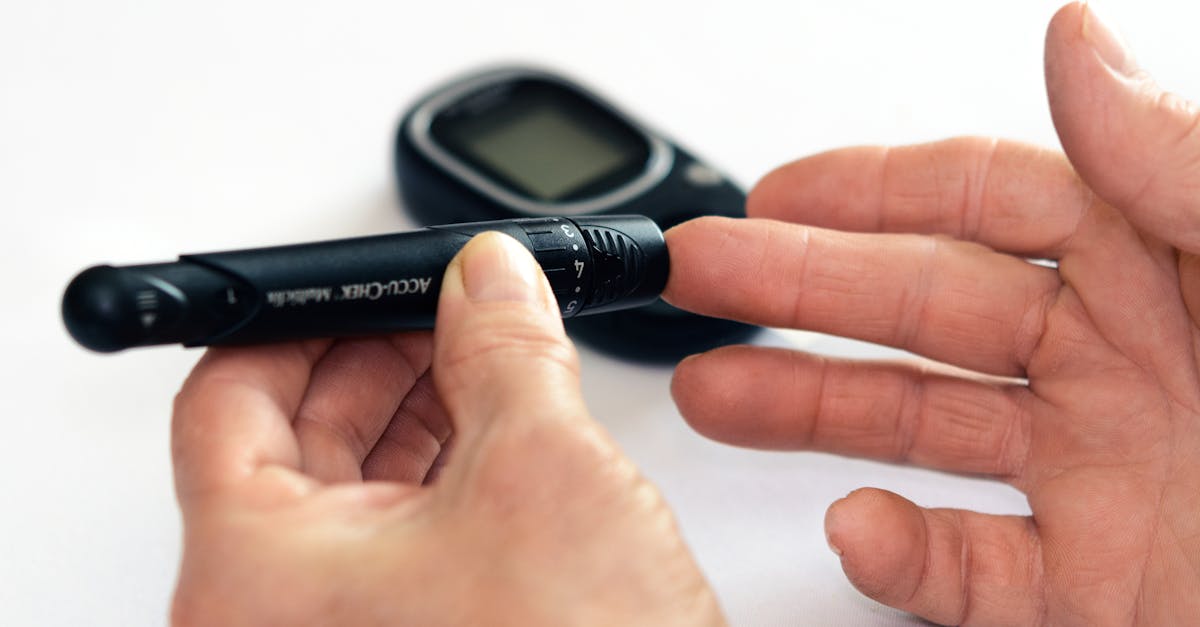
Advancements in home diagnostics are transforming healthcare access in India, offering unprecedented convenience and affordability.
In the bustling city of Mumbai, a young professional checks her blood glucose levels before breakfast without visiting a clinic. Across the country in a rural village, a school teacher uses an at-home kit to test for common infections. Such scenes are becoming commonplace as India embraces a new era of home diagnostics and self-testing, driven by technological advancements and a growing demand for accessible healthcare.
Why Home Diagnostics Are Gaining Traction
The rise of home diagnostics in India is fueled by several factors, primarily the need for convenience and the reduction of healthcare costs. Traditional healthcare models often involve time-consuming visits to clinics and diagnostic centers, which can be particularly challenging in rural areas where access to healthcare facilities is limited. Home testing kits offer a practical solution, allowing individuals to monitor their health regularly without the logistical and financial burden of frequent clinic visits.
Moreover, the COVID-19 pandemic has accelerated the adoption of self-testing. Fear of exposure and lockdown restrictions resulted in a surge of interest in personal health management. Companies responded swiftly, developing user-friendly diagnostic kits that could be administered at home, covering a range of tests from COVID-19 to cholesterol and blood sugar.
Technological Advancements Leading the Way
Key technological advancements are at the heart of this transformation. Companies like TataMD and Mylab have spearheaded the development of sophisticated, yet affordable testing kits. These kits often integrate smartphone apps that guide users through the testing process and offer digital results interpretation, making them accessible even to those with minimal medical knowledge.
Additionally, the widespread penetration of smartphones and internet connectivity in India has made it feasible to distribute these technologies across diverse demographics. The government's Digital India initiative plays a crucial role here, providing the necessary infrastructure to support telemedicine and digital health records, which can be seamlessly integrated with home testing data.
The Role of Startups and Innovation
Startups in India are a driving force behind the innovation in home diagnostics. For instance, HealthCube and Practo have expanded their portfolios to include self-testing solutions that promise accuracy and reliability. These companies are not only focusing on diagnostics but are also looking at preventive healthcare, offering insights and recommendations based on test results to promote overall well-being.
Furthermore, collaborations between startups and established healthcare providers are fostering a robust ecosystem for home diagnostics. Partnerships with pharmaceutical companies ensure that these tests meet stringent quality standards, while alliances with tech firms help incorporate cutting-edge technology into user interfaces and data management systems.
Challenges and Ethical Considerations
Despite the promising outlook, the widespread adoption of home diagnostics in India faces several challenges. One significant hurdle is ensuring the accuracy and reliability of test kits. False positives or negatives can lead to misdiagnosis, causing unnecessary anxiety or neglect of serious health conditions. Regulatory bodies in India must establish strict guidelines and regular audits to maintain high standards.
Ethical considerations also come into play, especially concerning data privacy. The handling of sensitive health information requires robust data protection measures to prevent misuse. As home diagnostics become more prevalent, the need for comprehensive legislation governing data security becomes increasingly critical.
A Transformative Future
The future of home diagnostics and self-testing in India holds immense potential for transforming healthcare delivery. As technology continues to evolve and new players enter the market, these tools will likely become even more accessible and integrated into everyday life. This shift not only promises better health outcomes but also empowers individuals to take control of their health. With continued innovation and thoughtful regulation, home diagnostics could redefine the landscape of healthcare in India.