
SDH Nubra Enhances Palliative Care with Expanded Services
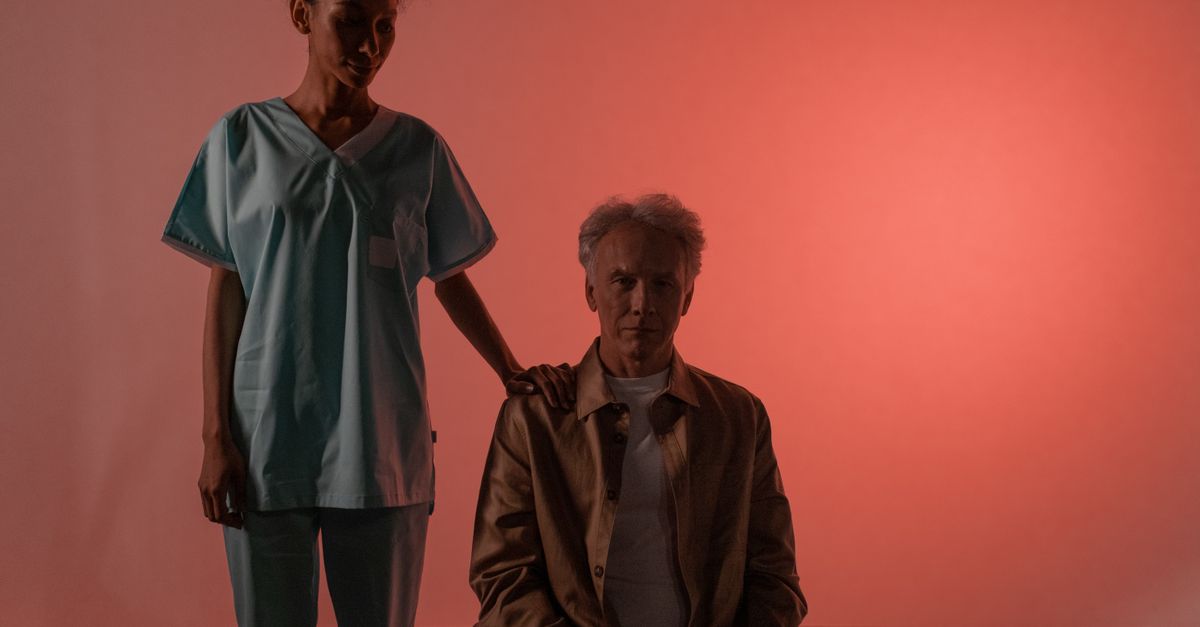
SDH Nubra in Ladakh offers comprehensive palliative care both in hospitals and at patients' homes.
The Sub-District Hospital (SDH) in Nubra, Ladakh, has launched an extensive palliative care program designed to support patients with serious illnesses. The initiative offers both hospital-based and home-based services, aiming to improve the quality of life for patients and their families.
Expanding Care Beyond Hospital Walls
SDH Nubra's approach to palliative care seeks to address the physical, emotional, and psychological needs of patients. By extending services beyond the hospital setting, the hospital ensures that patients receive consistent care in the comfort of their own homes. This model not only alleviates the burden on hospital resources but also provides a more personalized care experience for patients.
Community-Centric Approach
The program places a strong emphasis on community involvement and support. Trained healthcare professionals visit patients at home, offering medical care, counseling, and emotional support. This approach helps in building a strong rapport with patients and their families, fostering a supportive community network.
Dr. Sonam Wangchuk, a senior physician at SDH Nubra, highlighted the importance of integrating community resources into the palliative care process. “Our goal is to ensure that patients do not feel isolated during their most vulnerable times. By involving family members and community resources, we create a comprehensive support system,” he stated.
Training and Education for Caregivers
SDH Nubra also focuses on training caregivers and family members to provide basic medical care at home. Workshops and educational sessions are regularly organized to equip them with the necessary skills and knowledge. This initiative empowers families to be active participants in the care process, enhancing the overall effectiveness of the palliative care provided.
The hospital collaborates with local health organizations and community leaders to ensure that the training materials and sessions are culturally relevant and accessible to all. This collaboration is crucial in a region like Ladakh, where geographical and cultural factors can pose challenges to healthcare delivery.
Future Prospects and Challenges
While the palliative care program at SDH Nubra is a significant step forward, it faces challenges such as resource limitations and geographical barriers. However, the administration remains committed to overcoming these obstacles through strategic partnerships and efficient resource management.
The success of this program could serve as a model for other regions in India, demonstrating the potential of community-based healthcare solutions. By prioritizing patient-centered care and community involvement, SDH Nubra is setting a new standard for palliative care in Ladakh.