
Sardine Shortage Sparks Concern Beyond Gen Z's Snacking Habits
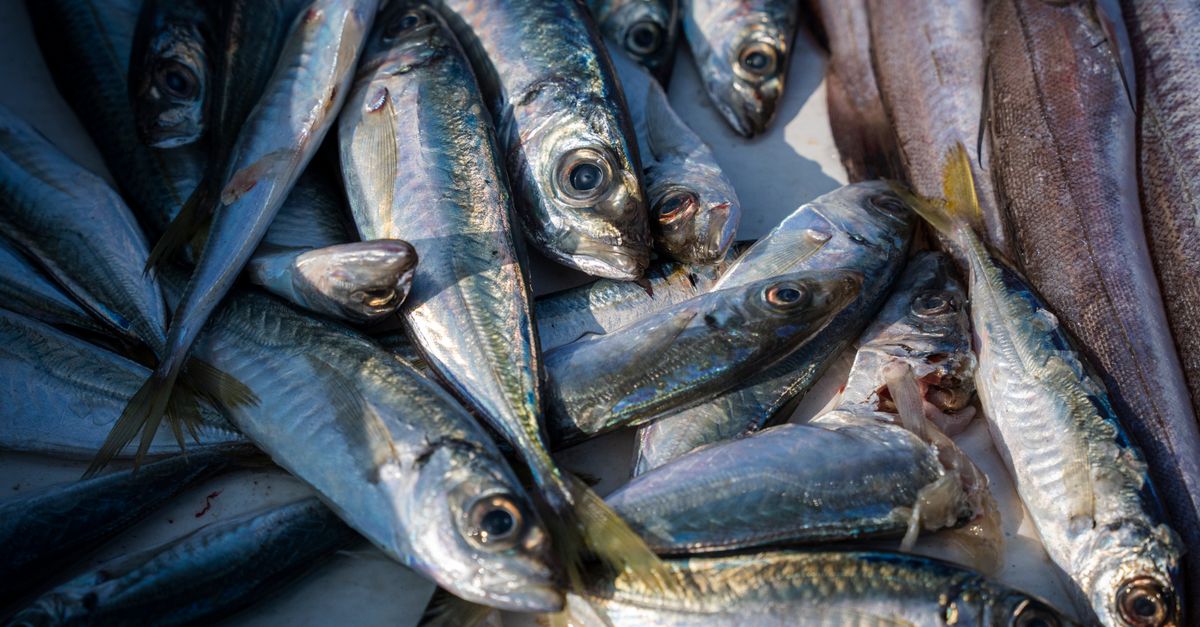
Rising demand and dwindling fish stocks fuel the current sardine shortage, not just Gen Z trends.
The sardine shortage in grocery stores is becoming increasingly noticeable, and while some point fingers at Gen Z's newfound culinary interests, the issue extends far beyond generational snacking trends. Experts highlight a combination of escalating demand and dwindling fish populations as key contributors to the scarcity of these nutrient-rich fish.
Rising Demand Meets Declining Supply
Sardines, once a staple in many households for their affordability and nutritional benefits, are now in short supply. These small fish are packed with protein, omega-3 fatty acids, vitamin B12, and essential minerals like phosphorus and selenium, making them a popular choice for health-conscious consumers. However, the surge in demand is not solely due to Gen Z's embrace of sardines as a trendy snack. The overall interest in healthy eating has spurred demand across all age groups.
At the same time, environmental factors are impacting sardine populations. Overfishing, climate change, and habitat degradation have led to a decrease in sardine numbers, putting additional pressure on the supply chain. Fisheries are struggling to keep up with the increased demand, exacerbating the shortage.
Environmental Challenges and Industry Response
Climate change has significantly altered marine ecosystems, affecting sardine reproduction and survival rates. Warmer ocean temperatures and changes in plankton availability, a primary food source for sardines, have disrupted the balance of marine life. As a result, sardine stocks have not replenished at the rates seen in previous decades.
In response, some fisheries are implementing sustainable practices to help preserve sardine populations. These efforts include setting quotas to prevent overfishing and promoting responsible fishing methods that minimize environmental impact. However, such measures take time to produce noticeable outcomes, and the immediate shortage remains a challenge for both suppliers and consumers.
Looking Forward: Adapting to a New Reality
As the sardine shortage persists, consumers and industry players alike must adapt to the changing landscape. For consumers, this might mean exploring alternative sources of similar nutrients or adjusting dietary preferences. For the fishing industry, innovation and sustainable practices are crucial to ensuring the long-term availability of sardines.
Ultimately, while Gen Z's penchant for sardines has contributed to heightened visibility of the issue, the broader context of environmental and market dynamics plays a more significant role. Addressing these challenges requires a collective effort from consumers, industry stakeholders, and policymakers to secure the future of this valuable food resource.