
San Jose Healthcare Innovation: Silicon Valley's Impact on U.S. Health
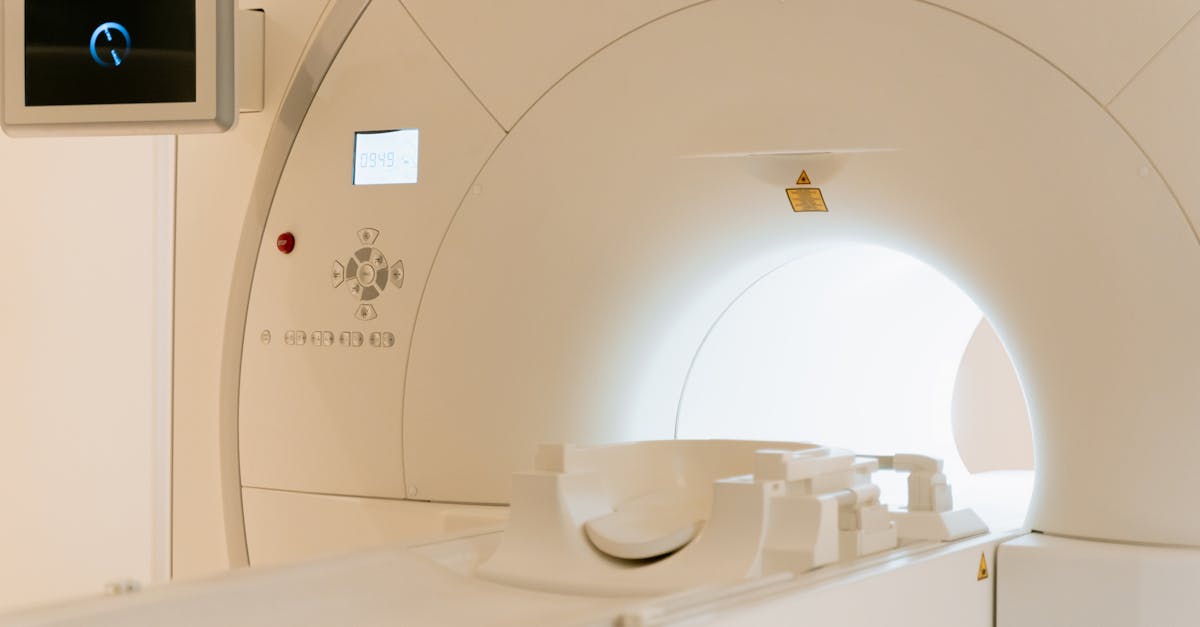
Silicon Valley is reshaping U.S. healthcare with digital health tools, biotech advances, and AI-driven diagnostics.
In the heart of Silicon Valley, San Jose is emerging as a crucible for healthcare innovation, blending technology and medicine in ways that promise to redefine patient care across the United States. This tech hub is not just about apps and devices; it is about pioneering solutions that address some of the most pressing challenges in healthcare, from accessibility to personalization.
The Digital Health Revolution
Silicon Valley's foray into digital health is not new, but the scale and impact have reached unprecedented heights. Companies like Apple and Google are investing heavily in health tech, developing wearable devices that monitor vital signs and provide real-time data to both users and healthcare providers. Apple's HealthKit and Google Fit are examples of platforms that aim to integrate seamlessly with electronic health records, a critical step in providing holistic care.
This integration is particularly significant in the U.S. healthcare landscape, where the Centers for Medicare and Medicaid Services (CMS) have been pushing for interoperability in electronic health records. By aligning with these federal initiatives, Silicon Valley companies are not just innovating but also ensuring compliance with national healthcare standards.
Biotech Ventures Taking Center Stage
Biotechnology firms in San Jose are pushing the boundaries of what is possible in medicine. Companies like Genentech and Gilead Sciences are at the forefront, developing therapies that promise to change the course of diseases like cancer and HIV. These innovations are crucial in a market where the Food and Drug Administration (FDA) plays a pivotal role in approving new treatments and ensuring their safety for public use.
Moreover, the U.S. National Institutes of Health (NIH) and other funding bodies are increasingly looking to Silicon Valley for partnerships, recognizing the region's potential to lead in genomic research and personalized medicine. The ability to tailor treatments to individual genetic profiles is not just a scientific breakthrough but a potential game-changer for healthcare costs and efficacy.
AI in Diagnostics and Patient Care
Artificial intelligence (AI) is transforming diagnostics, with companies like IBM Watson Health leveraging machine learning to aid in faster, more accurate diagnoses. This technology is particularly valuable in radiology and pathology, where AI algorithms can process images and identify anomalies with a precision that rivals human experts.
The implications for the U.S. healthcare system are profound, particularly in reducing the burden on healthcare providers and improving patient outcomes. The Centers for Disease Control and Prevention (CDC) and other public health entities are interested in how AI can be deployed to predict and manage outbreaks, which is especially relevant in light of recent global health challenges.
Startups and the Future of Healthcare
San Jose's startup ecosystem is a fertile ground for new ideas in healthcare, supported by venture capitalists who see the potential for substantial returns. Startups such as HealthTap and Doctor on Demand are revolutionizing telemedicine, making healthcare more accessible to patients who cannot easily reach traditional healthcare facilities.
These innovations align with the Affordable Care Act's (ACA) emphasis on preventive care and cost reduction. By providing remote consultations and ongoing patient monitoring, these startups are not just improving convenience but also potentially lowering healthcare costs by reducing unnecessary hospital visits.
The transformation of healthcare through technology is not just a trend but a fundamental shift in how care will be delivered in the future. As Silicon Valley continues to innovate, other regions across the United States will likely follow suit, adopting these technologies to improve patient care and streamline healthcare delivery. As one healthcare executive put it, "We're not just building the future of health in Silicon Valley; we're building it for everyone."