
How San Antonio’s Military Healthcare Shapes Civilian Care
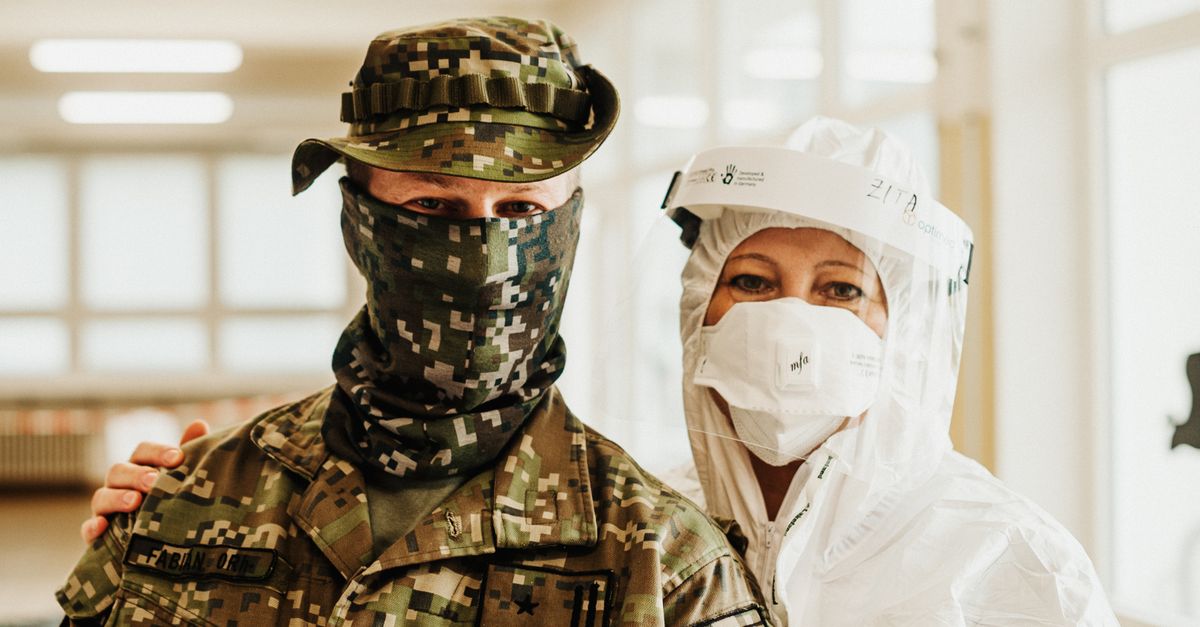
San Antonio's military healthcare infrastructure offers vital lessons for civilian systems, spotlighting integration and efficiency.
San Antonio, often known for its rich history and vibrant culture, also stands as a pivotal hub in the United States for military healthcare. This distinction comes not only from the presence of major military medical facilities but also from the ways these institutions impact civilian healthcare systems.
Military Healthcare’s Backbone in San Antonio
The city is home to the San Antonio Military Medical Center (SAMMC) at Joint Base San Antonio-Fort Sam Houston, a cornerstone of military medicine. As a Level I trauma center, SAMMC serves both military personnel and civilians, providing critical care and specialized medical services. This dual-role facility represents the Department of Defense’s commitment to maintaining robust healthcare services for military members while offering invaluable resources to the local civilian population.
Moreover, the Brooke Army Medical Center (BAMC) is another key player, operating as the only Level I trauma center in the U.S. Department of Defense. It serves as a teaching hospital, where military and civilian medical professionals train together, fostering a collaborative approach that enhances both military readiness and civilian healthcare outcomes.
Blurring the Lines: Military and Civilian Integration
The integration of military and civilian healthcare services in San Antonio offers a unique model that could inform broader U.S. healthcare strategies. By sharing resources, knowledge, and personnel, both systems can operate more efficiently. This collaboration is especially evident in trauma care, where military hospitals’ expertise in treating combat injuries translates into advanced care techniques that benefit civilian patients.
Furthermore, the cooperative relationship extends into medical research and innovation. Institutions like the Uniformed Services University of the Health Sciences partner with local universities and private sector companies to advance medical science, particularly in areas like regenerative medicine and infectious disease research. These partnerships not only enhance military medical capabilities but also accelerate the development of treatments that reach civilian applications more quickly.
Challenges and Opportunities for Civilian Systems
While the integration of military and civilian healthcare systems in San Antonio presents numerous advantages, it also highlights challenges that must be addressed. One significant issue is ensuring that the civilian sector can effectively absorb and utilize the advanced techniques and technologies developed within military settings.
The transition from a military to a civilian healthcare environment often involves navigating different regulatory landscapes. For instance, treatments and technologies that have been fast-tracked for military use may face lengthy FDA approval processes before becoming widely available to the civilian population. Streamlining this process is crucial to maximize the benefits of military medical innovations.
Additionally, funding and resource allocation must be balanced to prevent one system from becoming overly reliant on the other. Ensuring that civilian facilities can independently sustain the influx of military-derived innovations is essential for maintaining a resilient healthcare infrastructure.
San Antonio as a Model for National Policy
The success of San Antonio's military-civilian healthcare integration offers a blueprint for national policy initiatives. Policymakers can draw lessons from the city's model to improve healthcare delivery across the United States. Key strategies could include fostering similar partnerships in other regions and encouraging the sharing of best practices between military and civilian healthcare providers.
Furthermore, initiatives that promote joint training programs and shared research projects could enhance the preparedness of healthcare systems nationwide. This approach not only improves outcomes for patients but also strengthens the overall healthcare infrastructure, preparing it to face challenges such as pandemics or natural disasters.
As the U.S. healthcare system continues to evolve, the integration of military and civilian healthcare in San Antonio provides a compelling case study. It demonstrates that collaboration across different sectors can lead to more efficient, effective care for all Americans.