
Rising Threat of Dengue and Mosquito-Borne Diseases
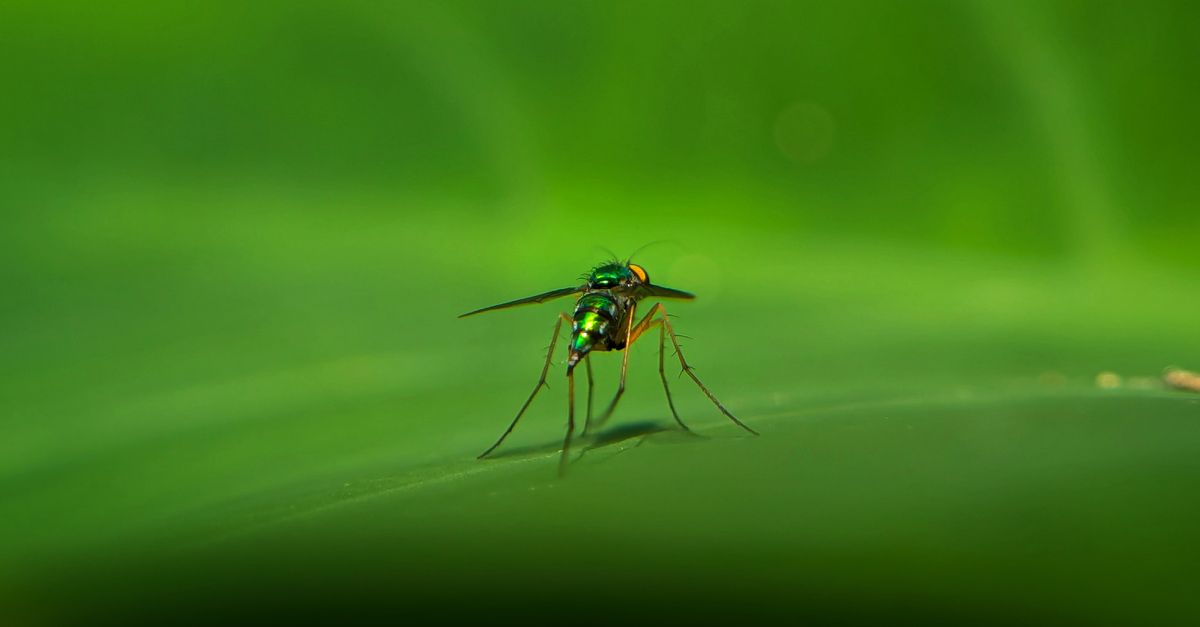
Dengue fever and other mosquito-borne diseases are escalating globally, posing a serious public health risk.
As the planet warms and urbanization accelerates, mosquito-borne diseases like dengue fever are spreading at an alarming rate. Once confined to tropical and subtropical regions, these illnesses are now making inroads into temperate zones, challenging public health systems worldwide.
Why the Spread is Accelerating
Global warming plays a significant role in the proliferation of mosquito-borne diseases. Higher temperatures and increased rainfall create ideal breeding conditions for mosquitoes, particularly the Aedes aegypti and Aedes albopictus species responsible for transmitting dengue, Zika, chikungunya, and yellow fever. According to the World Health Organization (WHO), the incidence of dengue has increased 30-fold over the last 50 years, with the disease now endemic in over 100 countries.
The Economic and Health Burden
Dengue fever places a considerable economic burden on affected regions. Healthcare systems are strained by the need to treat severe cases, which can lead to hospitalization and even death if not managed properly. The WHO estimates that dengue affects up to 400 million people annually, with around 40,000 deaths. The economic cost includes not only direct medical expenses but also lost productivity due to illness and long-term disability.
Beyond dengue, other mosquito-borne diseases are also on the rise, further complicating the public health landscape. Malaria, although primarily affecting Africa, is seeing cases in new areas due to similar climatic changes. The Zika virus, which caused significant concern in 2015-2016 due to its link to birth defects, remains a threat in many regions.
Challenges in Control and Prevention
Controlling mosquito populations is a daunting task. Traditional methods such as insecticide spraying and removing standing water sources have their limitations. Mosquitoes are becoming increasingly resistant to chemical insecticides, and urban environments often provide numerous breeding grounds that are difficult to eliminate.
Vaccination offers a promising avenue for prevention, yet there are challenges. The first dengue vaccine, Dengvaxia, has shown limited efficacy and is only recommended for individuals with a prior dengue infection. Research continues to develop more effective vaccines and treatments, but progress is slow and fraught with scientific and regulatory hurdles.
Innovative Approaches and Future Directions
In response to these challenges, innovative approaches are being explored. One promising strategy is the use of genetically modified mosquitoes to reduce populations. For example, the release of Wolbachia-infected mosquitoes, which cannot transmit viruses to humans, has shown success in trials in Australia and Brazil.
Public health education remains a cornerstone of prevention efforts. Community engagement initiatives that educate residents about mosquito breeding habits and personal protection measures are crucial. Governments and international organizations are also urged to invest in infrastructure improvements to reduce urban overcrowding and improve sanitation, which can help mitigate mosquito proliferation.
Ultimately, the fight against dengue and other mosquito-borne diseases requires a multi-faceted approach that combines scientific innovation, policy intervention, and community participation. As climate change continues to alter the geographical spread of these diseases, adaptive strategies will be essential in safeguarding global health.
"The growing threat of dengue and its mosquito-borne counterparts underscores the need for immediate and coordinated action," notes Dr. Maria Neira, director of the WHO's Department of Public Health and Environment. "We must enhance our surveillance, improve public health infrastructure, and foster collaboration across borders to effectively tackle these challenges."