
Rising Temperatures: Navigating India's Heatwave Health Crisis
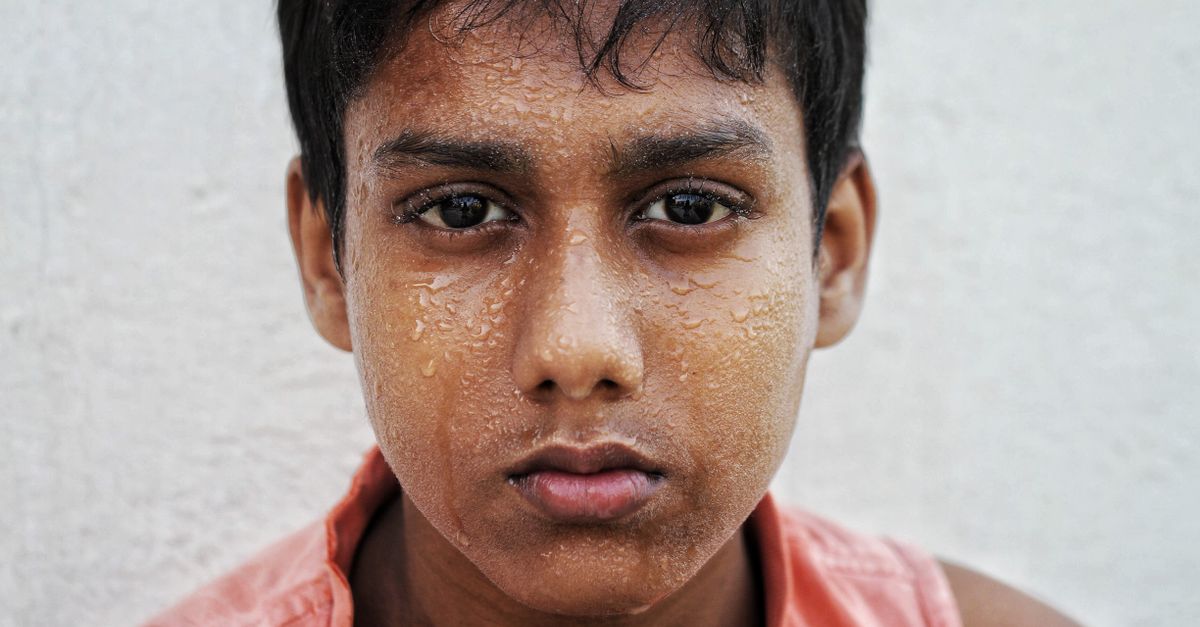
India faces escalating health risks as heatwaves intensify, demanding urgent action.
India, a nation already grappling with numerous public health challenges, finds itself increasingly vulnerable to the growing threat of heatwaves. The country's geographical diversity, ranging from arid deserts to humid coastal regions, only exacerbates the impact of rising temperatures. With heatwaves becoming more frequent and severe, the implications for public health are profound and multifaceted.
Escalating Frequency and Intensity
The frequency and intensity of heatwaves in India have surged over the past few decades. According to the India Meteorological Department, the number of heatwave days has increased from an average of 2 per year in the 1960s to over 6 in recent years. The summer of 2022 was particularly brutal, with temperatures soaring above 45°C in several regions, leading to widespread health emergencies.
Health Impacts: More Than Just Heat Stroke
While heat stroke is the most immediate health concern during heatwaves, the broader health impacts are equally alarming. High temperatures can exacerbate pre-existing cardiovascular and respiratory conditions. A study from the Indian Institute of Public Health found that hospital admissions for these conditions increase by up to 20% during heatwaves. Moreover, prolonged heat exposure can lead to dehydration, aggravate renal diseases, and increase the risk of mortality in vulnerable populations, especially the elderly and young children.
Vulnerable Populations at Greater Risk
India's dense urban areas, often referred to as 'heat islands', are particularly at risk. The concrete and asphalt absorb and re-radiate heat, making these areas significantly warmer than their rural counterparts. Urban dwellers, particularly those in informal settlements without access to air conditioning or adequate shelter, are disproportionately affected. Additionally, agricultural workers, who make up a significant portion of India’s workforce, are exposed to extreme heat during critical periods of the planting and harvesting cycles, increasing their susceptibility to heat-related illnesses.
Government and Community Responses
Recognizing the urgent need to address heatwave impacts, several Indian states have begun implementing Heat Action Plans (HAPs). These plans, developed in collaboration with local governments and international organizations, focus on raising public awareness, improving early warning systems, and increasing access to cooling centers. Ahmedabad was the first city to implement a comprehensive HAP in 2013, which has since served as a model for other regions.
Community-based initiatives are also playing a vital role. Non-governmental organizations are working at the grassroots level to educate residents about heatwave risks and preventive measures. These efforts are crucial in rural areas where government resources are often stretched thin.
Long-term Strategies and Solutions
While immediate measures are necessary to mitigate the current health impacts of heatwaves, long-term strategies are essential to address the root causes. Climate change adaptation and mitigation strategies must be prioritized. This includes improving urban planning to reduce heat island effects, increasing green cover, and promoting sustainable agricultural practices.
The government’s role is critical in implementing policies that support these initiatives. Investment in renewable energy sources and infrastructure improvements can significantly reduce the urban heat load. Additionally, integrating climate resilience into national health policies will ensure that health systems are better equipped to handle the increasing burden of heat-related illnesses.
As India braces for future heatwaves, the intersection of climate change and public health demands urgent action. The lessons learned from recent heatwaves underscore the need for a coordinated response that encompasses government action, community involvement, and long-term planning. Only through such comprehensive measures can India hope to safeguard its population against the escalating threat of heatwaves.