
The Rising Hypertension Crisis Among Indian Adults
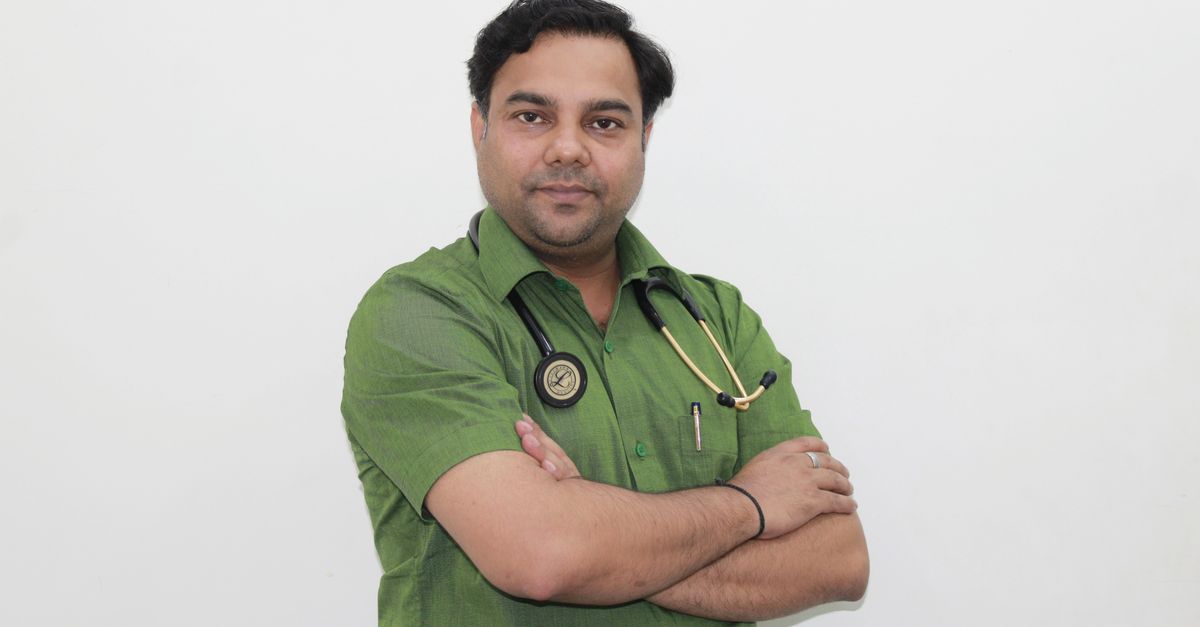
Hypertension is becoming a silent epidemic in India, affecting millions and straining healthcare.
In recent years, India has witnessed a troubling surge in hypertension cases among its adult population. Often dubbed the 'silent killer,' hypertension is quietly becoming a significant public health challenge, with far-reaching implications for individuals and the healthcare system.
Understanding the Scope of the Problem
As of 2023, studies indicate that approximately 30% of Indian adults suffer from hypertension, a condition characterized by persistently elevated blood pressure levels. This figure represents a stark increase from previous decades, drawing attention to the urgent need for intervention. According to the Indian Council of Medical Research (ICMR), this trend is particularly concerning as it could lead to a higher incidence of cardiovascular diseases, strokes, and kidney failures.
The World Health Organization (WHO) highlights that hypertension contributes to over one million deaths annually in India. This staggering statistic underscores the severity of the crisis and the need for comprehensive strategies to manage and mitigate its impact.
Factors Contributing to the Surge
Several factors are contributing to the growing prevalence of hypertension among Indian adults. Urbanization and lifestyle changes have led to increased consumption of processed foods, higher salt intake, and sedentary habits. Moreover, stress levels have escalated due to fast-paced urban living and competitive work environments. These lifestyle changes, coupled with genetic predispositions, have created a fertile ground for hypertension to thrive.
Additionally, the lack of awareness and insufficient healthcare infrastructure in rural areas exacerbate the problem. Many individuals remain undiagnosed or do not receive adequate treatment, further complicating the situation. The National Health Profile 2022 revealed that a significant portion of the population remains unaware of their hypertensive status, highlighting the need for improved screening and education initiatives.
The Economic Implications
The economic burden of hypertension in India is substantial. The healthcare costs associated with managing hypertension and its complications are straining both individual finances and national resources. According to a report by the Public Health Foundation of India, the direct and indirect costs of hypertension-related healthcare could potentially cripple the economy if not addressed promptly.
Besides direct medical expenses, the condition also impacts productivity. Individuals suffering from hypertension often experience reduced work efficiency, leading to economic losses for employers and the broader economy. This dual impact on health and economic productivity makes hypertension a critical issue that demands urgent attention from policymakers and healthcare providers alike.
Efforts to Combat Hypertension
Recognizing the threat posed by hypertension, the Indian government and various health organizations have initiated programs aimed at tackling the issue. The National Programme for Prevention and Control of Cancer, Diabetes, Cardiovascular Diseases, and Stroke (NPCDCS) is one such initiative that focuses on early detection and management of hypertension.
Public health campaigns emphasizing lifestyle modifications, such as reducing salt intake, promoting physical activity, and encouraging regular health check-ups, are crucial components of these efforts. Furthermore, the integration of technology in healthcare, such as mobile health apps and telemedicine, has the potential to enhance access to care and improve patient outcomes.
What Lies Ahead
The path forward requires a multi-faceted approach. Increased investment in healthcare infrastructure, particularly in rural areas, is essential to ensure comprehensive coverage and management of hypertension. Additionally, fostering collaborations between governmental bodies, healthcare providers, and community organizations can amplify the impact of ongoing initiatives.
The growing burden of hypertension among Indian adults is a call to action. Only through concerted efforts can we hope to curb this silent epidemic and improve the health and quality of life for millions across the nation.