
Rising H1N1 Cases: Key Symptoms Diabetics Must Monitor
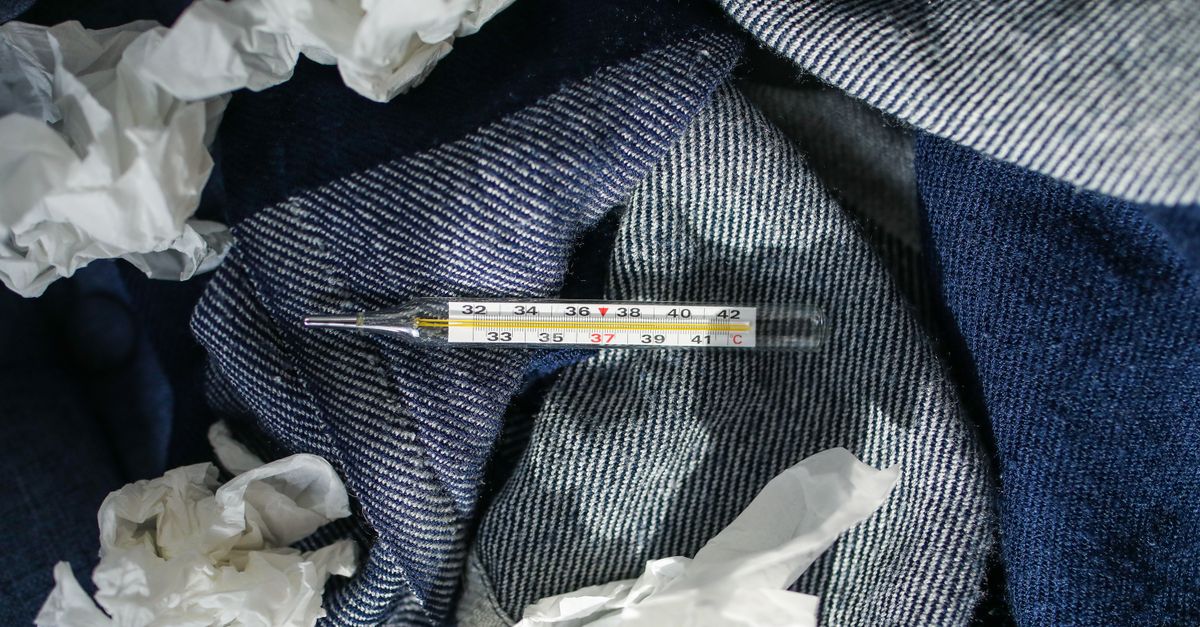
Amidst a surge in H1N1 cases, individuals with diabetes should be vigilant about specific symptoms to manage their health effectively.
As H1N1 influenza cases see a significant increase, people with diabetes are advised to stay particularly vigilant. The Indian Express highlights seven critical warning signs that individuals with diabetes should watch for, as they are more susceptible to complications from the virus.
Understanding the Vulnerability
The resurgence of H1N1, commonly known as swine flu, poses a heightened risk for those with underlying health conditions, particularly diabetes. This group is at a greater risk of developing severe symptoms and complications if infected. The Health Ministry has already issued warnings for high-risk groups, including diabetics and children, urging them to take preventive measures.
Key Symptoms to Monitor
Diabetics should be aware of specific symptoms that could indicate an H1N1 infection. These include:
- Fever and Chills: A sudden rise in temperature accompanied by chills is a common indicator.
- Cough and Sore Throat: Persistent coughing and sore throat can be early signs of the flu.
- Body Aches: Unexplained muscle or body aches should not be ignored.
- Fatigue: Unusual tiredness can signal an underlying infection.
- Breathlessness: Difficulty breathing requires immediate medical attention.
- Increased Heart Rate: Noticeable changes in heart rate can be alarming.
- Loss of Appetite: A reduced desire to eat could be a symptom.
Diabetics experiencing any combination of these symptoms should seek medical advice promptly to manage their condition effectively and to prevent further complications.
Preventive Measures and Recommendations
Health experts recommend that individuals with diabetes get vaccinated against influenza as a preventive measure. Despite the availability of flu shots, uptake remains low in India, according to The News Minute. Increasing awareness and accessibility to vaccines could significantly reduce the risk of severe illness.
Moreover, maintaining good hand hygiene, wearing masks in crowded places, and avoiding close contact with infected individuals are practical steps to minimize the risk of contracting H1N1.
The recent data from Mumbai's municipal corporation, as reported by mid-day.com, indicates a sevenfold increase in H1N1 cases during the monsoon season. This trend underscores the need for heightened awareness and precautionary measures, especially for vulnerable groups like diabetics.
As the health ministry continues to monitor the situation, individuals with diabetes are encouraged to remain informed and proactive about their health and safety during this surge in H1N1 cases.