
The Rising Challenge of Respiratory Diseases in India
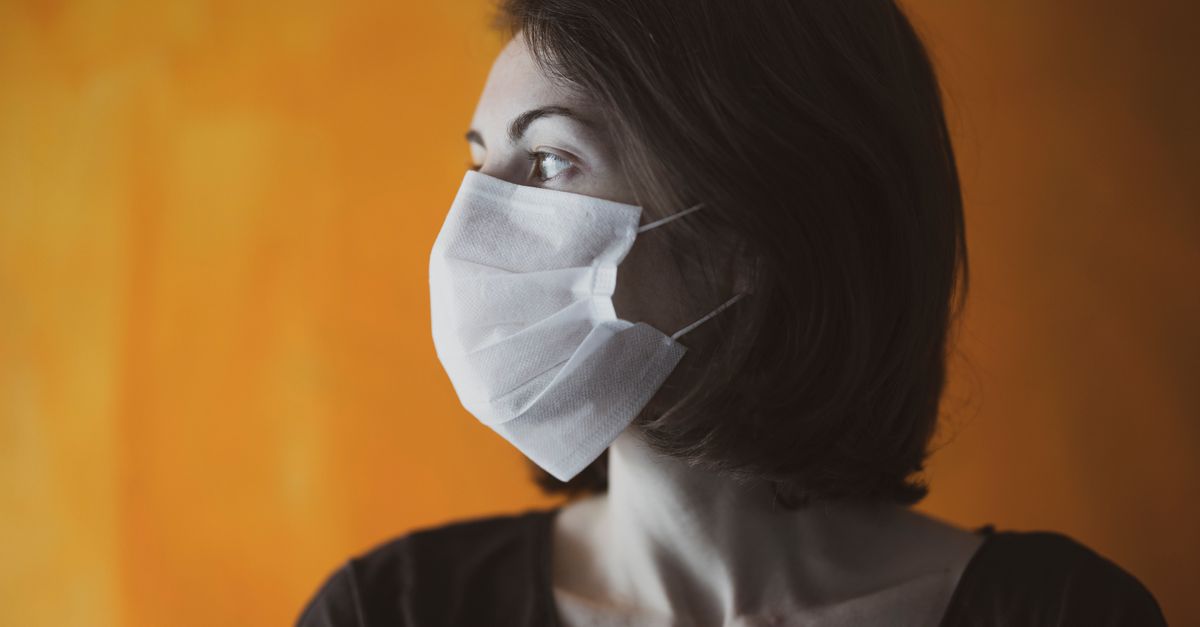
With pollution and smoking as major contributors, India's respiratory disease burden grows.
In recent years, India has faced a significant surge in respiratory diseases, posing a substantial public health challenge. The country is experiencing an alarming increase in conditions such as chronic obstructive pulmonary disease (COPD), asthma, and acute respiratory infections. This rise can be attributed to a combination of factors, including escalating air pollution levels, high smoking rates, and a lack of adequate healthcare infrastructure.
Air Pollution: A Major Culprit
India's air quality has been deteriorating at an alarming pace, with cities like Delhi regularly appearing at the top of global pollution rankings. The World Health Organization (WHO) reports that air pollution is responsible for over two million premature deaths annually in India. The primary pollutants, including particulate matter (PM2.5 and PM10), nitrogen dioxide, and sulfur dioxide, are known to exacerbate respiratory conditions and are linked to the development of diseases such as COPD and asthma.
Recent studies have shown that prolonged exposure to high levels of air pollution can significantly impair lung function, especially in children and the elderly. The government has initiated measures like the National Clean Air Programme (NCAP) to tackle air pollution, yet the challenge remains immense due to rapid urbanization and industrial growth.
Smoking: An Ongoing Public Health Challenge
Smoking remains a leading risk factor for respiratory diseases in India. Despite various anti-smoking campaigns and regulations, the prevalence of smoking, particularly among men, remains high. The Global Adult Tobacco Survey (GATS) indicates that nearly 28.6% of adults use tobacco in some form.
Smoking contributes to a host of respiratory issues, including lung cancer, chronic bronchitis, and emphysema. It is also a significant risk factor for developing tuberculosis, which continues to have a high incidence rate in India. Public health initiatives need to focus on more aggressive anti-smoking policies and effective cessation programs to curb this trend.
Healthcare Infrastructure and Accessibility
India's healthcare system struggles to cope with the increasing burden of respiratory diseases. There is a stark disparity in healthcare access between urban and rural areas, with the latter often lacking basic medical facilities. This inequity hampers timely diagnosis and treatment, exacerbating the health outcomes for those affected.
To address these challenges, the Indian government has launched initiatives like Ayushman Bharat, which aims to provide accessible healthcare to millions of uninsured citizens. However, the implementation and scale-up of such programs are critical to making a tangible impact on respiratory health outcomes.
The Role of Climate and Seasonal Variations
India's diverse climate and seasonal variations also play a role in the prevalence of respiratory diseases. The monsoon season, in particular, sees a spike in cases of acute respiratory infections due to increased humidity and fungal growth. Similarly, winter months exacerbate conditions for those with asthma and COPD due to colder temperatures and the proliferation of smog.
Efforts to educate the public on managing seasonal respiratory issues and improving indoor air quality through measures like dehumidifiers and air purifiers can help mitigate some of these seasonal impacts.
A Path Forward
Addressing the rising incidence of respiratory diseases in India requires a multi-faceted approach. Strengthening air quality regulations, implementing robust public health campaigns against smoking, and improving healthcare accessibility are crucial steps. Additionally, increased investment in healthcare infrastructure and research into respiratory health can pave the way for more effective prevention and treatment strategies.
"The fight against respiratory diseases in India is not just a battle for cleaner air but also a commitment to a healthier future," suggests Dr. Randeep Guleria, former director of AIIMS. As awareness grows, so too must the efforts to turn the tide against these pervasive health challenges.