
The Rise of Sustainable Medical Technologies: A Greener Future for Healthcare
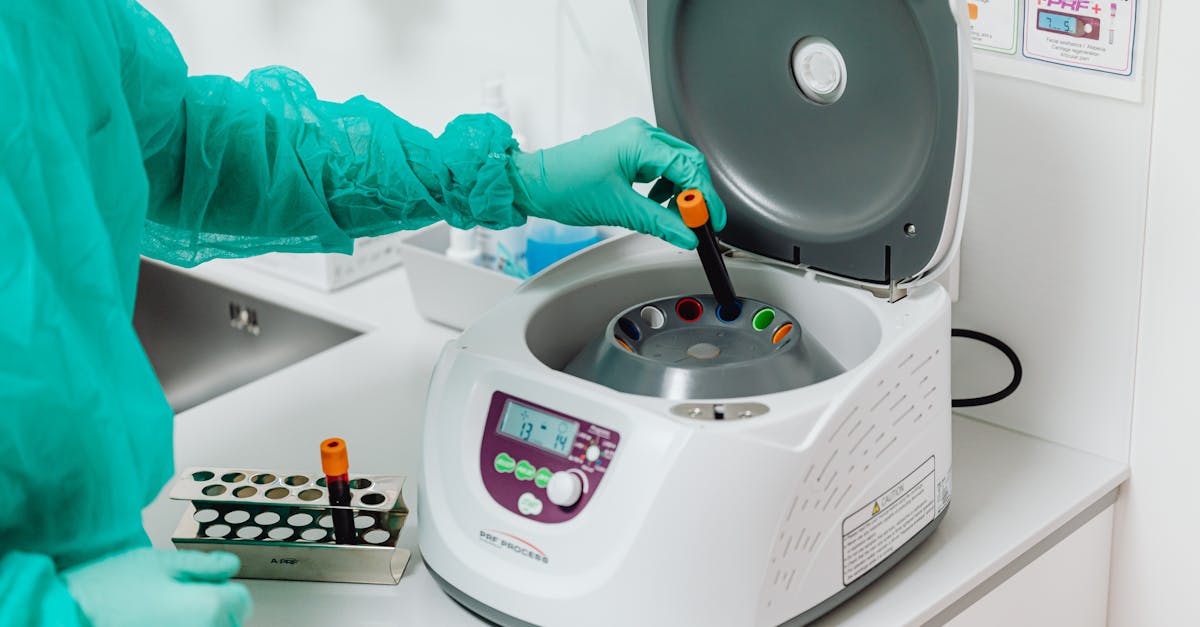
Sustainable medical technologies are reshaping healthcare, offering eco-friendly solutions that promise to reduce waste and carbon emissions.
The healthcare industry has long been a significant contributor to environmental waste, with hospitals and clinics generating millions of tons of waste each year. This challenge, however, is being met head-on by the burgeoning field of sustainable medical technologies. These innovations are not just about reducing waste; they are about transforming the healthcare landscape into one that is as focused on planetary health as it is on human health.
Why Sustainability Matters in Healthcare
Healthcare facilities in the United States alone produce over four billion pounds of waste annually, according to Practice Greenhealth. This staggering figure includes everything from single-use devices to packaging materials. The environmental impact is further compounded by the energy-intensive nature of healthcare operations. As climate change becomes an increasingly urgent global issue, the healthcare sector is under pressure to reduce its carbon footprint and adopt more sustainable practices.
Innovations Driving the Change
Several key innovations are leading the charge towards sustainability in healthcare. One such development is the advent of biodegradable medical supplies. Companies are now producing biodegradable gloves, gowns, and even syringes that break down naturally, reducing the burden on landfills.
Another significant advancement is in the realm of energy efficiency. Hospitals are adopting energy-efficient lighting, heating, and cooling systems. Facilities are also investing in renewable energy sources such as solar panels, which not only cut emissions but also reduce operational costs over time.
Moreover, digital health technologies are reducing the need for physical resources. Telemedicine, for example, decreases the need for patient travel and reduces the infrastructure burdens on healthcare facilities, leading to a lower environmental impact.
Challenges and Considerations
Despite these promising developments, the transition to sustainable medical technologies is not without its challenges. One major hurdle is the upfront cost associated with adopting new technologies. While long-term savings and environmental benefits are evident, the initial investment can be a barrier for many institutions.
Additionally, there is the challenge of regulatory approvals. New technologies must undergo rigorous testing and validation to ensure they meet health and safety standards, which can delay their adoption.
Furthermore, there is a need for a cultural shift within the healthcare industry. For sustainable practices to be truly effective, there needs to be widespread acceptance and commitment from healthcare professionals, administrators, and patients alike.
Looking Ahead: A Sustainable Healthcare System
As sustainable medical technologies continue to evolve, their potential impact on the healthcare system is profound. The integration of these technologies promises not only to reduce the environmental footprint of healthcare but also to improve operational efficiencies and patient outcomes.
The future of healthcare lies in a holistic approach that considers both human health and environmental sustainability. As Dr. Erin Meehan, a leading researcher in sustainable healthcare, aptly puts it, “Our goal should be to heal both people and the planet.”
With ongoing research and increasing investment in green technologies, the healthcare sector is poised to make significant strides towards sustainability. The coming years will likely see a greater emphasis on eco-friendly innovations, setting a new standard for what it means to provide care in a way that respects our planet.