
The Rise of Healthy Workplace Certifications: Key Trends for 2024
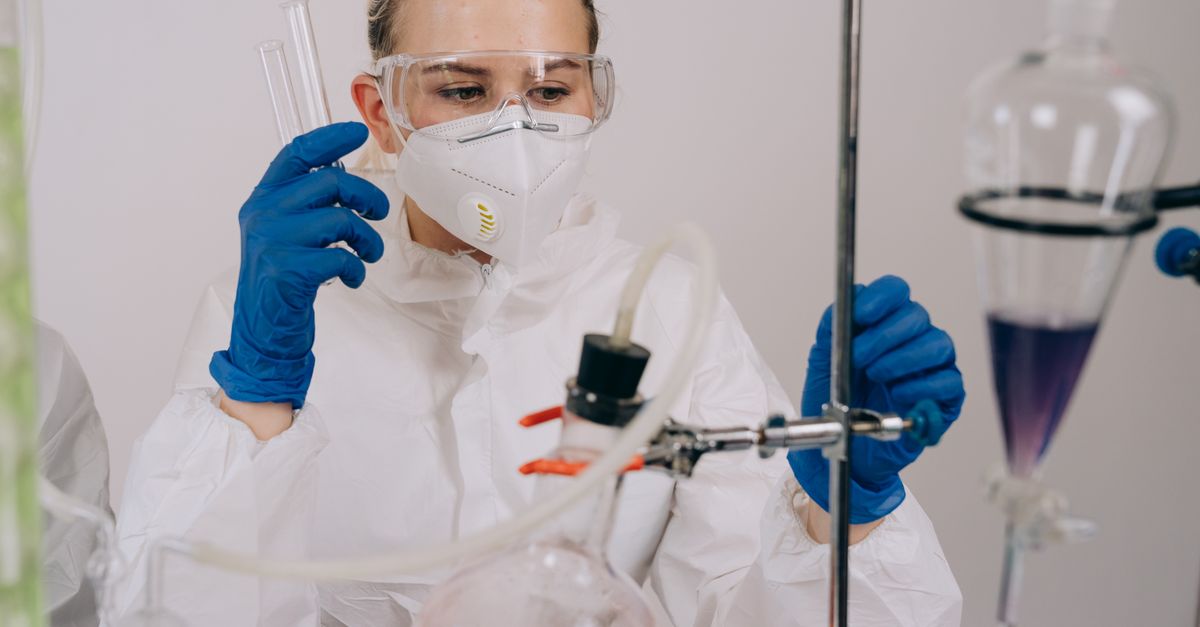
As employee well-being gains focus, healthy workplace certifications are evolving. Discover the top trends that will shape workplace health standards in 2024.
In the quest to attract top talent and retain a satisfied workforce, companies are increasingly turning to healthy workplace certifications. These certifications not only bolster an organization’s reputation but also enhance employee well-being, reduce absenteeism, and boost productivity. As more businesses recognize these benefits, the landscape of workplace certifications is evolving rapidly. Here, we explore the trends that are set to define this sector in 2024.
Why Workplace Health is Gaining Attention
Recent studies have underscored a growing awareness of mental and physical health's impact on workplace productivity. The World Health Organization estimates that depression and anxiety alone cost the global economy $1 trillion per year in lost productivity. In response, organizations are seeking comprehensive solutions to support employee health, leading to a surge in interest in workplace health certifications.
Beyond Traditional Wellness Programs
Traditional wellness programs, often focused on gym memberships and basic health screenings, are being outpaced by more holistic approaches. Certifications now emphasize mental health support, work-life balance, and even financial wellness. For instance, the WELL Health-Safety Rating, which gained prominence during the COVID-19 pandemic, incorporates a broad spectrum of health and safety measures. This shift indicates that organizations are acknowledging the multifaceted nature of employee well-being.
Technology-Driven Certifications
As technology continues to revolutionize the workplace, its integration into health certifications is inevitable. Digital platforms that monitor physical activity, provide mental health resources, and facilitate telehealth consultations are becoming standard components of certification criteria. Companies like Fitbit and Headspace are already partnering with employers to provide comprehensive health solutions. These technologies not only enhance the accessibility of health resources but also offer data-driven insights to tailor wellness initiatives effectively.
Focus on Mental Health
Mental health has moved to the forefront of workplace health initiatives. Certifications that prioritize mental health resources and support systems are increasingly sought after. Programs such as Mental Health First Aid training and the inclusion of mental health days in PTO policies are becoming more common. Employers recognize that addressing mental health is not only a moral imperative but also a strategic business decision, as it directly impacts employee engagement and retention.
Sustainability and Health: A Converging Path
Another emerging trend is the intersection of sustainability and workplace health. Certifications are beginning to incorporate environmentally sustainable practices as part of their criteria. This trend aligns with a broader corporate shift towards sustainability, reflecting a commitment to both planetary and employee health. Initiatives such as green building certifications and sustainable office practices are becoming integral to workplace health programs, promoting a healthier environment for employees and the planet alike.
As businesses continue to navigate the complexities of employee health and well-being, the evolution of workplace certifications is set to play a pivotal role. With a focus on holistic health, technological integration, mental health, and sustainability, these certifications are becoming indispensable tools for forward-thinking organizations. As we look towards 2024, the challenge will be not only to achieve these certifications but to live by the principles they represent, fostering a truly healthy and sustainable workplace environment.