
Revolutionizing Urology: Breakthroughs in Medical Innovation
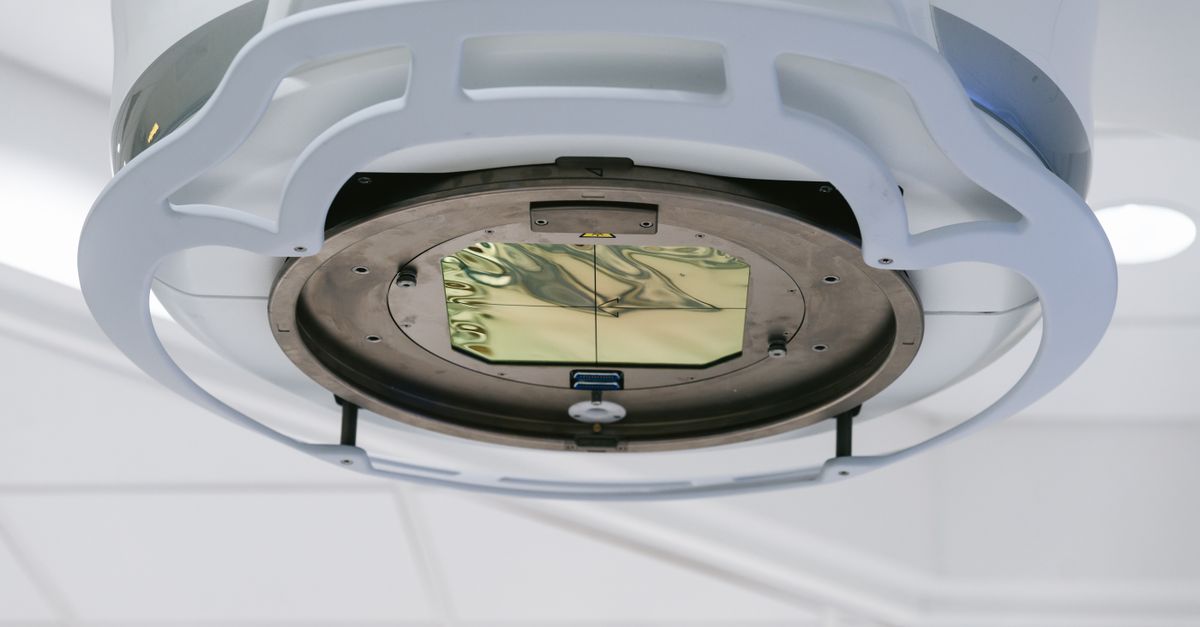
Innovations in urology are transforming patient care through advanced diagnostics and minimally invasive treatments.
Urology, a field that deals with diseases of the urinary tract and the male reproductive system, is undergoing a transformation thanks to a wave of innovative technologies and treatments. From precision diagnostics to minimally invasive surgeries, these advancements are enhancing patient outcomes and streamlining care processes.
Precision Diagnostics: The Role of AI and Genomics
One of the most significant advancements in urology is the use of artificial intelligence (AI) and genomics for precision diagnostics. AI algorithms are now able to analyze imaging data with remarkable accuracy, helping to identify conditions such as prostate cancer at earlier stages. For instance, AI-driven platforms like IBM Watson Health have been integrated into clinical settings to assist radiologists in interpreting complex imaging data more efficiently.
Meanwhile, genomic testing is providing deeper insights into the genetic factors that contribute to urological diseases. Companies like Myriad Genetics are developing tests that can assess the risk of prostate cancer recurrence based on genetic markers, allowing for more personalized treatment plans. This combination of AI and genomics is paving the way for more targeted and effective interventions.
Minimally Invasive Surgical Techniques
Minimally invasive surgery has become a cornerstone of modern urology, reducing both recovery time and the risk of complications. Robotic-assisted surgery, in particular, has seen widespread adoption. The da Vinci Surgical System, developed by Intuitive Surgical, is a prime example. It allows surgeons to perform complex procedures with enhanced precision through small incisions, offering patients quicker recovery and less postoperative pain.
Furthermore, advances in laser technology are transforming the treatment of kidney stones and benign prostatic hyperplasia (BPH). Holmium laser enucleation of the prostate (HoLEP) is now considered a gold standard for treating BPH, offering a less invasive alternative to traditional open surgery.
Innovative Treatment Options for Incontinence
Urinary incontinence, a condition affecting millions worldwide, is seeing new treatment options thanks to advances in urology. Neuromodulation therapies, such as the sacral nerve stimulation system developed by Medtronic, provide a promising solution. This device modulates nerve activity to control bladder function, significantly improving the quality of life for patients with overactive bladder.
Additionally, there is active research into regenerative medicine approaches for incontinence. Stem cell therapy is being explored as a method to regenerate damaged sphincter muscles, potentially offering a long-term solution for patients who do not respond to conventional treatments.
The Future of Urology: Telemedicine and Beyond
The integration of telemedicine in urology is further transforming patient care. During the COVID-19 pandemic, telehealth platforms saw a dramatic rise in usage, and this trend continues as patients and providers recognize its convenience and effectiveness. Remote consultations allow for ongoing management of chronic urological conditions without the need for frequent in-person visits.
Looking ahead, the combination of telemedicine with wearable health technologies could revolutionize patient monitoring. Wearable devices capable of tracking vital signs and urinary metrics in real-time will enable proactive management of urological conditions, potentially reducing hospital admissions and improving patient outcomes.
The ongoing advancements in urology highlight a dynamic period of change, with technology leading the way in improving diagnostic accuracy, surgical outcomes, and patient quality of life. As these innovations continue to evolve, they promise to redefine the landscape of urological care.