
Revolutionizing Neonatal Care: Innovations Shaping the Future
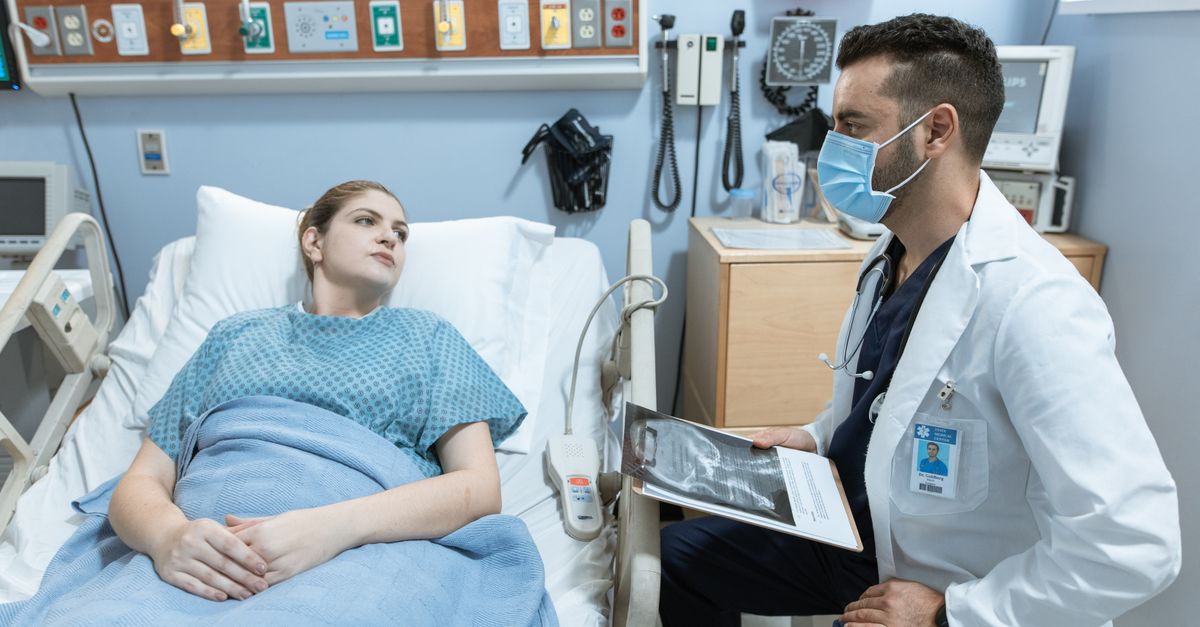
Explore groundbreaking advancements in neonatal care technologies that are transforming outcomes for the youngest and most vulnerable patients.
Neonatal care, a critical field within pediatrics, is witnessing a transformative wave of medical innovations that are altering the landscape of treatment for premature and critically ill newborns. These advancements are not only enhancing survival rates but also improving the quality of life for these vulnerable patients.
New Technologies Redefining Neonatal Monitoring
The integration of advanced monitoring technologies is making a substantial impact in neonatal intensive care units (NICUs). High-resolution imaging techniques, such as MRI and ultrasound, have become indispensable tools, providing clear insights into the development and potential complications in neonates. These imaging modalities are now complemented by wearable devices that continuously track vital signs, offering real-time data that can preemptively indicate distress or deterioration in an infant's condition.
One standout innovation is the development of wireless biosensors. Unlike traditional wired monitors, these small, flexible patches can be placed on a baby’s skin, reducing discomfort and the risk of infection while allowing for more natural movement. These devices transmit vital data, including heart rate, oxygen saturation, and temperature, directly to healthcare providers' systems, enabling prompt interventions when necessary.
Advancements in Respiratory Support
Respiratory support remains a cornerstone of neonatal care, particularly for preterm infants whose lungs are often underdeveloped. Traditional mechanical ventilation, while life-saving, can sometimes lead to complications such as lung injury. Recent innovations have focused on minimizing these risks through gentler, more efficient methods.
High-frequency oscillatory ventilation (HFOV) and continuous positive airway pressure (CPAP) are two such techniques that have gained traction. These methods maintain adequate lung inflation and improve gas exchange with less trauma to the delicate lung tissues. Moreover, the advent of liquid ventilation—where a special liquid is used to aid in breathing—offers a promising alternative for extremely premature infants, still under rigorous investigation but with potential to drastically improve outcomes.
Advancing Neonatal Nutrition
Nutritional support is critical in the growth and development of newborns, particularly those born prematurely. Innovative approaches in neonatal nutrition are now focusing on personalized medicine, tailoring nutritional plans to the specific needs of each infant. This personalization is achieved through detailed assessments of metabolic requirements and digestive capabilities.
Human milk fortifiers, specifically designed for premature infants, are being enhanced through bioengineering techniques to include essential nutrients that support brain development and immune function. In addition, probiotics are being explored as a means to establish a healthy gut microbiome, which is crucial for nutrient absorption and overall health.
Gene Therapy and Regenerative Medicine
One of the most exciting frontiers in neonatal care is the application of gene therapy and regenerative medicine. These fields hold the promise of not only treating but potentially curing congenital diseases that affect newborns. Gene editing technologies, such as CRISPR-Cas9, are being studied for their ability to correct genetic defects at the cellular level.
In parallel, stem cell therapy is emerging as a revolutionary approach for repairing damaged tissues and organs. Research is underway to use stem cells to treat a variety of neonatal conditions, including bronchopulmonary dysplasia and hypoxic-ischemic encephalopathy, offering hope for interventions that could significantly alter the course of these debilitating conditions.
Collaborative Efforts and Future Directions
The future of neonatal care is being shaped by collaborative efforts between researchers, clinicians, and technologists. Institutions around the world are pooling resources and expertise to accelerate the development and implementation of these innovations. The rapid progress in neonatal care is a testament to what can be achieved when diverse disciplines unite with a common goal of improving outcomes for the youngest patients.
As these technologies continue to evolve, the potential to redefine standard care practices becomes increasingly tangible. The commitment to innovation in neonatal care ensures that the next generation of newborns will have access to treatments that are not only more effective but also more compassionate and tailored to their individual needs.