
Revolutionizing Medical Training: AI in Healthcare Simulations
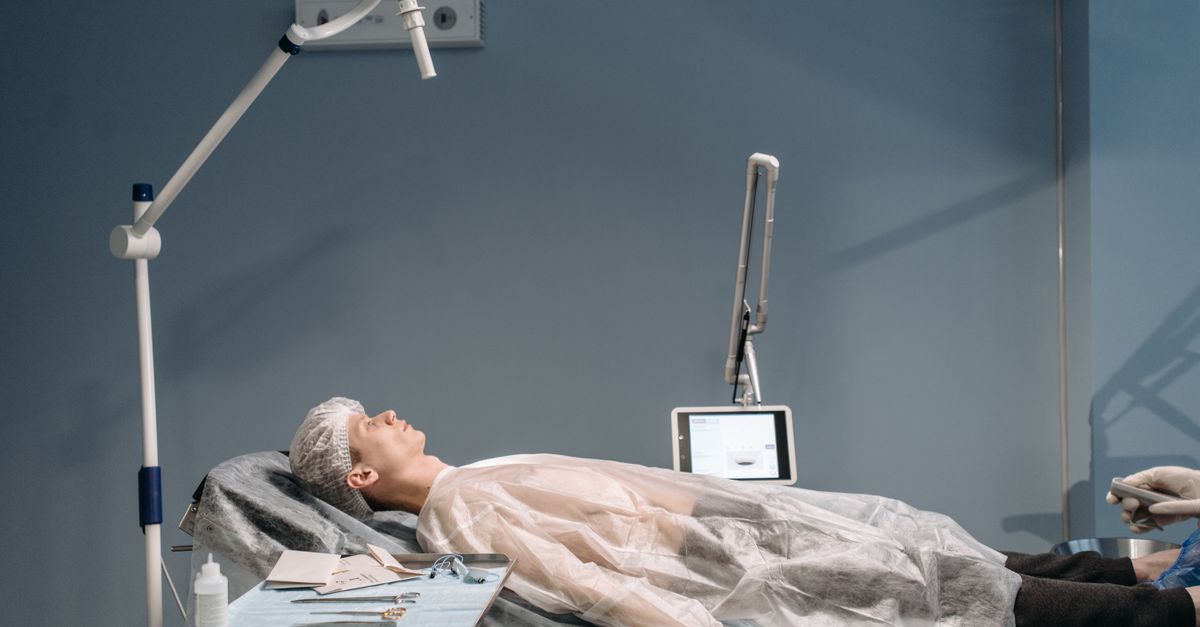
AI-powered simulations are transforming medical education, offering realistic patient interactions and data-driven insights.
Artificial intelligence is transforming the landscape of medical education through advanced training simulations. These AI-driven tools offer unprecedented realism and adaptability, providing healthcare professionals with an immersive learning experience that closely mimics real-world scenarios. As medical schools and institutions adopt these technologies, the potential to improve patient outcomes and reduce medical errors is immense.
Why AI Simulations Are Gaining Traction
Traditional medical training relies heavily on textbooks, lectures, and limited hands-on experiences. While these methods have trained generations of doctors, they lack the dynamic interaction and real-time feedback that AI simulations can provide. AI enables simulations to adapt to a trainee's responses, offering a personalized learning journey that can address individual strengths and weaknesses.
Institutions such as the Mayo Clinic and Stanford University have begun integrating AI in their training programs, recognizing its ability to prepare students for complex clinical situations. These simulations can replicate rare cases or unexpected complications, giving trainees exposure to scenarios they may not encounter during their conventional education.
Enhancing Realism with Virtual Patients
One of the standout features of AI in healthcare training is the development of virtual patients. These AI-powered entities can exhibit symptoms, respond to treatments, and even deteriorate if care is inadequate. This level of interactivity is unmatched in traditional training, where mannequins or actors might be used to simulate patient interactions.
For example, programs like SimX and Oxford Medical Simulation offer platforms where users can interact with virtual patients in a controlled environment. These systems use natural language processing to allow trainees to communicate with virtual patients, making the experience as authentic as possible. Such interactions prepare future healthcare providers to handle a variety of patient interactions with confidence and competence.
Data-Driven Insights for Continuous Improvement
AI simulations do more than just replicate patient interactions; they also collect data on trainee performance. This data can be analyzed to provide insights into clinical decision-making, procedural skills, and communication abilities. Trainers can use these insights to tailor their feedback and focus on areas needing improvement.
According to a study published in the Journal of Medical Internet Research, AI-driven analytics can significantly enhance the learning curve for medical trainees. By identifying patterns and predicting potential challenges, educators can adjust their curricula to better prepare students for clinical realities.
Challenges and Considerations
Despite their advantages, AI healthcare simulations are not without challenges. The initial cost of developing and implementing these technologies can be prohibitive for some institutions. Moreover, there is a learning curve associated with using these advanced systems, both for educators and students.
Privacy and security are also critical concerns. As these simulations gather and store vast amounts of data, ensuring that personal information is protected is paramount. Institutions must navigate these issues carefully to maintain trust and comply with regulations like HIPAA.
The Future of Medical Training
The integration of AI in healthcare training simulations is still in its early stages, yet the potential benefits are undeniable. As the technology matures and becomes more accessible, it is likely to become a staple in medical education. Future advancements may include more sophisticated AI algorithms capable of diagnosing in real-time or even predicting patient outcomes based on historical data.
"The use of AI in medical training could revolutionize how we educate the next generation of healthcare providers," says Dr. Sarah Johnston, a leading researcher in medical education technology. "By embracing these tools, we can create a more prepared, capable, and adaptable workforce ready to meet the challenges of modern medicine."