
Revolutionizing Healthcare: The Impact of Remote Patient Monitoring
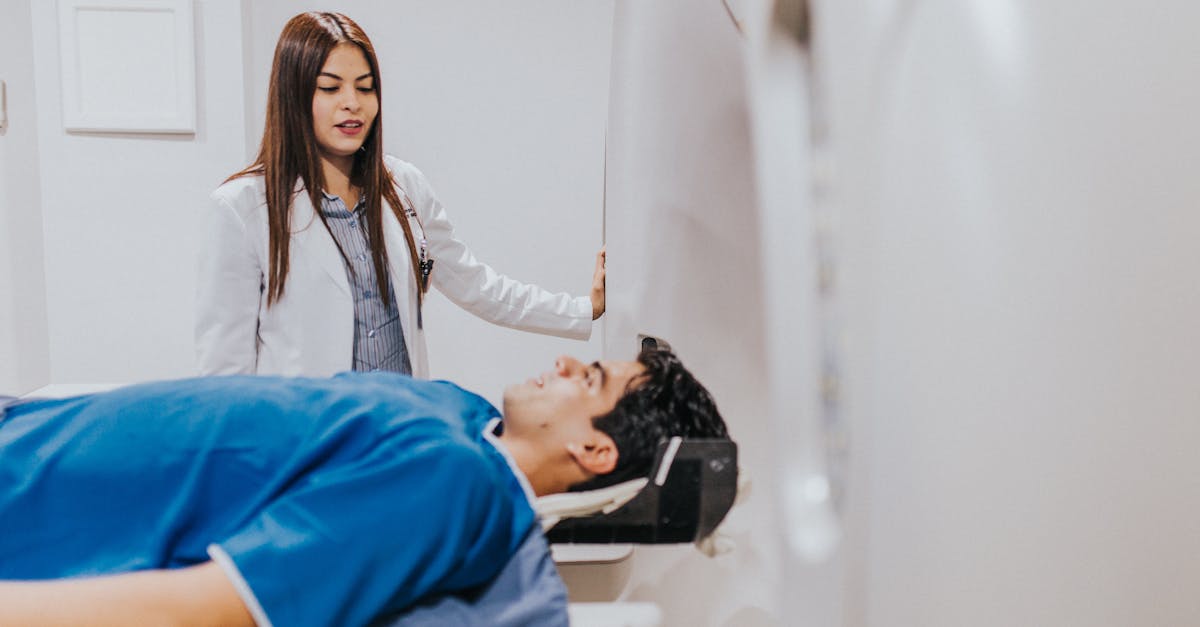
Remote patient monitoring technologies are transforming healthcare by enhancing patient care and reducing costs while allowing continuous health tracking.
In recent years, the integration of remote patient monitoring (RPM) technologies into healthcare systems has been nothing short of transformative. With the global push towards digital health solutions, these technologies promise to reimagine patient care by offering continuous monitoring while reducing the burden on healthcare facilities.
The Growing Need for Remote Patient Monitoring
As chronic diseases become more prevalent worldwide, the demand for innovative solutions to manage patient health remotely has surged. According to the World Health Organization, chronic diseases account for 71% of all deaths globally. This staggering statistic underscores the need for RPM technologies, which allow healthcare providers to track vital signs and health data without the patient being physically present.
RPM devices range from wearable gadgets that monitor heartbeat and oxygen levels to sophisticated systems that track glucose and other critical health metrics. These devices not only facilitate timely interventions but also empower patients by involving them more actively in their health management.
How Remote Monitoring Transforms Patient Care
The primary advantage of RPM is its ability to provide real-time data to healthcare professionals. This immediacy can be life-saving, particularly for patients with conditions that require constant surveillance, such as heart disease or diabetes. By continuously monitoring patients, healthcare providers can detect anomalies early and adjust treatment plans proactively.
Furthermore, RPM reduces the need for frequent hospital visits, allowing patients to enjoy improved quality of life while also reducing healthcare costs. A study by the American Medical Association found that RPM could reduce hospital readmissions by up to 25%, translating into significant savings for both patients and healthcare systems.
Challenges and Considerations in Implementation
Despite the clear benefits, the implementation of RPM technologies is not without its challenges. One major hurdle is data privacy and security. As these devices collect sensitive health information, ensuring that this data is protected against breaches is paramount. The Health Insurance Portability and Accountability Act (HIPAA) in the United States mandates strict guidelines for the protection of medical information, which RPM providers must adhere to rigorously.
Another challenge is the digital divide. While RPM technologies are promising, their effectiveness depends largely on access to devices and reliable internet connectivity—resources that are not universally available. Bridging this gap is essential to ensure equitable healthcare access for all patients, regardless of geographical or socio-economic barriers.
The Role of Telemedicine in Complementing RPM
Telemedicine plays a crucial role in making RPM more effective by providing a platform for virtual consultations. When combined with RPM, telemedicine can offer a comprehensive care package that includes monitoring, diagnosis, and treatment all from the comfort of a patient's home. This integration not only caters to the convenience of patients but also helps in managing healthcare resources more efficiently.
For instance, during the COVID-19 pandemic, the use of telemedicine surged, illustrating its potential in managing patient loads while maintaining care quality. As telemedicine continues to evolve, its synergy with RPM will likely become a cornerstone of modern healthcare delivery.
The Future of Remote Patient Monitoring
Looking ahead, the future of RPM technologies appears promising with advancements in artificial intelligence and machine learning. These technologies can enhance the predictive analytics capabilities of RPM devices, allowing for even more precise health monitoring and personalized care solutions.
Moreover, as healthcare systems worldwide continue to grapple with aging populations and rising chronic disease rates, the demand for efficient, scalable, and patient-centered care models like RPM will only increase. As Dr. Sarah Johnson, a healthcare innovator, aptly puts it, "Remote patient monitoring will not only change how we care for patients but will redefine the very nature of patient engagement."