
Revolutionary Advances Transforming Dermatology Practices
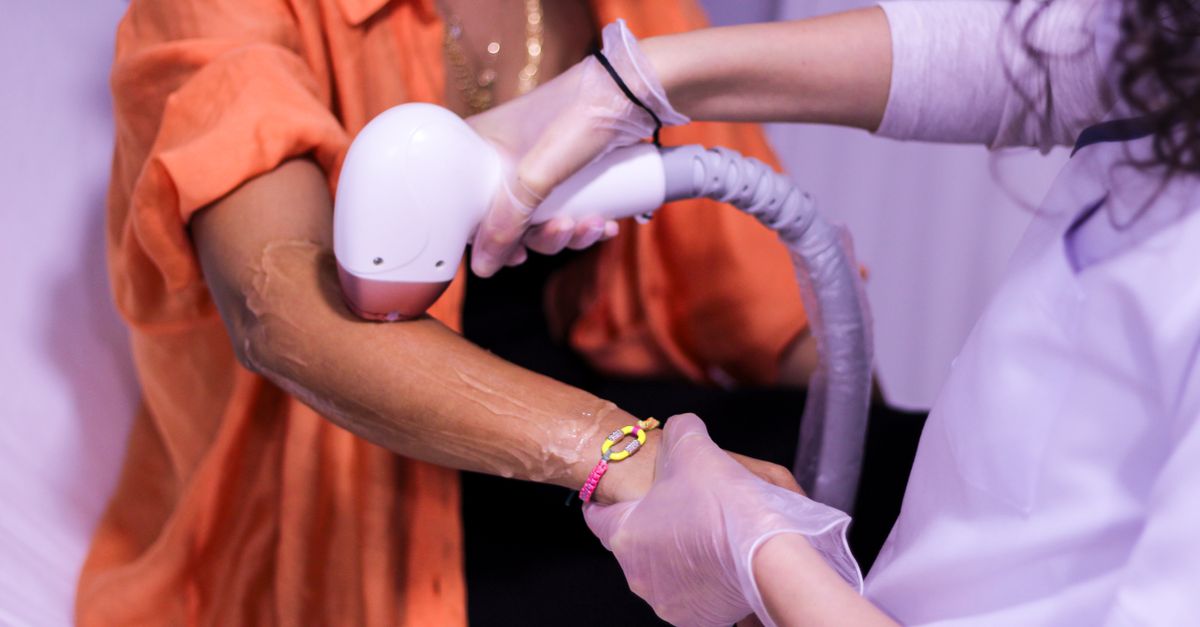
Dermatology is witnessing a transformative phase with innovations like AI diagnostics, laser therapies, and personalized medicine.
Dermatology, a field often associated with the treatment of skin conditions and cosmetic enhancements, is undergoing a transformation thanks to groundbreaking innovations. From artificial intelligence (AI) diagnostics to novel laser therapies, these advancements are reshaping how dermatologists diagnose, treat, and manage a wide array of skin-related issues.
AI-Powered Diagnostics: The New Frontier
AI technology is making significant inroads into dermatology, promising faster and more accurate diagnostics. Algorithms trained on vast datasets of skin images are now capable of identifying conditions such as melanoma, psoriasis, and eczema with a precision that rivals, and sometimes surpasses, human experts. A study published in The Lancet Digital Health demonstrated that AI systems could correctly diagnose skin cancer in 87% of cases, outperforming dermatologists who achieved an 86% accuracy rate. This level of precision not only aids in early detection but also reduces the workload on dermatologists, allowing them to focus on complex cases requiring human judgment.
Laser Therapies: Beyond Cosmetic Applications
While laser technology is well-known for its cosmetic applications, such as hair removal and skin resurfacing, its role in treating medical conditions is expanding. Lasers are now effectively used in the management of port-wine stains, acne scars, and even in the treatment of certain types of skin cancer. The development of fractional laser technology has enhanced treatment outcomes by allowing precise targeting of affected areas while sparing surrounding healthy tissue. This precision reduces recovery times and improves patient satisfaction.
Personalized Medicine: Tailoring Treatments to Individuals
Personalized medicine is a burgeoning area in dermatology, where treatments are tailored to the genetic, environmental, and lifestyle factors specific to each patient. Advances in genomic sequencing and biomarkers allow for the customization of therapies, particularly for chronic conditions like psoriasis and atopic dermatitis. For instance, biologic drugs, which are designed to target specific components of the immune system, offer personalized therapeutic options that minimize side effects and improve efficacy.
Teledermatology: Expanding Access and Convenience
The rise of teledermatology has been accelerated by the COVID-19 pandemic, ensuring patients have access to dermatological care from the safety of their homes. Platforms like DermTech and First Derm allow patients to submit images of their skin concerns and receive professional evaluations without a physical appointment. This approach not only expands access to care but also facilitates ongoing monitoring and follow-up, crucial for chronic conditions that require regular assessment.
Microneedling and Regenerative Techniques
Microneedling, often combined with platelet-rich plasma (PRP) therapy, is gaining traction for its ability to stimulate collagen production and rejuvenate the skin. This technique is now being explored for its potential in treating alopecia and improving wound healing. By enhancing the skin's natural repair mechanisms, such regenerative techniques offer a non-invasive alternative to more traditional treatments.
As dermatology continues to innovate, these advancements are not only enhancing the quality of care but also expanding the role dermatologists play in overall health and wellbeing. The future promises even more integration of technology and personalized approaches, heralding a new era in skin health management.