
Revamping Primary Healthcare in India: A System Under Transformation
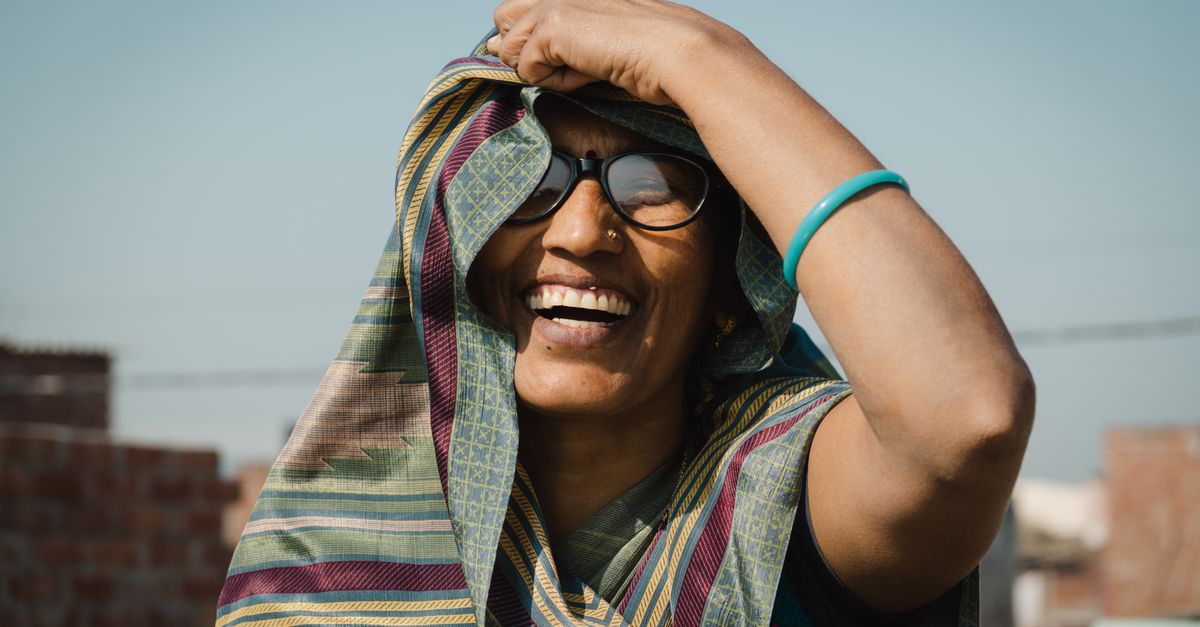
India's primary healthcare system is undergoing transformative changes to address both rural and urban challenges, aiming for accessible and equitable healthcare.
In a country as diverse and populous as India, ensuring equitable access to primary healthcare remains an ongoing challenge. The Indian healthcare system is a complex network, struggling under the weight of its own aspirations and limitations. However, recent policy shifts and technological advancements signal a transformation that could alter the landscape of primary healthcare.
The Current Landscape: Challenges and Opportunities
India's primary healthcare system is primarily driven by government-funded initiatives. The government spends about 1.3% of its GDP on healthcare, which is significantly lower than the global average of 6%. This underfunding has resulted in inadequate infrastructure, a shortage of healthcare professionals, and uneven distribution of services, especially in rural areas. Over 70% of the Indian population resides in rural zones, yet these areas remain underserved compared to urban centers.
One of the critical challenges is the lack of trained medical professionals in rural healthcare centers. According to the Ministry of Health and Family Welfare, as of 2022, there was a 16% shortfall of doctors at primary health centers across the country. Additionally, the urban-rural divide in healthcare access is stark, with rural areas often relying on sub-centers that lack essential medical supplies and diagnostic tools.
Technology as a Catalyst for Change
The integration of technology into healthcare has the potential to bridge the gap significantly. Telemedicine is emerging as a key player in improving access to healthcare services in remote locations. Initiatives like the government's 'eSanjeevani' platform have facilitated over 5 million teleconsultations, expanding the reach of medical expertise to underserved regions.
Furthermore, digital health records and mobile health applications are being deployed to maintain continuity of care. The National Digital Health Mission (NDHM) aims to create a holistic digital health ecosystem that can transform how services are delivered, making them more efficient and patient-centric. These innovations are particularly beneficial in ensuring that patients in rural areas can access quality healthcare without the need to travel long distances.
Policy Initiatives and Their Impact
Recent policy initiatives reflect a focused effort to revamp primary healthcare. The Ayushman Bharat scheme, launched in 2018, is one of the world's largest government-funded healthcare programs. It aims to cover over 500 million beneficiaries and has led to the establishment of Health and Wellness Centres (HWCs) across the nation. These centers are intended to provide comprehensive primary care, including preventive, promotive, curative, and rehabilitative services.
Moreover, the Pradhan Mantri Jan Arogya Yojana (PM-JAY) under Ayushman Bharat aims to provide cashless and paperless access to healthcare services at the point of care. This scheme is particularly impactful for economically disadvantaged populations who might otherwise forego necessary medical treatment due to financial constraints.
What Lies Ahead: Future Outlook
While the initiatives and advancements are promising, the journey towards a robust primary healthcare system in India is far from over. Continuous investment in healthcare infrastructure and workforce is essential. Strengthening public health education and promoting preventive care can further alleviate the burden on primary healthcare facilities.
As India moves forward, the integration of artificial intelligence and machine learning in diagnosing and managing diseases could revolutionize primary healthcare. These technologies can enhance diagnostic accuracy and efficiency, allowing healthcare providers to focus on personalized patient care.
The transformation of primary healthcare in India is not just an aspirational goal but a necessary evolution. As Dr. Harsh Vardhan, former Union Health Minister, stated, "Access to affordable and quality healthcare is not just a service, but a right for every citizen." The path is set, and with sustained efforts, the vision of accessible and equitable healthcare can become a reality for all Indians.