
Revamping Emergency Medical Services: India’s Response to a Growing Crisis
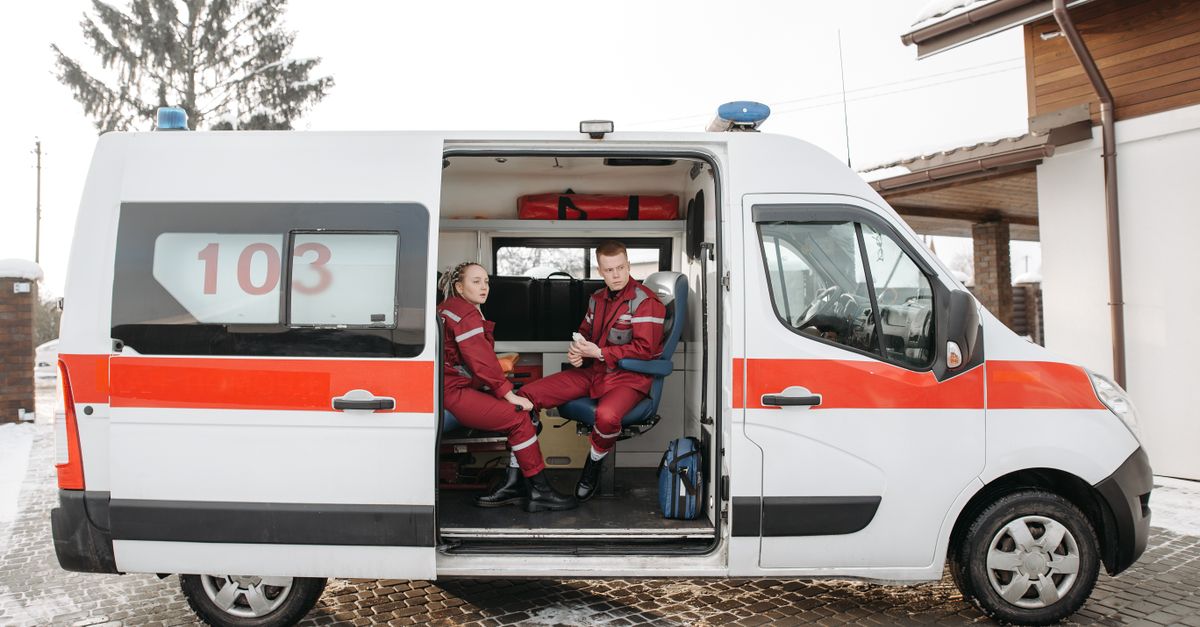
India's emergency medical services are evolving to meet increasing demands, but challenges in infrastructure and response times remain.
In the bustling metropolises and remote villages of India, emergency medical services (EMS) are an essential yet often overlooked facet of public health infrastructure. The urgency of these services cannot be understated, particularly as the nation grapples with a burgeoning population and increasingly complex health emergencies. Recent developments suggest a shift towards more integrated and responsive systems, but significant roadblocks hinder progress.
Strengths and Struggles of EMS in India
India's EMS landscape is marked by a dichotomy of advancements and deficiencies. On one hand, the introduction of the 108 emergency response number in 2005 was a significant milestone, offering a unified platform for medical, police, and fire emergencies. As of 2023, the service covers 28 states and union territories, catering to millions annually. However, rural areas still face acute shortages of ambulance services and trained medical personnel, exacerbated by poor road conditions and geographical isolation.
Urban centers, while better equipped, are not immune to challenges. Traffic congestion often hampers response times, and the lack of a standard protocol for emergency medical technicians (EMTs) means that the quality of care can vary widely. Infrastructure in many government hospitals remains inadequate, with overcrowded emergency rooms and limited availability of life-saving equipment.
Technological Innovations and Their Impact
Technological advancements are beginning to make a noticeable impact on the efficacy of EMS in India. GPS-enabled ambulances now help streamline the dispatch process, reducing response times significantly in urban areas. Additionally, mobile health applications are emerging as valuable tools for first responders, providing real-time data and allowing for better coordination with hospitals.
Telemedicine is another promising development, particularly for rural regions where direct medical access is limited. These services enable remote diagnosis and consultation, allowing medical professionals to provide guidance from afar. However, the implementation of such technologies is often hindered by inconsistent internet connectivity and a lack of digital literacy among potential users.
Training and Human Resource Challenges
The human element of EMS cannot be overlooked. India faces a shortage of trained EMTs and paramedics, with many existing personnel lacking formal certification. The National Health Mission has attempted to address this by rolling out training programs across various states, yet the scale of the problem remains daunting.
Moreover, the high turnover rate among EMS personnel—attributed to stressful working conditions and low pay—compounds the issue. Efforts to improve working conditions and offer competitive salaries are crucial if India is to retain skilled professionals in this critical field.
Government Initiatives and Policy Directions
Recognizing the need for a more robust EMS framework, the Indian government has initiated several policies aimed at enhancing emergency care services. The National Ambulance Code, for instance, sets standards for ambulance design and equipment, ensuring that vehicles are adequately equipped for patient care. Additionally, the Ayushman Bharat scheme aims to improve healthcare accessibility, though its direct impact on EMS remains to be fully realized.
Public-private partnerships are also gaining traction, with companies such as Ziqitza Health Care Limited stepping in to provide EMS services in collaboration with state governments. Such partnerships can play a pivotal role in filling gaps left by public sector limitations, particularly in resource-strapped regions.
The Road Ahead for India's EMS
To truly transform EMS in India, a multi-faceted approach is required—one that addresses infrastructural deficiencies, embraces technological innovation, and prioritizes training and retention of skilled personnel. With the right mix of policy support and private sector involvement, India can develop an EMS network capable of meeting the needs of its diverse and growing population.
“The future of emergency medical services in India hinges on our ability to innovate and adapt,” says Dr. Sanjay Gupta, a leading expert in emergency medicine. As the country continues to evolve, so too must its approach to emergency care, ensuring that all citizens have access to timely and effective medical assistance in their hour of need.