
Rethinking Chronic Disease Management for Rural India
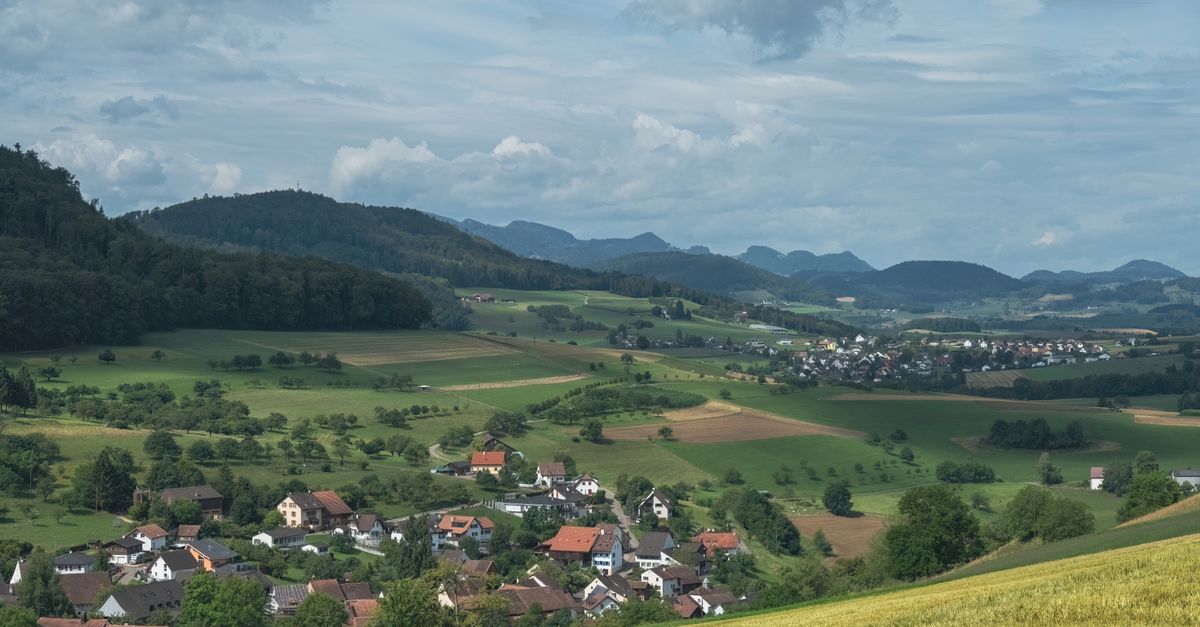
Rural India faces unique challenges in managing chronic diseases, necessitating tailored healthcare strategies that consider cultural and logistical nuances.
In rural India, where 69% of the population resides, managing chronic diseases presents unique challenges that urban healthcare models often fail to address. The disparity in healthcare access, cultural differences, and infrastructure gaps demand a rethinking of chronic disease management strategies specifically catered to these communities.
The Cultural and Logistical Divide
Rural areas in India are characterized by cultural diversity, with traditional beliefs and practices influencing health behaviors. For instance, reliance on local healers and herbal remedies is prevalent, often delaying or replacing evidence-based medical interventions. This cultural inclination requires healthcare providers to engage with local traditions, integrating modern medicine with culturally accepted practices to ensure adherence and trust.
Logistically, rural regions suffer from a severe shortage of healthcare facilities and professionals. According to the Ministry of Health and Family Welfare, India faces a deficit of over 600,000 doctors, with a significant portion of this gap in rural areas. Transportation issues further exacerbate access problems, as patients often have to travel long distances to reach the nearest clinic, which can be a deterrent for regular follow-ups necessary for chronic disease management.
Infrastructure: A Major Hurdle
The lack of healthcare infrastructure is a critical issue in rural India. Many villages have only primary health centers, which are ill-equipped to handle chronic diseases. The absence of specialized equipment and personnel makes it challenging to diagnose and manage conditions like diabetes, hypertension, and cardiovascular diseases effectively.
Moreover, digital infrastructure, which can potentially bridge some of these gaps, remains inadequate. Internet connectivity is sporadic, making telemedicine a less viable option. The government’s Digital India initiative aims to improve this, but progress has been slow, leaving many rural areas disconnected from potential technological healthcare solutions.
Innovative Solutions and Local Engagement
Addressing these challenges requires innovative solutions tailored to rural contexts. Community-based health programs that train local health workers have shown promise. These workers, often hailing from the communities they serve, are better positioned to understand and navigate cultural nuances, helping bridge the gap between traditional practices and modern healthcare.
Mobile health clinics offer another promising solution. These clinics bring healthcare services directly to remote locations, reducing the need for patients to travel long distances. Such initiatives not only facilitate access to healthcare but also promote regular check-ups, crucial for managing chronic conditions.
Furthermore, partnerships with non-profit organizations can enhance resource allocation and expertise. These organizations often have the flexibility and focus to implement targeted programs that can adapt to local needs more swiftly than government initiatives.
Policy Implications and the Way Forward
The Indian government has recognized these challenges and is taking steps to address them through policies like the Ayushman Bharat – Pradhan Mantri Jan Arogya Yojana (PM-JAY), which aims to provide health coverage to vulnerable populations. However, these policies need to be complemented by region-specific strategies that consider the unique challenges faced by rural populations.
Investing in healthcare education and infrastructure at the local level is crucial. Building more healthcare facilities, improving road connectivity, and enhancing digital infrastructure can significantly improve chronic disease management. Additionally, policy makers should focus on fostering public-private partnerships to leverage resources and expertise effectively.
Ultimately, transforming chronic disease management in rural India requires a multi-faceted approach that respects cultural contexts, addresses logistical challenges, and leverages innovative solutions. As Dr. Randeep Guleria, former Director of AIIMS, aptly puts it, "A one-size-fits-all approach will not suffice; we must tailor our strategies to meet the diverse needs of our rural population."