
Renowned Transplant Surgeon Dr. Paul Russell Passes Away at 101
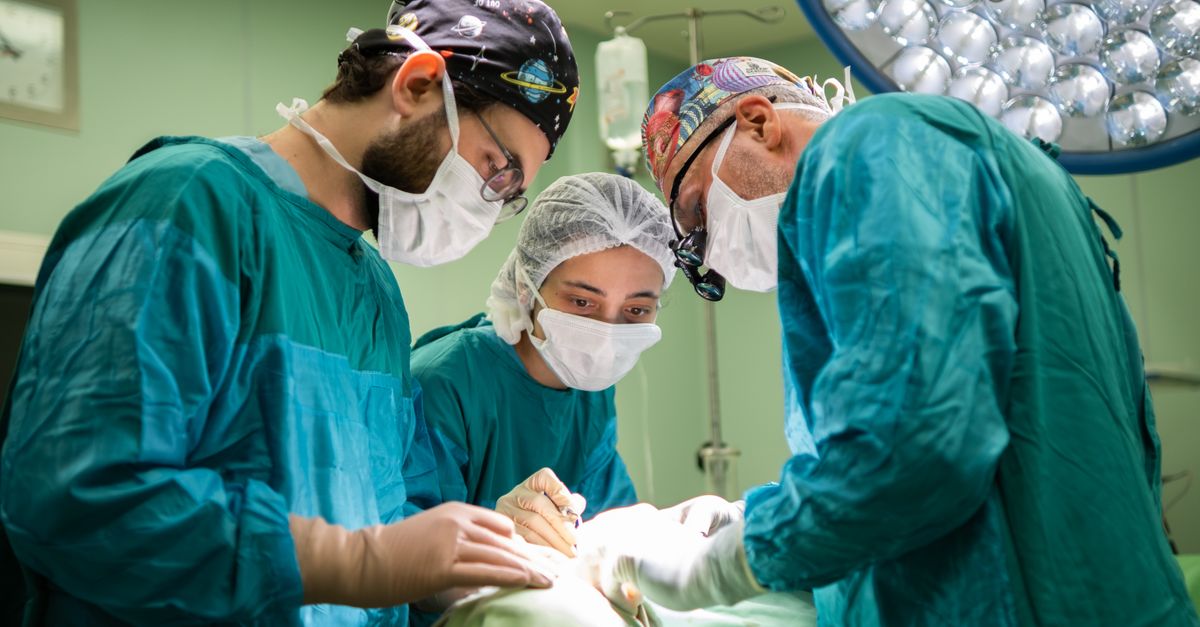
Dr. Paul Russell, a pioneer in organ transplant surgery, died at 101. His groundbreaking work in the 1960s revolutionized kidney transplants.
Dr. Paul Russell, the distinguished transplant surgeon whose pioneering work in organ transplantation helped save countless lives, has passed away at the age of 101. Dr. Russell's contributions to the field of medicine, especially in the realm of kidney transplants, have left a lasting impact on modern medical practices.
A Legacy of Medical Innovation
Born in 1925, Dr. Russell embarked on a medical career that would redefine the possibilities in organ transplantation. In 1963, he performed his first kidney transplant, a procedure that was fraught with challenges and often resulted in fatal outcomes at the time. His innovative techniques and relentless pursuit of safer, more effective procedures transformed these grim statistics, paving the way for the transplantation practices that are now standard in hospitals worldwide.
Dr. Russell's work extended beyond the operating room. He was a prolific researcher and educator, influencing generations of surgeons and medical professionals. His contributions to immunosuppressive therapy were particularly noteworthy, as they significantly reduced organ rejection rates, making transplants more viable and successful.
Impact on Medical Community
The medical community has widely acknowledged Dr. Russell's profound influence. His efforts not only advanced the technical aspects of transplant surgery but also improved patient care protocols. Many of his techniques and teachings continue to be integral to the curriculum of medical schools and are practiced in hospitals globally.
A colleague of Dr. Russell, Dr. Michael Harrison, remarked, "Paul's work was nothing short of revolutionary. He tackled the impossible and made it possible, inspiring countless others to push the boundaries of what medicine can achieve."
Remembering a Visionary
Dr. Russell's legacy is also marked by his dedication to mentoring young surgeons and researchers. He was known for his compassion and commitment to fostering a collaborative environment in which innovation could thrive. His former students remember him as a generous and patient mentor, always willing to share his extensive knowledge and experience.
Dr. Russell's passing marks the end of an era in transplant surgery, but his contributions will continue to influence the field for many years to come. He leaves behind a legacy of medical breakthroughs and a community of healthcare professionals inspired by his work.
As the medical world mourns the loss of a giant, Dr. Russell's life serves as a testament to the power of innovation and dedication in transforming healthcare and saving lives.