
Remote Patient Monitoring: Transforming US Healthcare
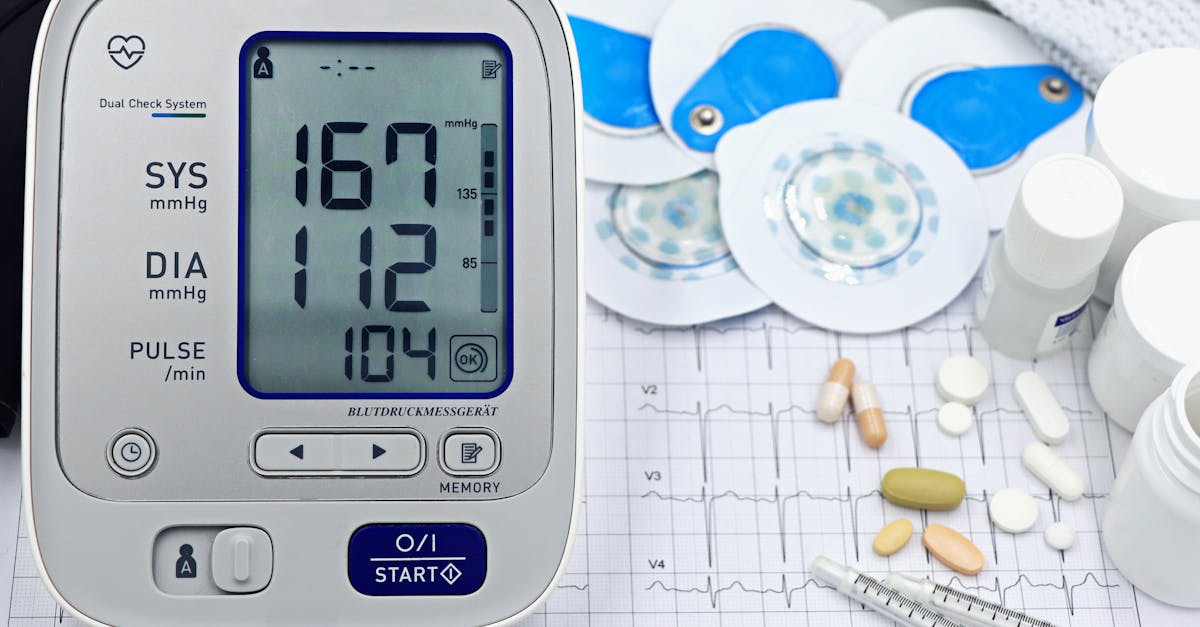
Remote patient monitoring is reshaping US healthcare by improving patient outcomes and reducing costs. Explore its growing impact on the industry.
In recent years, remote patient monitoring (RPM) has emerged as a transformative force in American healthcare, driven by technological advancements and the need for efficient healthcare delivery. With the COVID-19 pandemic highlighting the importance of remote care, RPM has gained significant traction, offering a viable solution to the challenges posed by traditional in-person visits.
The American Regulatory Landscape
The rise of RPM in the United States is closely tied to regulatory developments that have facilitated its adoption. The Centers for Medicare & Medicaid Services (CMS) has played a pivotal role by expanding reimbursement codes for RPM services, making it financially feasible for healthcare providers to integrate these technologies into their practices. In 2021, CMS introduced new codes that allow for billing of RPM services under Medicare, thus incentivizing providers to offer remote monitoring to their patients.
Additionally, the U.S. Food and Drug Administration (FDA) has streamlined the approval process for digital health devices, including those used in RPM. This regulatory support has reduced barriers to market entry for innovative RPM technologies, encouraging more companies to develop and offer these solutions.
How Hospitals and Patients Benefit
Hospitals and healthcare systems in the U.S. are increasingly turning to RPM to enhance patient care and optimize resource allocation. By remotely monitoring patients with chronic conditions such as diabetes, hypertension, and heart disease, healthcare providers can detect potential complications early, reducing the need for emergency room visits and hospital readmissions.
Patients, particularly those in rural or underserved areas, benefit significantly from RPM. It allows them to receive continuous care without the burden of frequent travel, improving adherence to treatment plans and overall health outcomes. According to a study by the National Institutes of Health (NIH), patients using RPM reported higher satisfaction and engagement with their healthcare providers.
The Economic Impact of Remote Monitoring
From an economic perspective, RPM offers substantial cost savings for both healthcare providers and the broader healthcare system. A report by the American Hospital Association (AHA) estimates that RPM could save the U.S. healthcare system up to $6 billion annually by reducing hospitalizations and improving chronic disease management.
Insurance companies and payers are also recognizing the value of RPM. Many private insurers have started covering RPM services, seeing them as a cost-effective way to manage chronic conditions and improve patient outcomes. This shift in payer attitudes is crucial for the widespread adoption of RPM across the country.
The Technological Backbone of RPM
The success of RPM is heavily reliant on technological innovation. Companies such as Philips, Medtronic, and smaller startups are continuously developing sophisticated devices and platforms that enable seamless data collection and analysis. These technologies range from wearable devices that monitor vital signs to apps that track medication adherence and patient-reported outcomes.
Interoperability remains a challenge, but initiatives like the Fast Healthcare Interoperability Resources (FHIR) standard are making strides in ensuring that data generated from RPM devices can be easily integrated into electronic health records (EHRs). This integration is vital for providing healthcare providers with a comprehensive view of a patient's health status.
Challenges and the Road Ahead
Despite its potential, RPM faces several challenges. Data privacy and security are major concerns, as sensitive health information is transmitted over networks. Ensuring compliance with the Health Insurance Portability and Accountability Act (HIPAA) and other regulations is paramount to maintaining patient trust.
Moreover, there is a digital divide that could limit the reach of RPM. Access to reliable internet and technology varies across different demographics, potentially widening health disparities. Addressing these inequalities will be crucial for the equitable growth of RPM.
As healthcare continues to evolve, remote patient monitoring stands out as a promising avenue for improving patient care and reducing costs. With continued regulatory support, technological advancements, and efforts to address existing challenges, RPM is well-positioned to become a staple in the American healthcare landscape.