
Remote Patient Monitoring: Transforming Healthcare from Afar
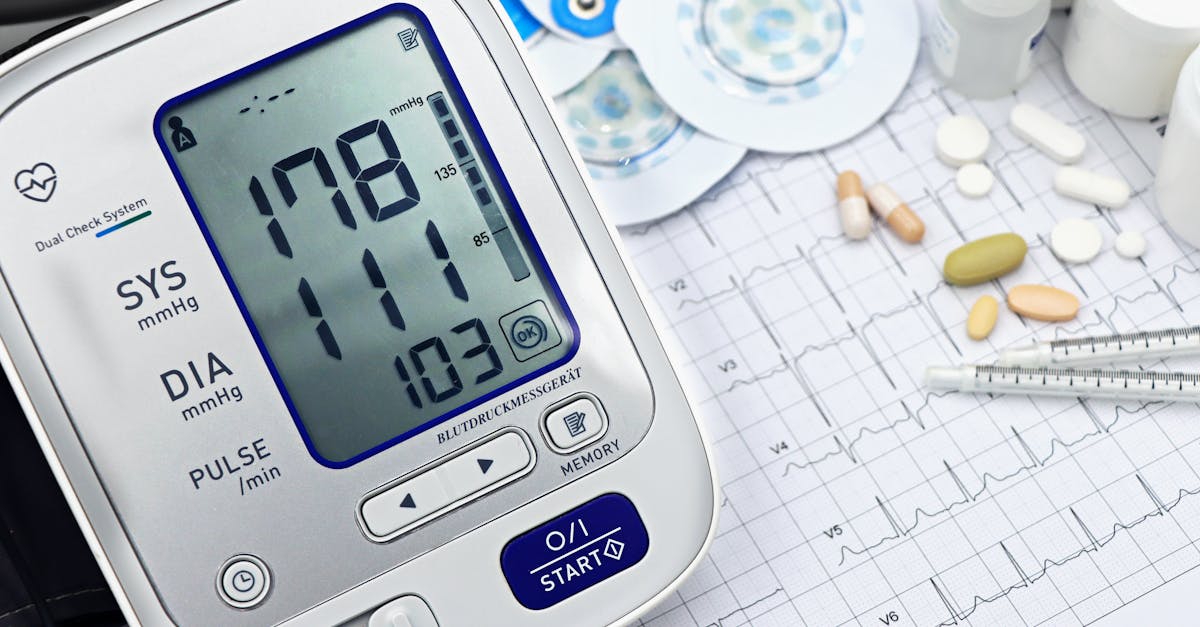
Remote patient monitoring is reshaping healthcare delivery by enabling real-time, continuous data tracking outside traditional settings.
As healthcare systems worldwide adapt to technological advancements, remote patient monitoring (RPM) has emerged as a key innovation, offering a transformative approach to patient care. This technology enables healthcare providers to track patient health data in real-time, outside traditional clinical settings. From managing chronic diseases to post-operative care, RPM is proving to be a game-changer.
Understanding Remote Patient Monitoring
At its core, remote patient monitoring involves the use of digital technologies to collect medical and health data from individuals in one location and electronically transmit that information securely to healthcare providers in a different location. The data can include vital signs, weight, blood pressure, blood sugar, oxygen levels, heart rate, and electrocardiograms. This continuous stream of data allows healthcare professionals to monitor patients without the need for frequent office visits, offering a more efficient and patient-friendly approach to care.
Benefits for Patients and Providers
One of the primary advantages of RPM is its ability to enhance patient engagement and self-management. Patients equipped with monitoring devices become more involved in their own health care, often leading to improved outcomes. For instance, a diabetic patient can monitor glucose levels daily, adjust diets or medications accordingly, and receive immediate feedback from their healthcare provider.
For healthcare providers, RPM provides an opportunity to intervene earlier in the care continuum, potentially preventing hospitalizations or reducing the length of hospital stays. The ability to track patient data in real-time allows for timely adjustments in treatment plans, which can be particularly beneficial for patients with chronic conditions such as heart failure or COPD.
Technological Innovations Driving RPM
Recent advancements in technology have significantly expanded the capabilities of remote patient monitoring systems. Wearable devices, mobile apps, and cloud-based platforms are at the forefront of this revolution. Companies like Apple and Fitbit have integrated health monitoring features into their smartwatches, allowing users to track their heart rate and other vital statistics seamlessly. Additionally, platforms like Teladoc and Amwell provide comprehensive telehealth services that incorporate RPM, offering a holistic approach to virtual care.
The integration of artificial intelligence (AI) into RPM systems is another promising development. AI can analyze vast amounts of data collected from patients, identifying patterns and predicting potential health issues before they become critical. This predictive capability can lead to more personalized and proactive healthcare interventions.
Challenges and Considerations
Despite its potential, remote patient monitoring is not without challenges. Data privacy and security remain significant concerns, as the transmission of sensitive health information over digital networks can be vulnerable to breaches. Ensuring compliance with regulations such as HIPAA in the United States is essential to protect patient confidentiality.
Additionally, the digital divide poses a barrier to widespread RPM adoption. Access to reliable internet and the necessary technology is not universal, which can exacerbate health disparities. Efforts to expand broadband access and provide affordable RPM devices are critical to ensuring that all patients can benefit from these advancements.
The Future of Remote Patient Monitoring
The future of remote patient monitoring looks promising as healthcare systems continue to embrace digital transformation. As technology evolves, RPM is expected to become more integrated with other healthcare services, offering a comprehensive, connected care experience. Policymakers and healthcare leaders must work together to address challenges and ensure that RPM can be effectively implemented across diverse populations.
Ultimately, remote patient monitoring represents a shift towards more personalized, data-driven healthcare. As this technology becomes more prevalent, it holds the potential to redefine patient care, making it more proactive and less reliant on traditional in-person visits. As one healthcare expert noted, "Remote patient monitoring is not just about technology; it's about improving the quality of life for patients."