
Remote Patient Monitoring Programs Surge Across the USA
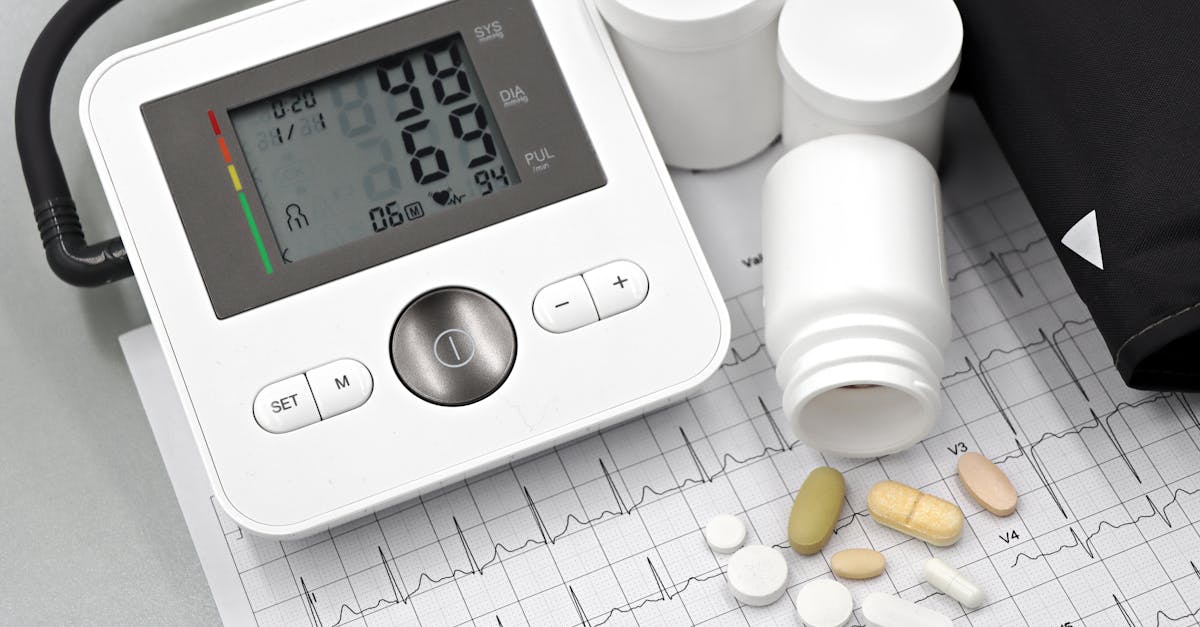
Remote patient monitoring is transforming care delivery in the US, offering cost savings and improved outcomes.
Remote patient monitoring (RPM) is swiftly transforming the landscape of healthcare delivery in the United States. Hospitals and healthcare providers are increasingly adopting these programs to enhance patient care, reduce costs, and improve outcomes. The COVID-19 pandemic accelerated the acceptance of RPM as a viable method to manage chronic conditions, monitor patient health continuously, and reduce unnecessary hospital visits.
The Role of CMS in RPM Expansion
The Centers for Medicare & Medicaid Services (CMS) has been pivotal in the expansion of RPM programs. By introducing new billing codes and reimbursement models, CMS has made it financially feasible for healthcare providers to implement RPM solutions. In 2020, CMS expanded coverage for RPM, allowing it to be billed under Medicare. This move encouraged more providers to adopt RPM technologies, as they could now receive compensation for services that were previously considered out-of-pocket expenses for patients.
The reimbursement changes have been particularly beneficial for patients with chronic conditions such as heart disease, diabetes, and chronic obstructive pulmonary disease (COPD). These conditions require regular monitoring, and RPM allows healthcare providers to keep track of patient health metrics in real-time, adjusting treatment plans as necessary without the need for in-person consultations.
Technological Innovations Driving Adoption
The rapid advancements in technology have also been a significant driver of RPM adoption. Wearable devices, smartphone apps, and advanced data analytics have made it possible to collect and interpret health data more efficiently. Companies like Apple, Fitbit, and Philips have developed sophisticated devices capable of monitoring vital signs such as heart rate, blood pressure, and glucose levels.
These technologies have not only improved the quality and accuracy of patient data but have also made it accessible to healthcare providers and patients alike. This accessibility empowers patients to take an active role in managing their health, a critical factor in improving long-term health outcomes.
Challenges and Regulatory Considerations
Despite its benefits, the expansion of RPM programs is not without challenges. Data privacy remains a major concern, with healthcare providers required to comply with the Health Insurance Portability and Accountability Act (HIPAA) to ensure patient information is protected. As RPM involves the transmission of sensitive health data over potentially unsecured networks, ensuring robust security measures is crucial.
Moreover, the integration of RPM data into existing electronic health records (EHRs) systems poses another significant hurdle. Interoperability between different healthcare systems and devices is necessary to create a seamless flow of information, and achieving this integration requires substantial investment in IT infrastructure.
The Food and Drug Administration (FDA) also plays a critical role in regulating medical devices used for RPM. Ensuring these devices meet safety and efficacy standards is essential for maintaining patient trust and ensuring positive health outcomes.
The Future of RPM in US Healthcare
The future of remote patient monitoring in the US looks promising. As healthcare continues to shift towards value-based care, RPM programs are likely to become an integral part of the healthcare delivery model. The ability to provide continuous, real-time monitoring of patient health can lead to more personalized care, early detection of potential health issues, and overall better management of chronic conditions.
Healthcare providers, technology companies, and policymakers must collaborate to address the challenges of data privacy, integration, and regulatory compliance. By doing so, they can ensure that RPM remains a reliable and effective tool in improving patient care.
As RPM technologies continue to evolve, they present a unique opportunity to redefine patient engagement and care delivery, ultimately leading to a more efficient and effective healthcare system in the United States.