
Rashtriya Bal Swasthya Karyakram 2026 screening updates
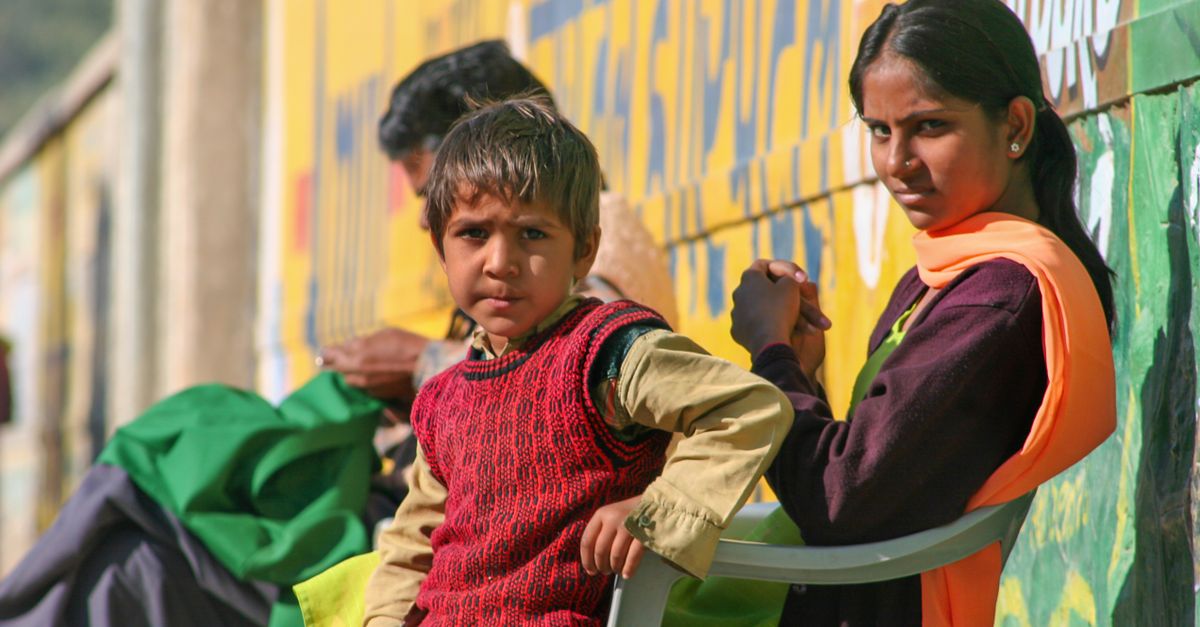
Rashtriya Bal Swasthya Karyakram 2026 enhances child health screenings.
The Rashtriya Bal Swasthya Karyakram (RBSK) is a pivotal initiative by the Government of India aimed at addressing the health and nutritional needs of children across the country. As part of the 2026 updates, the program is set to enhance its screening processes to better identify and treat various health conditions among children. This article provides an overview of the latest developments and updates concerning children's health initiatives as outlined by the RBSK.
Latest Developments in Rashtriya Bal Swasthya Karyakram 2026
The Rashtriya Bal Swasthya Karyakram 2026 has introduced several significant updates aimed at improving the screening and treatment of children aged 0-18 years. One of the latest developments includes the integration of a comprehensive digital database that records the health metrics of participating children. This database is designed to facilitate real-time monitoring and analysis, helping health workers and policymakers make informed decisions regarding resource allocation and intervention strategies.
Moreover, the RBSK has expanded its framework to include mental health screenings as part of its overall health assessment. Recognizing the increasing prevalence of mental health issues among children, the program is equipping healthcare providers with necessary training and resources to identify and manage these conditions effectively. This shift in focus underscores the program's commitment to a holistic approach to child health and well-being, ensuring that mental health receives as much attention as physical health.
Furthermore, the RBSK is collaborating with various non-governmental organizations to enhance outreach efforts in rural and underserved communities. By leveraging local expertise and resources, these partnerships aim to improve accessibility and awareness surrounding child health screenings. Such collaborations are crucial for ensuring that the most vulnerable populations receive timely health interventions, thereby reducing health disparities across regions.
Key Screening Updates for Children's Health Initiatives 2026
The screening protocols under the Rashtriya Bal Swasthya Karyakram have been updated to include a more comprehensive checklist of health conditions. The 2026 updates highlight the introduction of screening for non-communicable diseases (NCDs) such as obesity, diabetes, and hypertension, in addition to the traditional focus on communicable diseases. This proactive approach aims to catch potential health issues early, thereby enabling timely interventions and better long-term outcomes for children.
In terms of methodology, the RBSK is now employing advanced technology in its screening processes. For instance, mobile health applications are being utilized to facilitate easier data collection and analysis. These applications not only streamline the documentation process but also provide health workers with access to educational materials and guidelines to improve their screening techniques. This technological integration is seen as a significant step forward in modernizing public health initiatives.
Finally, the program has placed a strong emphasis on parental involvement in the screening process. Educating parents about the importance of regular health check-ups and screenings is a crucial component of the RBSK's strategy. Workshops and community events are being organized to empower parents with knowledge about child health, encouraging them to take an active role in their children’s health and well-being.
The Rashtriya Bal Swasthya Karyakram 2026 represents a substantial step forward in child health initiatives in India. With updates focusing on comprehensive screening and a holistic approach to health, the program is poised to make a significant impact on children's health outcomes. As the initiative moves forward, continuous monitoring and community engagement will be essential in ensuring its success and sustainability. For parents and caregivers, staying informed about these developments can be pivotal in taking proactive steps towards their children's health.