
How Rapid Disease Detection is Transforming US Healthcare
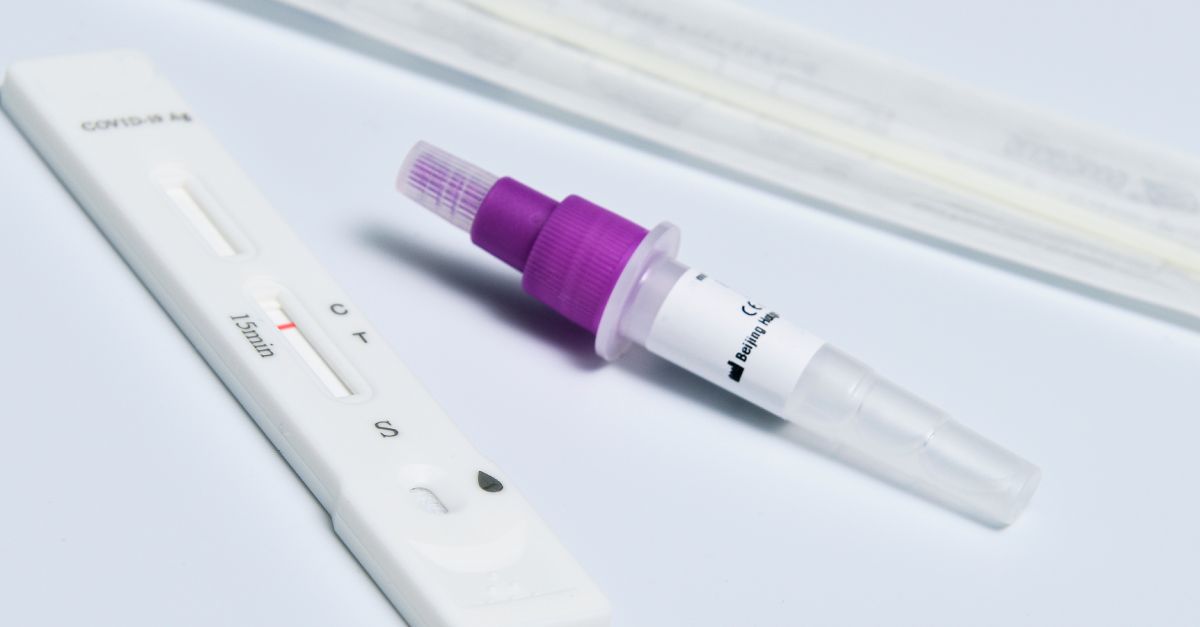
Rapid disease detection technologies are reshaping US healthcare, promising faster diagnoses and improved patient outcomes.
The landscape of disease detection in the United States is undergoing a transformative shift, driven by advancements in technology that promise faster, more accurate diagnostics. This evolution is not just a boon for patients but also a critical development for healthcare providers navigating the complexities of early intervention and treatment. With the Centers for Disease Control and Prevention (CDC) estimating that prompt diagnosis is key to controlling outbreaks, the surge in rapid diagnostic tools could be a game-changer for public health.
Why Speed Matters in Diagnostics
In the past, diagnosing diseases often required lengthy processes involving multiple visits, extensive lab work, and long waiting times for results. Today, the emphasis is on speed and accuracy. The Food and Drug Administration (FDA) has been at the forefront, approving novel diagnostic tools that significantly reduce the time from testing to diagnosis. For instance, molecular testing technologies can now deliver results in hours rather than days, which is crucial during outbreaks of infectious diseases like COVID-19 or influenza.
This acceleration in diagnostic capabilities is not solely about convenience; it is about improving patient outcomes. Early detection often means early treatment, which can reduce the severity of illness and lower healthcare costs. This is particularly pertinent for conditions like sepsis, where rapid detection can be the difference between life and death.
The Role of Technology in Revolutionizing Diagnostics
Technological advancements are at the heart of this rapid shift. Companies like Cepheid and Abbott Laboratories have developed point-of-care testing systems that bring the lab to the patient, offering immediate results. These innovations are supported by the National Institutes of Health (NIH), which funds research into next-generation diagnostic tools. Such support underscores the importance of technology in improving healthcare delivery.
AI and machine learning also play a pivotal role. Algorithms capable of analyzing vast datasets can identify disease markers that are invisible to the human eye. This capability enhances the accuracy of diagnostics, reducing the chances of false positives or negatives. Importantly, these technologies are increasingly being integrated into standard practice within hospital systems across the country.
Regulatory and Financial Considerations
The integration of rapid diagnostic tools into the US healthcare system is not without its challenges. Regulatory bodies like the FDA are tasked with ensuring these technologies are not only effective but also safe for widespread use. The approval process, while stringent, is designed to protect patients and ensure the reliability of new diagnostic methods.
Financial considerations are also crucial. Medicare and Medicaid reimbursement policies need to adapt to cover these new diagnostic tests, ensuring they are accessible to all patients, regardless of economic status. The Affordable Care Act (ACA) has provisions that support the use of preventive services, which may include rapid diagnostics, but continuous advocacy is necessary to expand coverage and keep up with technological advances.
Implications for Public Health and Healthcare Providers
The benefits of rapid disease detection extend beyond individual patient care to broader public health implications. Faster diagnostics mean healthcare providers can more effectively manage infectious disease outbreaks, minimizing the spread and impact on communities. This is vital in densely populated urban areas where diseases can spread rapidly.
For healthcare providers, particularly in emergency and urgent care settings, these tools can streamline operations and improve patient throughput. Hospitals can allocate resources more efficiently, addressing the most critical cases without unnecessary delays. As healthcare systems continue to embrace these technologies, training and adaptation will be essential to maximize their potential.
Looking ahead, the integration of rapid disease detection technologies into the US healthcare system presents a promising outlook. As these tools become more sophisticated and widely adopted, they hold the potential to significantly enhance the quality of care and contribute to better health outcomes nationwide.