
Radiologists Struggle to Identify AI-Generated Images, Accuracy at 75%
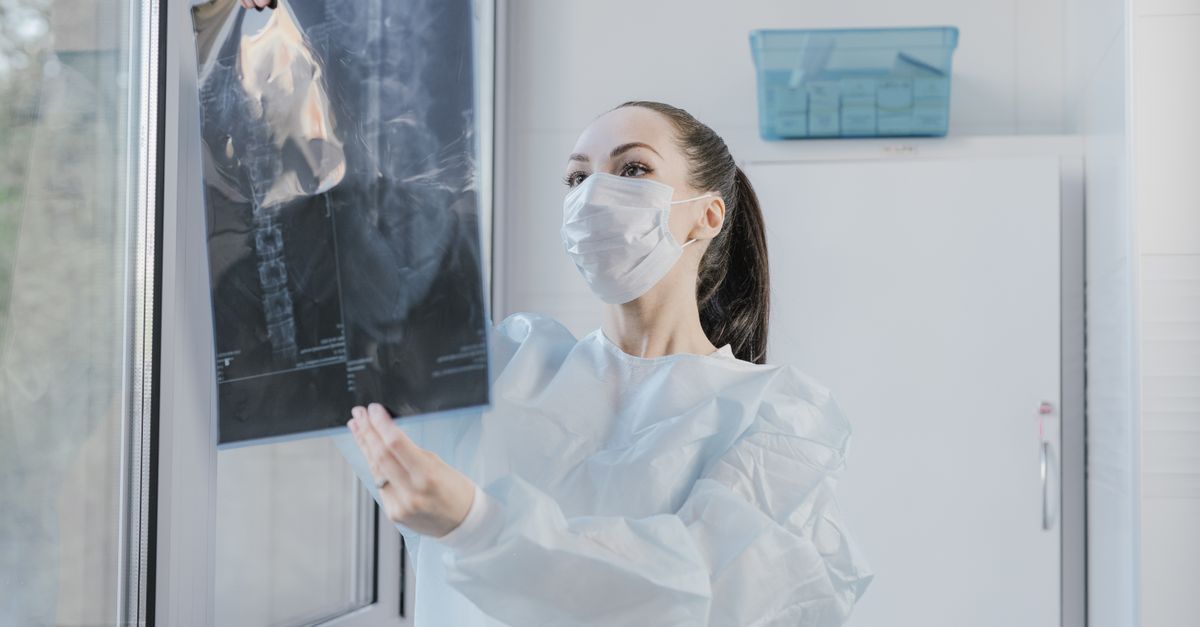
A study reveals radiologists correctly identified only 75% of AI-generated images, raising concerns about AI's role in diagnostics.
In a revealing study, radiologists were found to correctly identify only 75% of images generated by artificial intelligence, according to findings published by the European Medical Journal (EMJ). This discovery has sparked discussions about the reliability of AI technology in medical diagnostics and the potential implications for patient care.
Study Highlights Challenges in AI Diagnostics
The study's results underscore a significant challenge in the integration of AI within the medical field. Despite advancements in AI technology, the ability of trained radiologists to differentiate between AI-generated images and real medical scans is not as high as anticipated. This raises questions about the readiness of AI tools for widespread clinical application.
Researchers involved in the study tested a group of radiologists, providing them with a mix of AI-generated and authentic medical images. The radiologists, despite their expertise, were only able to correctly identify 75% of the AI-generated images. This rate of accuracy indicates a gap in current AI systems’ ability to generate images that are easily distinguishable from real ones by professionals.
Implications for Patient Safety and Training
The findings have significant implications for patient safety and the training of medical professionals. If AI-generated images are increasingly used in diagnostics and treatment planning, the potential for misdiagnosis could rise unless radiologists receive additional training to improve their ability to recognize AI-generated content.
Furthermore, the study highlights the need for ongoing evaluation and improvement of AI technologies used in healthcare. As AI continues to evolve, ensuring that these systems are robust and reliable is crucial to maintaining high standards of patient care.
Future Directions in AI and Radiology
The medical community is now tasked with finding ways to enhance the accuracy of AI-generated images and improve radiologists' ability to interpret them. This may involve developing more sophisticated algorithms that produce images indistinguishable from real ones or enhancing the educational resources available to radiologists.
As the healthcare industry continues to embrace digital transformation, the integration of AI in medical diagnostics will likely expand. However, this study serves as a critical reminder of the importance of rigorous testing and validation of AI tools before they are fully integrated into clinical practice.
The study's findings are a call to action for both AI developers and healthcare providers to collaborate closely, ensuring that AI technologies are not only innovative but also safe and effective for use in medical environments.