
Puri Healthcare: Balancing Tourism and Pilgrimage Demands
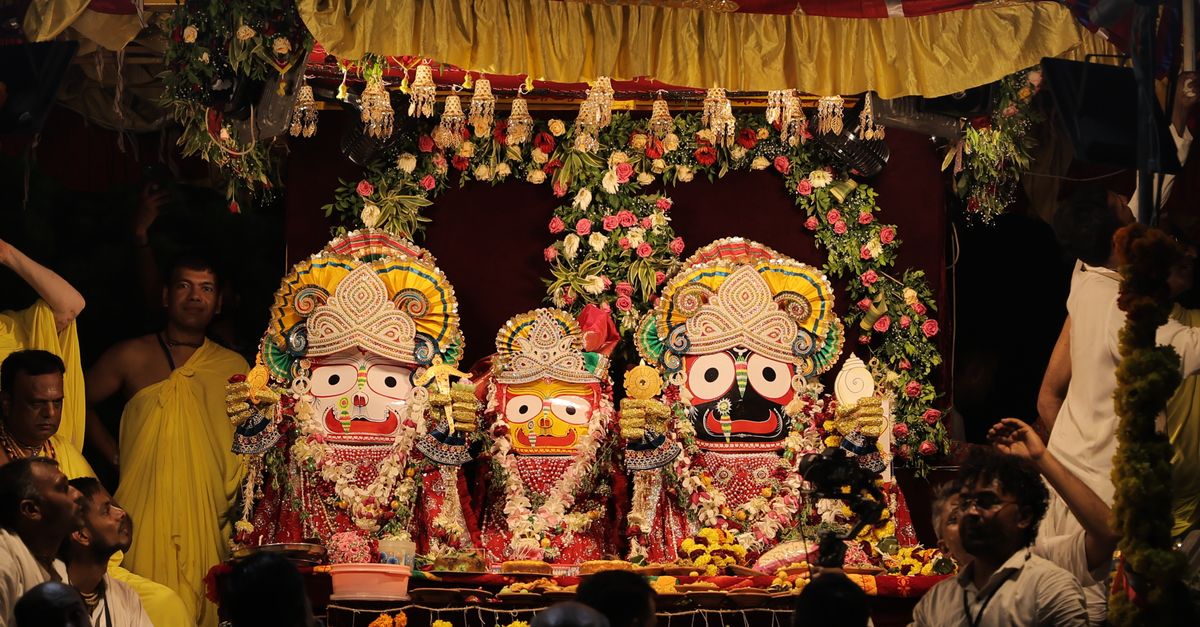
In Puri, healthcare challenges are magnified by its dual role as a tourist hotspot and a religious pilgrimage site.
Puri, the coastal city in Odisha, India, is renowned for its spiritual significance and as a vibrant tourist destination. Home to the famous Jagannath Temple, it attracts millions of devotees and tourists annually. As a result, Puri's healthcare infrastructure faces unique challenges and opportunities, balancing the needs of its residents with those of transient visitors.
The Dual Demands on Puri's Healthcare System
The influx of visitors, peaking during the annual Rath Yatra festival, puts a strain on Puri's healthcare facilities. The city accommodates millions of pilgrims in a short span, significantly increasing the demand for medical services. The challenge lies in providing adequate healthcare to both the permanent population of approximately 200,000 and the transient tourist population.
Puri's main healthcare facilities, such as the District Headquarters Hospital, are often stretched to their limits. These institutions must be prepared for a wide range of medical issues, ranging from common ailments to emergencies, often exacerbated by overcrowding and limited resources.
Innovative Solutions to Healthcare Challenges
To address these challenges, Puri has been adopting innovative healthcare strategies. The Odisha state government has initiated several programs aimed at enhancing healthcare delivery in the city. Notably, the introduction of mobile medical units has been pivotal. These units travel to densely populated and remote areas, offering medical check-ups and distributing medicines to those in need.
The integration of telemedicine services has also been a game-changer. These services allow for remote consultations, reducing the burden on local healthcare facilities and providing access to specialized care that might otherwise be unavailable in a city of Puri's size.
Community Health Initiatives
Local NGOs and community health initiatives play a crucial role in supporting Puri’s healthcare system. Organizations such as the Red Cross and local trusts conduct regular health camps, focusing on preventive healthcare and awareness programs. These initiatives are essential in managing the health of the community, especially during peak tourist seasons when resources are stretched thin.
Additionally, the involvement of community health workers has been instrumental in bridging the gap between healthcare providers and the local populace. These workers often serve as the first point of contact in rural and underprivileged areas, offering basic healthcare services and educating the community on health and hygiene practices.
The Role of Technology in Enhancing Healthcare Delivery
Technology has been an ally in Puri’s efforts to improve healthcare accessibility and efficiency. The implementation of electronic health records (EHR) systems has streamlined patient data management, facilitating better coordination among healthcare providers and improving patient outcomes.
Moreover, the use of health apps and online platforms has empowered residents and tourists alike to access healthcare information and services. These digital tools are particularly useful in managing non-communicable diseases and ensuring continuity of care for chronic conditions.
Looking Ahead: Sustaining Healthcare Amidst Growing Demands
As Puri continues to grow as a major tourist and pilgrimage hub, the pressure on its healthcare infrastructure will persist. Sustainable development of healthcare facilities, alongside innovative solutions and community involvement, will be crucial in meeting the diverse needs of its population.
The city’s approach could serve as a model for other regions worldwide that face similar challenges. Puri's success in managing healthcare demands amidst its unique demographic pressures illustrates the impact of adaptive strategies and community engagement in fostering resilient healthcare systems.