
Pune Medical Team Saves 3-Year-Old After Severe Burns and Cardiac Arrest
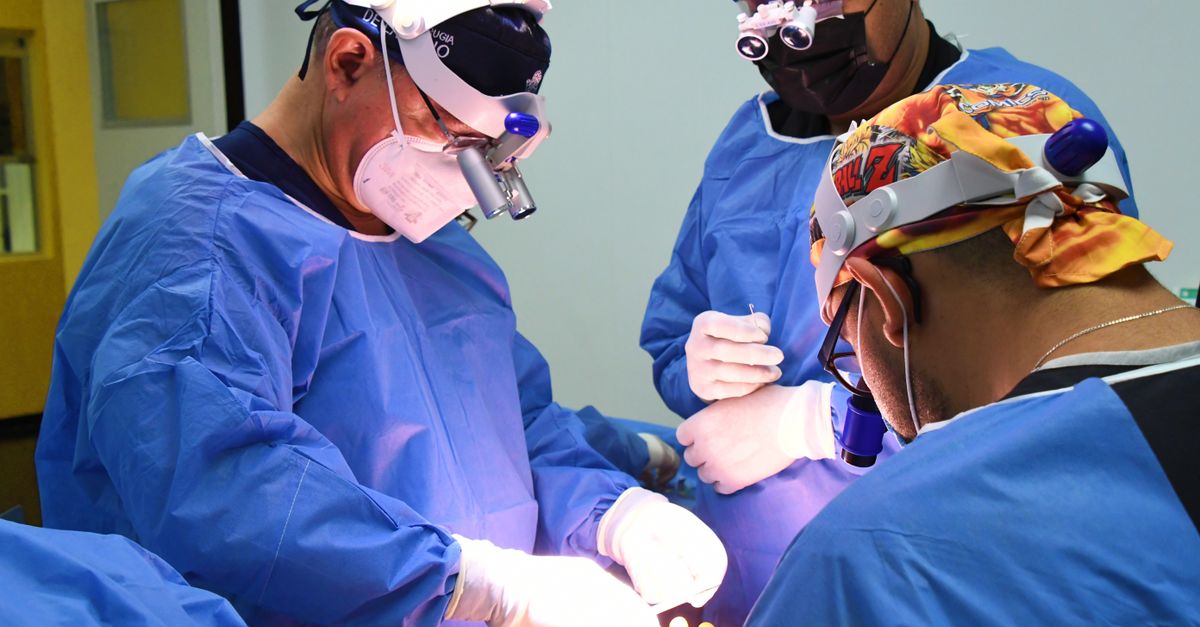
A toddler in Pune makes a miraculous recovery from 60% burns and a cardiac event thanks to high-tech critical care and specialized pediatric intervention.
A High-Stakes Medical Emergency
In a remarkable feat of pediatric medicine, a three-year-old child in Pune has successfully recovered following a life-threatening accident involving hot liquid. The toddler was rushed to emergency care after falling into a boiling substance, resulting in deep burns covering 60% of their body. The severity of the thermal injuries led to a critical systemic failure, culminating in a cardiac arrest shortly after the incident.
The case highlights the extreme vulnerability of pediatric patients to thermal trauma, where the loss of skin integrity rapidly leads to fluid imbalance, infection risks, and cardiovascular collapse. For this young patient, the immediate prognosis was grim, requiring an immediate and highly coordinated medical response to restore vital functions.
Advanced Critical Care Intervention
Upon arrival at the medical facility, the pediatric intensive care unit (PICU) team initiated a multi-phase resuscitation protocol. The primary challenge was managing the immediate aftermath of the cardiac arrest. Medical professionals utilized advanced life support techniques to stabilize the child’s heart rhythm while simultaneously addressing the massive fluid loss characteristic of 60% surface area burns.
To manage the patient's condition, doctors employed specialized hemodynamic monitoring to ensure that vital organs received adequate perfusion. The clinical team had to balance aggressive fluid resuscitation with the risk of pulmonary edema, a common complication in severe burn cases. This delicate stabilization phase was critical in bridging the gap between the initial trauma and the long-term recovery process.
Specialized Burn Management and Infection Control
Once the patient was cardiovascularly stable, the focus shifted to wound management and the prevention of sepsis. Deep burns of this magnitude destroy the body’s primary barrier against pathogens. The medical team utilized advanced wound dressings and specialized topical treatments to promote healing and minimize scarring.
In addition to local wound care, the child underwent several rounds of debridement—a surgical process to remove dead or infected tissue. This was paired with a rigorous nutritional support plan, as the metabolic demands of a recovering burn patient are significantly higher than normal. High-protein, high-calorie intake was essential to provide the biological building blocks necessary for skin regeneration and immune function.
The Path to Recovery
The recovery of the three-year-old is being hailed as a success story for Pune’s healthcare infrastructure. After weeks of intensive monitoring, the child showed signs of significant improvement. The cardiac function stabilized, and the extensive skin grafts and wound care treatments began to take hold.
Physiotherapy and psychological support also played a role in the latter stages of the hospital stay. Pediatric burn recovery involves not just physical healing but also ensuring the child regains mobility and overcomes the trauma of the accident. The multidisciplinary approach—combining cardiology, plastic surgery, and pediatric intensive care—was the cornerstone of this successful outcome.
Implications for Pediatric Emergency Care
This case serves as a vital reminder of the importance of specialized pediatric burn units. Children require different physiological management than adults, particularly regarding fluid ratios and drug dosages. The successful intervention in Pune underscores the evolution of critical care technology in India, where even the most severe cases of thermal injury and secondary cardiac events can now be managed with positive outcomes.
Medical experts continue to emphasize the importance of immediate first aid for burns, such as using room-temperature running water, while stressing that professional medical intervention is the only way to manage deep tissue damage and systemic shock.