
Psilocybin Shows Potential in NHS Trial for Depression
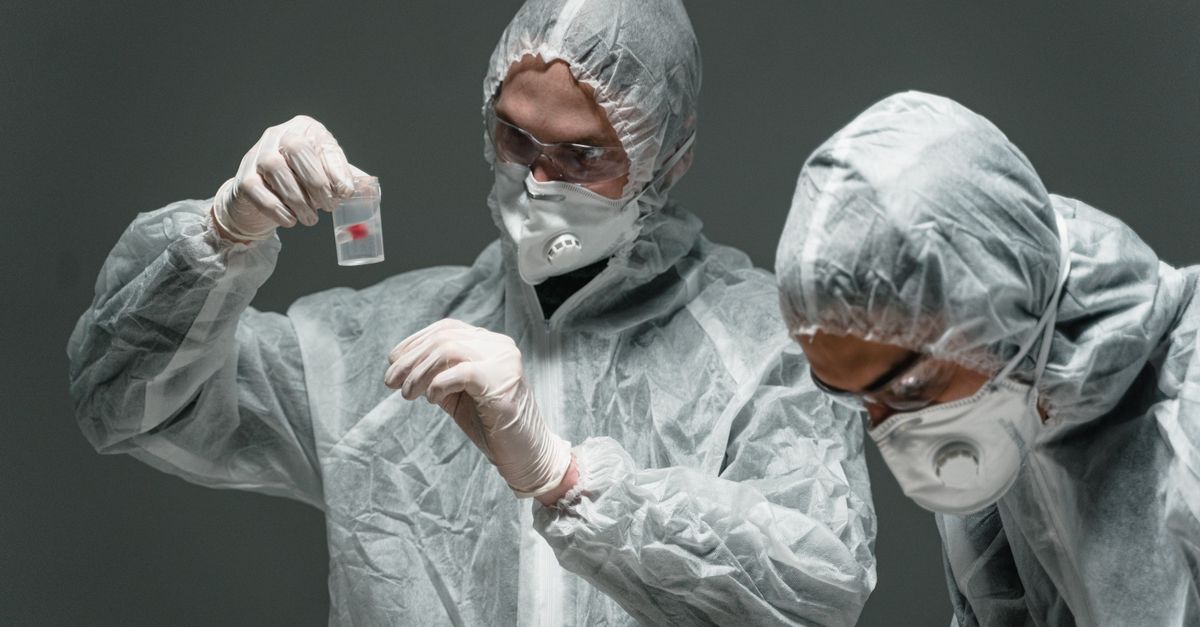
A single dose of psilocybin may help patients with treatment-resistant depression, a new NHS trial suggests.
In a groundbreaking trial conducted by the National Health Service (NHS), a single dose of psilocybin, a psychedelic compound, has shown promise in alleviating symptoms of treatment-resistant depression. This trial marks a significant step in exploring alternative treatments for patients who have not responded to traditional antidepressants.
Details of the NHS Trial
The trial involved participants who had previously failed to find relief from depression despite trying multiple conventional therapies. These individuals were administered a carefully controlled dose of psilocybin in a clinical setting, under professional supervision. The study aims to assess the safety and efficacy of psilocybin as a potential therapeutic option.
Preliminary results have been encouraging, with several participants reporting a noticeable reduction in depressive symptoms following the single-dose treatment. The trial's success may pave the way for larger studies and eventually integrate psilocybin into mainstream treatment protocols for depression.
Psilocybin's Mechanism of Action
Psilocybin is a naturally occurring psychedelic compound found in certain species of mushrooms. It has been the subject of increasing research interest due to its potential mental health benefits. Once ingested, psilocybin is converted into psilocin, which interacts with serotonin receptors in the brain, potentially leading to altered perception and mood.
Researchers believe that psilocybin's impact on the brain's neural networks could help reset or rewire circuits that contribute to persistent depressive states. This novel approach contrasts with traditional antidepressants, which typically require daily dosing and can take weeks to show effects.
Implications for Mental Health Treatment
The NHS trial adds to a growing body of evidence supporting the therapeutic use of psychedelics in mental health care. If further studies confirm these findings, psilocybin could become a viable treatment option for the millions of people worldwide struggling with depression that does not respond to existing medications.
However, experts caution that more research is needed to fully understand the long-term effects and optimal therapeutic protocols for psilocybin use. Regulatory approval processes will also play a crucial role in determining how quickly this treatment could be made widely available.
As the mental health crisis continues to escalate globally, innovative treatments like psilocybin offer hope for those who have exhausted conventional options. The NHS trial represents a significant step forward in exploring such possibilities, potentially reshaping the future landscape of mental health treatment.