
Processed Foods: Unpacking the Health Risks and Realities
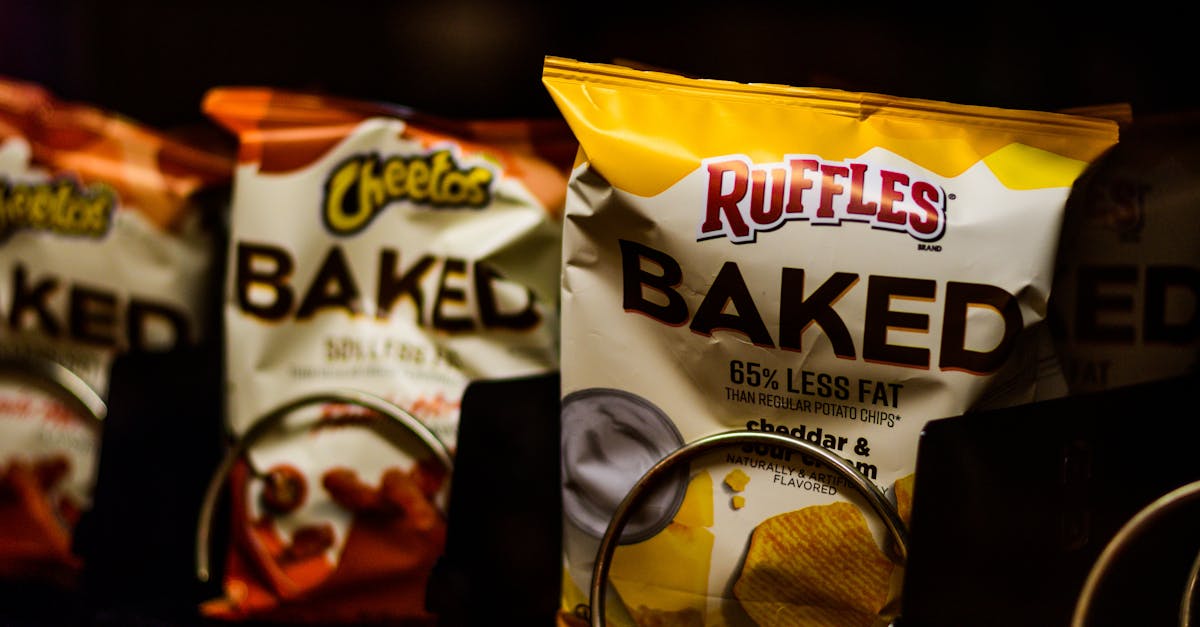
Explore the complex impact of processed foods on health, dissecting misconceptions and presenting real data.
Processed foods have become a staple in the modern diet, often available at the convenience of a quick purchase. However, these foods come with a complex set of health implications that are often misunderstood or oversimplified. From the aisles of the grocery store to our kitchen tables, understanding the truth about processed foods is crucial for making informed dietary choices.
Understanding What 'Processed' Means
When we talk about processed foods, it's essential to clarify what this term encompasses. According to the United States Department of Agriculture (USDA), processed foods are those that have been altered from their natural state for safety reasons or convenience. This can include anything from canned vegetables to breakfast cereals and frozen meals. The spectrum of processing ranges from minimally processed items, like bagged spinach, to heavily altered products, such as snack cakes.
The level of processing significantly impacts the nutritional value of food. Minimal processing can retain most of the food's original nutrients, while heavy processing often involves adding unhealthy levels of sodium, sugars, and fats, which can be detrimental to health.
The Nutritional Trade-Offs
One of the primary health concerns associated with processed foods is their nutritional content. Often, these foods are high in calories and low in essential nutrients. For example, a study published in Nutrition Journal highlighted that individuals consuming diets rich in ultra-processed foods tend to have lower intakes of vitamins A, C, and D, as well as minerals like calcium and magnesium.
Moreover, processed foods frequently contain additives such as preservatives, flavor enhancers, and artificial colors, which can pose health risks. While these additives are generally recognized as safe by food regulatory agencies, their long-term health effects remain a subject of ongoing research.
Health Risks Tied to Processed Foods
Regular consumption of heavily processed foods is linked to several health issues. A pivotal study from the British Medical Journal in 2019 found that high consumption of ultra-processed foods was associated with an increased risk of cardiovascular disease and premature death. This is largely due to high levels of unhealthy fats, sugars, and sodium, which contribute to conditions like obesity, hypertension, and diabetes.
Furthermore, research has suggested that certain processed meats, such as bacon and sausages, contain nitrates and nitrites that may increase the risk of cancer. The World Health Organization has classified processed meat as a Group 1 carcinogen, indicating sufficient evidence that it can cause cancer in humans, particularly colorectal cancer.
Why Processed Foods Persist
Despite these health concerns, processed foods continue to dominate the market due to their convenience, affordability, and long shelf life. For many, they offer a quick solution in an era where time is often limited. Additionally, aggressive marketing strategies by food manufacturers play a significant role in shaping consumer preferences and eating habits.
Economic factors also contribute to the prevalence of processed foods. They are often cheaper than fresh, whole foods, making them a more accessible option for low-income households. This presents a public health challenge as it exacerbates nutritional disparities and health inequalities.
Moving Towards Healthier Choices
Reducing the intake of processed foods begins with awareness and education about their potential health impacts. Consumers can start by reading labels to identify and avoid high sodium, sugar, and unhealthy fat content. Emphasizing whole foods such as fresh fruits, vegetables, lean proteins, and whole grains can significantly improve diet quality.
Governmental and institutional interventions are also crucial. Policies that promote healthy eating through subsidies for fresh produce and restrictions on marketing unhealthy foods to children can foster healthier dietary patterns. As Dr. Marion Nestle, a renowned nutritionist, suggests, "The best advice for eating healthfully is to choose foods that are as close to their natural state as possible."
The journey to healthier eating is ongoing, with processed foods remaining a significant part of the discussion. By scrutinizing the realities of processed foods, individuals can make better dietary choices, contributing to improved overall health.