
Proactive Tele-ICU Models Transform Critical Care Practices
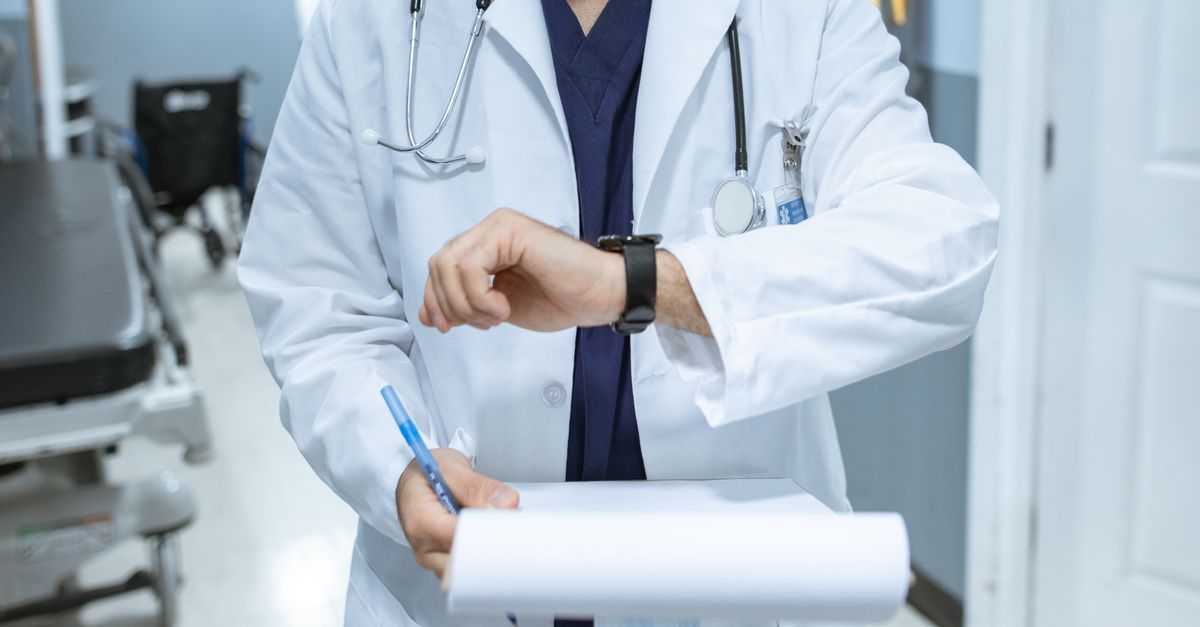
Tele-ICU models are revolutionizing critical care by enhancing patient monitoring and clinician collaboration.
In a move set to redefine the landscape of critical care, proactive tele-ICU models are gaining traction in healthcare facilities worldwide. These advanced systems are not only improving patient monitoring but also enhancing the collaborative efforts of healthcare teams, leading to better outcomes in intensive care units (ICUs).
Enhancing Patient Monitoring
The integration of tele-ICU technology allows for continuous patient monitoring, providing real-time data to remote specialists who can intervene promptly when needed. This proactive approach ensures that subtle changes in a patient's condition are detected early, potentially preventing complications.
Advanced analytics and AI-driven insights are central to these systems, enabling healthcare providers to predict patient deterioration and respond swiftly. The immediacy of data access and analysis helps in making informed decisions, which is crucial in critical care settings.
Improving Clinical Collaboration
Tele-ICU models foster improved communication among healthcare providers. By connecting ICU teams with specialists across various locations, these systems ensure that expertise is readily available regardless of geographical barriers. This networked approach enhances decision-making processes and facilitates the delivery of specialized care.
In addition to real-time consultations, tele-ICU platforms offer educational resources and support for on-site staff. This continuous learning environment empowers clinicians to stay updated on best practices and innovations in critical care.
Challenges and Opportunities
While the benefits of tele-ICU models are evident, the implementation of such systems is not without challenges. The initial cost of technology infrastructure and the need for robust internet connectivity can be barriers for some institutions. Moreover, ensuring data security and patient privacy remains a top priority.
Despite these challenges, the potential for tele-ICU models to improve patient outcomes and optimize resource allocation presents significant opportunities for the healthcare industry. As technology advances and becomes more accessible, the adoption of tele-ICU systems is expected to grow, paving the way for more comprehensive and efficient critical care services.
As healthcare providers continue to adapt to the demands of modern medicine, proactive tele-ICU models stand out as a promising solution for enhancing the quality and effectiveness of intensive care.