
Prioritizing Women's Preventive Screenings for Lifelong Health
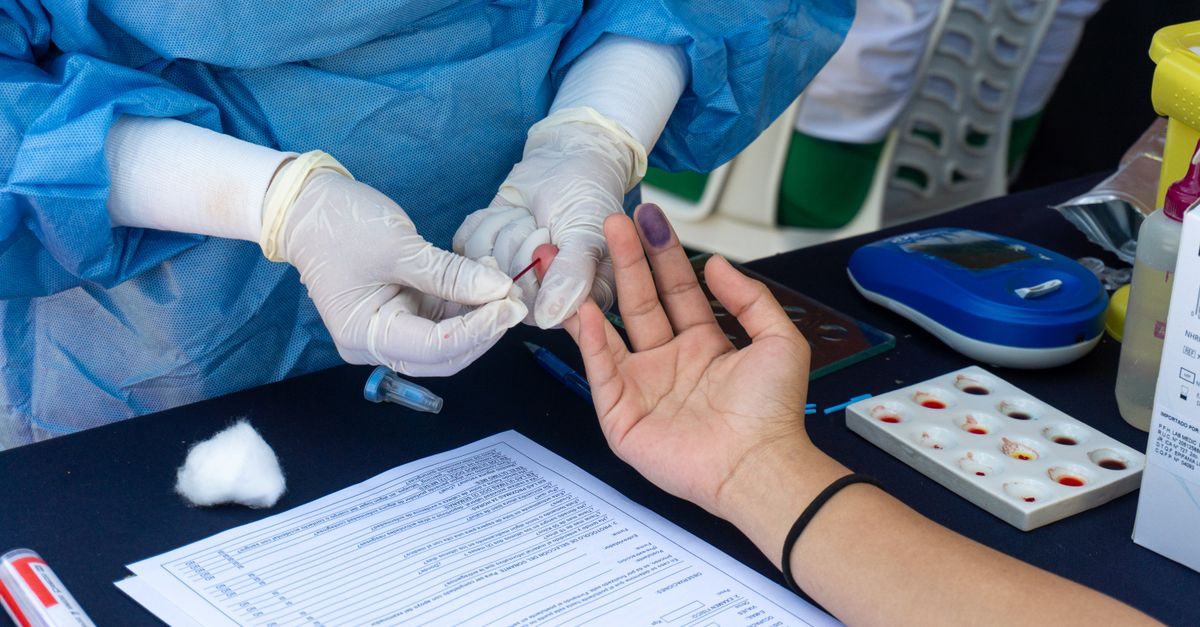
Women's preventive screenings are vital for early detection and long-term health. Learn how these screenings can impact women's lives at every stage.
Preventive healthcare is the cornerstone of lifelong health, especially for women who face unique medical challenges at different life stages. From adolescence through post-menopause, regular screenings can detect potential health issues before they escalate into serious conditions. The emphasis on women's preventive screenings is not merely about early detection but also about empowering women with informed choices about their health.
Why Early Screening Matters
Early screening can be lifesaving, particularly when it comes to conditions like breast and cervical cancer. The Centers for Disease Control and Prevention (CDC) recommends that women start mammograms at age 50 and continue every two years until 74, though some may need to start earlier based on family history or personal risk factors. Similarly, Pap smears for cervical cancer should begin at age 21 and continue every three years, with HPV testing added from age 30.
Early detection of these conditions often leads to more treatment options and better outcomes. According to the American Cancer Society, the five-year survival rate for breast cancer, when detected early, is about 99%. These statistics underscore the importance of adhering to screening schedules, tailored to individual risk profiles.
Addressing Barriers to Regular Screenings
Despite the clear benefits, many women face barriers to accessing regular screenings. These can include lack of insurance, geographical challenges, and cultural or language barriers. The Affordable Care Act has helped by requiring most insurance plans to cover preventive services without a co-pay, but gaps remain.
Healthcare providers and policymakers must work together to address these barriers. Mobile screening units, community health outreach programs, and educational campaigns can help bridge these gaps. By making screenings more accessible and educating women on their importance, we can increase participation rates and improve health outcomes.
Expanding the Range of Screenings
While cancer screenings are well-publicized, other preventive tests are also crucial for women's health. Bone density tests, for instance, become vital as women age, with osteoporosis posing significant risks post-menopause. The National Osteoporosis Foundation suggests that all women over 65 should receive bone density screenings, and younger women with risk factors should also be tested.
Cholesterol screenings, blood pressure checks, and diabetes screenings are also important for women of various ages. These tests help manage risks for cardiovascular diseases, which remain the leading cause of death among women in the United States.
The Role of Healthcare Providers
Healthcare providers play an essential role in guiding women through their preventive health journey. Regular check-ups with a trusted provider can ensure that women receive the appropriate screenings at the right times. Providers must also engage in open discussions about lifestyle factors such as diet, exercise, and smoking, which significantly impact health outcomes.
Moreover, providers should stay informed about the latest screening guidelines and educate their patients accordingly. Personalized risk assessments and shared decision-making can ensure that women feel supported and confident in their health choices.
Looking Ahead: A Lifelong Commitment
Preventive screenings are not a one-time event but a lifelong commitment to health. As medical research evolves, screening guidelines may change, requiring women and their healthcare providers to remain vigilant and adaptable. The ultimate goal is to foster a proactive rather than reactive approach to healthcare, ensuring that women can lead healthier, longer lives.
"Preventive care is the best care," says Dr. Emily Johnson, a leading advocate for women's health. "When women are informed and empowered, their families and communities benefit as well." By prioritizing preventive screenings, we lay the groundwork for a healthier future for all.