
Precision Psychiatry: A New Era in Global Mental Health Care
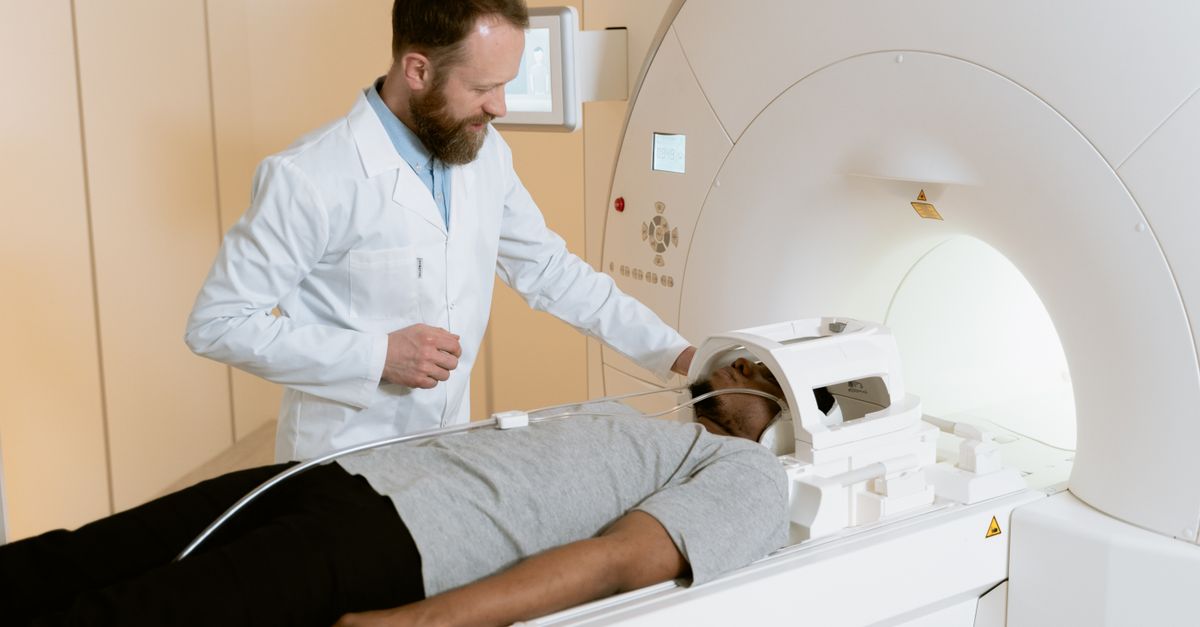
Precision psychiatry offers tailored treatments in mental health, promising a transformative impact on patient care globally.
The field of mental health is witnessing a groundbreaking shift with the introduction of precision psychiatry, a novel approach that aims to tailor treatments based on individual patient profiles. This concept, which is gaining traction globally, holds the promise of revolutionizing how mental health disorders are diagnosed and treated.
Personalized Treatment Strategies
Precision psychiatry seeks to move away from the traditional one-size-fits-all approach in mental health care. By leveraging data such as genetic, environmental, and lifestyle factors, this method aims to create personalized treatment plans. The objective is to improve the efficacy of interventions and reduce the trial-and-error period often associated with psychiatric treatments.
Experts believe that by understanding the unique biological and psychosocial factors that contribute to mental health disorders, clinicians can better predict treatment responses and tailor interventions accordingly. This could lead to more effective management of conditions such as depression, anxiety, and schizophrenia.
Technological Advancements Driving Change
Advancements in technology, particularly in genomics and data analytics, are fueling the development of precision psychiatry. Researchers are increasingly able to identify biomarkers that can predict an individual's response to specific treatments. This could significantly enhance the precision of psychiatric diagnoses and the personalization of therapies.
Moreover, the integration of artificial intelligence in analyzing complex data sets is providing new insights into mental health patterns, enabling more accurate predictions about disease progression and treatment outcomes. These innovations are expected to lead to significant improvements in patient care and outcomes.
Global Implications and Challenges
The implementation of precision psychiatry has the potential to transform mental health care on a global scale. By offering more targeted and effective treatments, it could reduce the burden of mental health disorders worldwide. However, there are challenges to be addressed, including ethical considerations, data privacy concerns, and the need for robust healthcare infrastructure to support such personalized approaches.
Despite these challenges, the global mental health community is optimistic about the future of precision psychiatry. As research progresses and technologies continue to evolve, this approach is expected to play a critical role in improving mental health outcomes for diverse populations around the world.