
Pioneering Organ Transplant Technique Aims to Eliminate Anti-Rejection Drugs
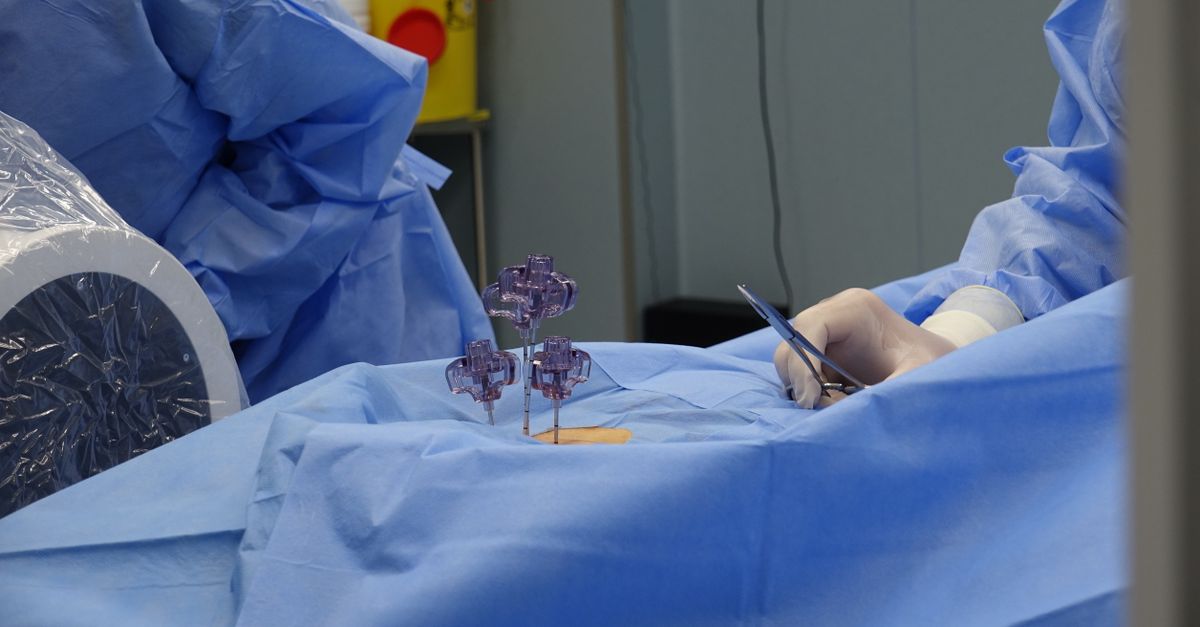
A groundbreaking liver transplant using donor stem cells could eliminate the need for anti-rejection drugs.
A groundbreaking organ transplant technique has been performed on a human subject for the first time, potentially revolutionizing the future of transplantation medicine. The procedure, which involved the use of stem cells from a donor, was conducted with the hope of eliminating the need for lifelong anti-rejection medication.
Stem Cells from Donor to Patient
The innovative procedure was performed on a patient who received a liver transplant from her sister. In this first-of-its-kind approach, stem cells were also transplanted from the donor to the recipient. The goal is to induce immune tolerance in the recipient's body, thereby reducing or completely eliminating the necessity for toxic anti-rejection drugs, which are typically required to prevent the immune system from attacking the transplanted organ.
Anti-rejection drugs, while effective, come with a host of side effects and long-term health risks, including increased susceptibility to infections and certain types of cancer. By using donor stem cells, doctors hope to train the recipient's immune system to accept the new organ as its own, mitigating these risks.
Potential Impact on Transplant Medicine
This procedure marks a significant milestone in transplant medicine, offering hope for improved quality of life for transplant recipients. The traditional reliance on anti-rejection drugs has long been a burden for patients, often leading to a lifelong regime of medication with serious side effects. By potentially eliminating the need for these drugs, the new technique could reduce healthcare costs and improve patient outcomes.
Experts in the field are closely monitoring the results of this pioneering procedure. If successful, it could pave the way for similar techniques in other types of organ transplants, such as kidney or heart, thereby broadening the scope of its impact on transplant medicine.
Future Prospects and Challenges
While this innovative approach holds promise, it is still in its early stages. The long-term effects and potential risks of using donor stem cells in human subjects are yet to be fully understood. Researchers will need to conduct extensive follow-up studies to assess the viability and safety of this technique before it can become a standard practice.
The medical community is optimistic that this technique could lead to a new era in transplantation, where the body naturally accepts transplanted organs without the need for toxic medications. However, the success of this procedure will depend on careful monitoring and further research to ensure its efficacy and safety.
This pioneering effort represents a significant step towards reducing the burden of transplantation on patients and healthcare systems alike, heralding a potential shift in how organ transplants are approached in the future.