
Personalized Cancer Vaccines: A New Frontier in Oncology
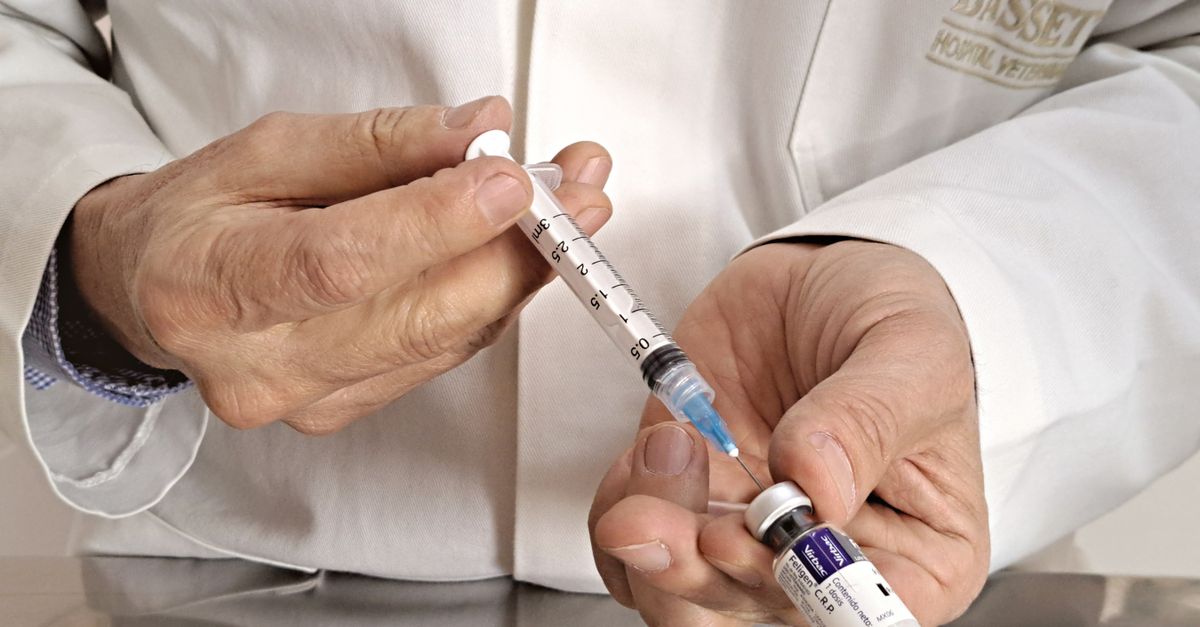
Personalized cancer vaccines harness unique tumor markers to revolutionize treatment, offering hope for targeted, effective cancer therapies.
In the realm of oncology, personalized cancer vaccines are emerging as a promising innovation, potentially transforming how cancer is treated. Unlike traditional vaccines that prevent disease, these vaccines aim to treat cancer by harnessing the body's immune system to target and destroy cancer cells. By tailoring the vaccine to the unique genetic makeup of an individual's tumor, researchers hope to achieve more effective and targeted treatment outcomes.
Understanding the Mechanism
The core concept of personalized cancer vaccines revolves around neoantigens, which are unique proteins found on the surface of cancer cells. These neoantigens arise from genetic mutations during cancer development and are not present in normal cells. By identifying these unique markers, scientists can create a vaccine that trains the immune system to recognize and attack cancer cells without harming healthy tissue.
The process begins with sequencing the DNA of a patient's tumor to identify its specific mutations. Bioinformatics tools then predict which mutations are likely to produce neoantigens that can effectively stimulate an immune response. Once identified, these neoantigens are synthesized and incorporated into a vaccine, which is then administered to the patient.
Clinical Trials and Developments
Recent clinical trials have shown promising results, particularly in cancers with high mutation burdens such as melanoma and lung cancer. At the forefront of this research are institutions like the National Cancer Institute and companies like Moderna and BioNTech, which are adapting their mRNA technology, famously used in COVID-19 vaccines, to develop cancer vaccines.
In one notable study published in Nature, researchers demonstrated that a personalized vaccine could induce a strong immune response in melanoma patients, reducing the risk of relapse. Similarly, trials with personalized vaccines for non-small cell lung cancer are underway, with early results indicating potential improvements in patient survival rates.
Challenges and Considerations
Despite the promising potential, personalized cancer vaccines face several challenges. One significant hurdle is the time and cost involved in developing a vaccine tailored to each patient's unique tumor profile. The process of sequencing, identifying neoantigens, and manufacturing the vaccine is complex and resource-intensive.
Moreover, the variability in immune system responses among patients can affect the efficacy of the vaccine. Some individuals may not mount a strong enough immune response, necessitating further research into adjuvants or combination therapies that could enhance vaccine effectiveness.
Future Implications for Cancer Treatment
The development of personalized cancer vaccines represents a shift towards more individualized medicine, where treatments are tailored specifically to the genetic profile of the patient. This approach not only holds potential for improving treatment efficacy but also for reducing side effects, as healthy cells are less likely to be targeted.
As research progresses, the hope is that these vaccines could be integrated into standard cancer care, especially for cancers with high mutation rates. The personalized approach could be combined with other therapies, such as immune checkpoint inhibitors, to enhance overall treatment outcomes.
The landscape of cancer treatment is rapidly evolving, and personalized cancer vaccines are at the forefront of this transformation. As Dana-Farber Cancer Institute’s Dr. Catherine Wu aptly puts it, “We are moving towards a future where cancer treatment is tailored to each individual, offering hope for more effective and less toxic therapies.”