
Osteoporosis: The Silent Bone Disease
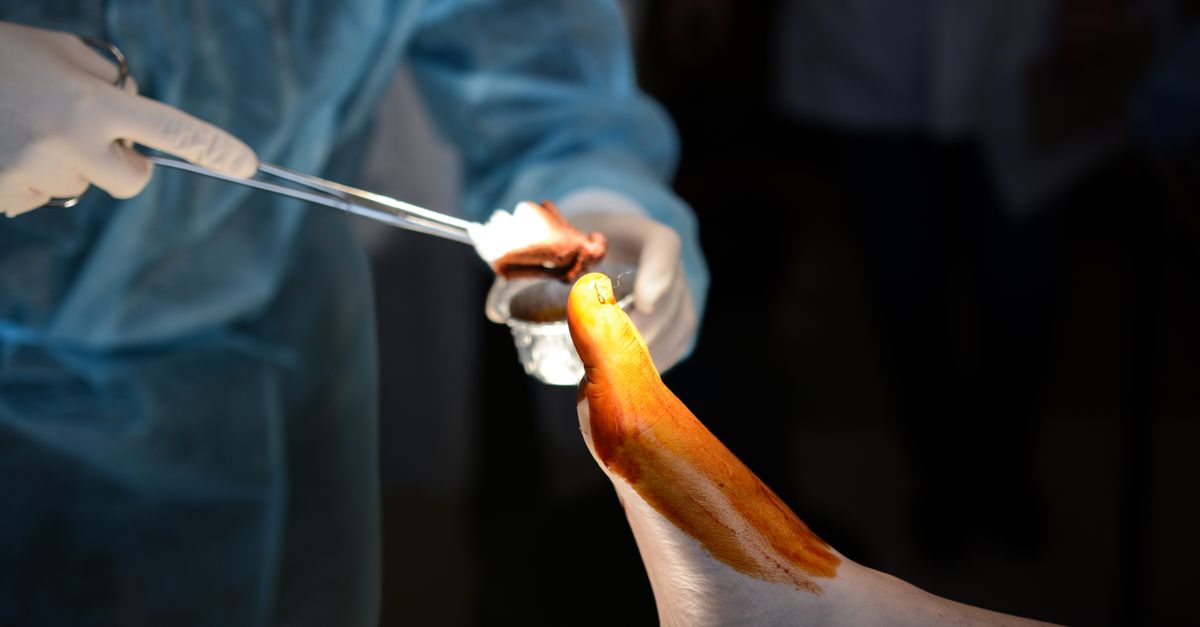
Osteoporosis quietly weakens bones, increasing fracture risk.
Osteoporosis, often dubbed "the silent bone disease," is a condition that affects millions worldwide, characterized by decreased bone density and increased susceptibility to fractures. While it may not present noticeable symptoms until a fracture occurs, understanding its causes, risk factors, and preventive strategies is crucial for effective management. In this article, we will explore the intricacies of osteoporosis, emphasizing its prevalence and the importance of awareness and prevention.
Understanding Osteoporosis: Causes and Risk Factors
Osteoporosis occurs when the body loses too much bone mass or fails to produce enough bone, leading to a significant reduction in bone density. This gradual process often starts unnoticed, making early detection challenging. Primary osteoporosis is most common and typically arises with aging, particularly in postmenopausal women due to the decline in estrogen levels. Secondary osteoporosis may result from certain medical conditions such as hyperthyroidism, or prolonged use of medications like corticosteroids, further complicating the landscape of this disease.
Several risk factors contribute to the development of osteoporosis. Age is a primary determinant, as bone density naturally declines with advancing years. Gender also plays a significant role; women are at a higher risk, especially after menopause, when hormonal changes accelerate bone loss. Other factors include hereditary predispositions, lifestyle choices such as diet and physical activity, and certain health conditions. For instance, an inadequate intake of calcium and vitamin D can lead to weaker bones, while sedentary behavior exacerbates the risk of developing this silent disease.
Moreover, smoking and excessive alcohol consumption have been linked to reduced bone density. Ethnic background also plays a part, with Caucasian and Asian populations showing higher susceptibility to osteoporosis. Awareness of these factors can empower individuals to make informed decisions about their bone health and take proactive steps to mitigate their risk.
Prevention Strategies for Osteoporosis: What You Need to Know
Preventing osteoporosis requires a multifaceted approach that combines nutrition, physical activity, and lifestyle adjustments. A diet rich in calcium and vitamin D is essential for maintaining optimal bone health. Dairy products, leafy greens, fatty fish, and fortified foods are excellent sources of these nutrients. Moreover, adequate protein intake is vital since protein supports bone structure. Consulting a healthcare professional or a nutritionist can help tailor dietary choices to individual needs.
Regular weight-bearing exercises play a crucial role in bone health. Activities such as walking, jogging, and resistance training stimulate bone formation and improve balance, reducing the risk of falls that lead to fractures. The World Health Organization recommends at least 150 minutes of moderate-intensity aerobic activity each week, alongside muscle-strengthening activities on two or more days. Incorporating these exercises into daily routines can have long-term benefits for bone density and overall health.
In addition to diet and exercise, lifestyle modifications can further bolster prevention efforts. Avoiding tobacco and limiting alcohol consumption are critical steps in enhancing bone health. Regular health screenings and bone density tests, particularly for individuals at higher risk, are essential for early detection and management. By adopting a proactive approach to bone health, individuals can significantly reduce their risk of developing osteoporosis and its associated complications.
Osteoporosis remains a significant public health concern that requires greater awareness and proactive management. By understanding its causes, risk factors, and prevention strategies, individuals can take control of their bone health and improve their quality of life. Educational initiatives and community resources are essential in fostering a culture of health that prioritizes the prevention of osteoporosis and encourages individuals to seek professional guidance. As research continues to advance, the hope is that more effective strategies will emerge to combat this silent disease, ensuring healthier bones for generations to come.