
Organ Donation Awareness: Bridging the Gap Between Donors and Recipients
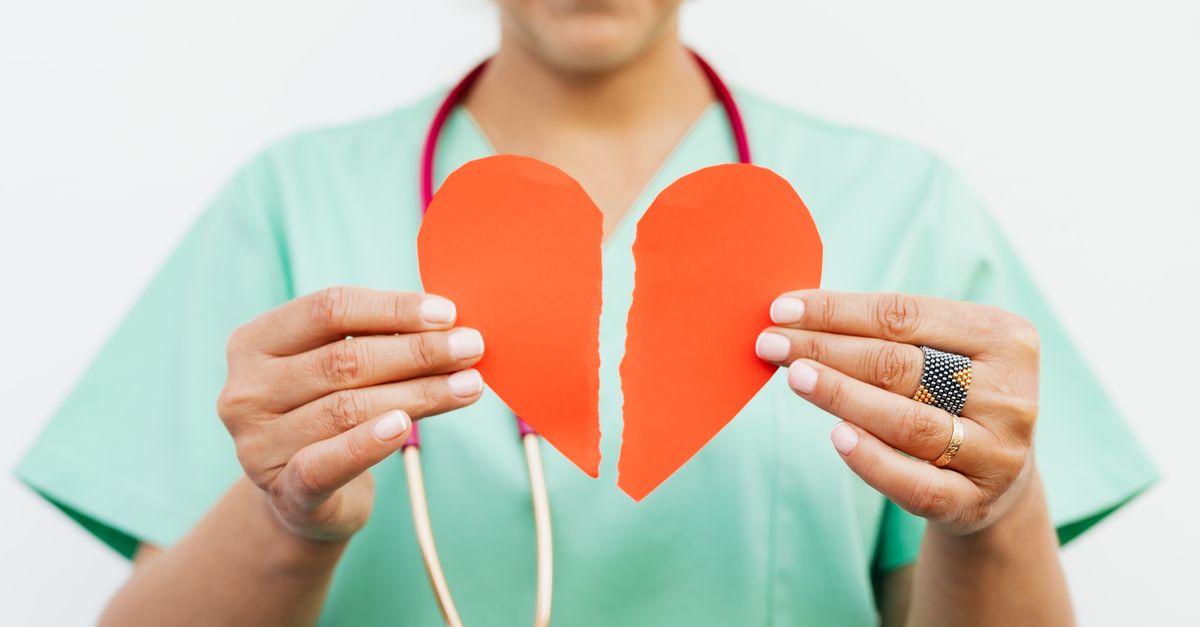
Increasing awareness about organ donation can save lives and reduce the growing transplant waiting list.
Each year, thousands of individuals find themselves on organ transplant waiting lists, hoping for a second chance at life. The disparity between the number of donors and those in need of transplants is stark, with the World Health Organization reporting that only 10% of the global need for organs is met. This gap highlights the urgent necessity for increased organ donation awareness. But how can this awareness be effectively raised to bridge the gap between donors and recipients?
Understanding the Need for Organ Donation
Organ donation plays a critical role in saving lives. The waiting list for organ transplants is not just a statistic; it represents real people with families and futures hanging in the balance. In the United States alone, over 100,000 people are waiting for a lifesaving organ transplant, but an average of 17 people die each day waiting. These numbers underscore a significant challenge: the need to increase both registered donors and actual organ donations.
Barriers to Organ Donation
Several misconceptions and cultural beliefs act as barriers to organ donation. Many people are still unaware of the organ donation process or harbor myths about it. For example, some believe that doctors might not work as hard to save their lives if they are known to be organ donors, a misconception that can be addressed through education and transparent communication.
Additionally, cultural and religious beliefs can influence decisions about organ donation. While most major religions support organ donation as a charitable act, misunderstandings persist. Engaging with community leaders and religious figures to provide accurate information can help dispel myths and encourage more people to register as donors.
The Role of Education and Advocacy
Education is key to increasing organ donation awareness. Schools, hospitals, and community organizations are pivotal in educating the public about the importance and impact of organ donation. Campaigns that share stories from transplant recipients and donor families can humanize the statistics and inspire action.
Advocacy groups and non-profits are also vital in this endeavor. Organizations like Donate Life America work tirelessly to increase the number of registered organ donors. Their campaigns often incorporate direct, emotional appeals as well as strategically targeted outreach programs to educate and encourage individuals to make informed decisions about organ donation.
Technological Advances in Organ Matching
While awareness is crucial, advancements in technology are helping to improve the organ donation process. Enhanced organ matching systems and the use of artificial intelligence to predict organ compatibility have the potential to reduce waiting times and increase successful transplant outcomes. These technologies, coupled with increased donor registration, can significantly impact the efficiency of the organ transplant system.
Moreover, innovations such as 3D printing and bioprinting are on the horizon, offering hope for creating viable organs for transplantation. While still in experimental stages, these technologies could revolutionize organ donation by providing an alternative to traditional donor organs.
Looking Ahead: A Call to Action
The path forward requires a collective effort. By increasing awareness and dispelling myths, we can encourage more people to consider becoming organ donors. Governments, healthcare providers, and communities must work together to create policies and programs that support organ donation initiatives. As awareness grows, so does the potential to save countless lives.
“Organ donation is a selfless act that transcends cultural and personal boundaries, offering hope and healing to those in need,” says Dr. Jane Smith, a transplant surgeon. As we look to the future, the goal remains clear: to narrow the gap between the number of donors and recipients, ultimately saving more lives.