
Optimizing Home Care for Elderly: Key Factors for Well-Being
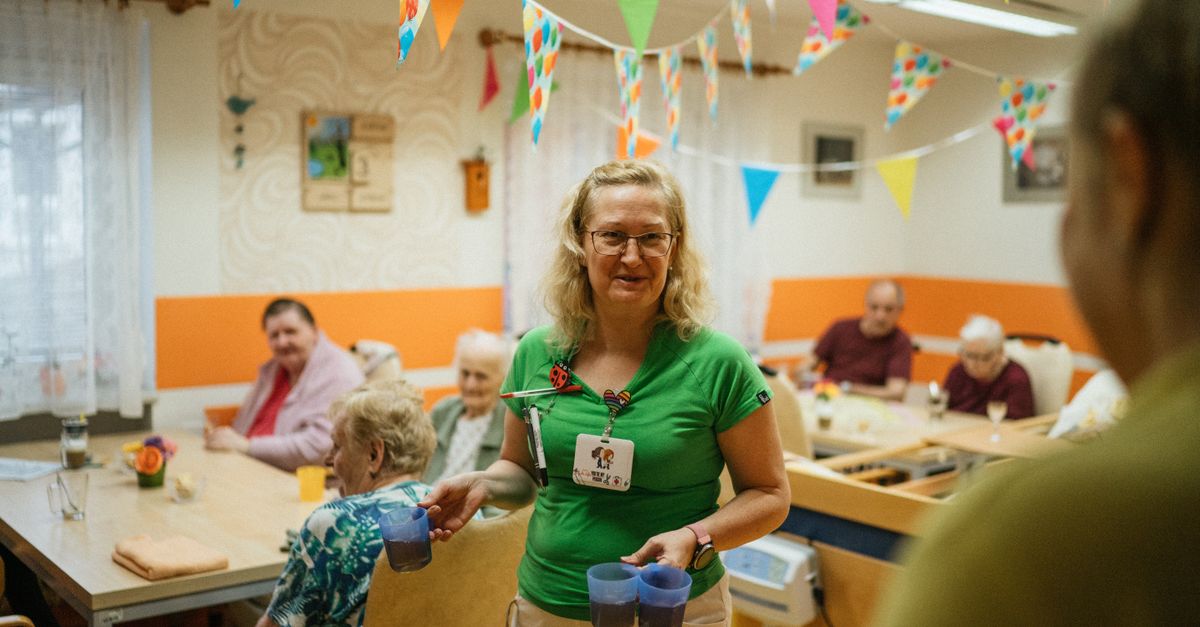
Research highlights critical elements affecting elderly well-being in home care settings, emphasizing optimization strategies.
The well-being of the elderly population receiving home care is increasingly becoming a focal point of research. A study published in Nature underscores the various factors influencing the quality of life for seniors in home care environments and delves into optimization strategies to enhance their care experience.
Key Influences on Elderly Well-Being
Several factors significantly affect the well-being of elderly individuals in home care settings. These include the availability and quality of healthcare services, the level of social interaction, and the adaptability of the home environment to meet specific health needs. Accessibility to medical professionals and timely interventions are crucial for maintaining health and preventing complications.
Social interactions also play a vital role in the mental health and emotional stability of the elderly. Regular contact with family, friends, and caregivers can mitigate feelings of loneliness and depression, which are prevalent among seniors living alone. The adaptability of the home environment, including modifications for mobility and safety, is another critical factor ensuring comfort and reducing the risk of accidents.
Strategies for Optimizing Home Care
Optimization of home care involves implementing strategies that address these key factors. Enhancing healthcare access through telemedicine services and regular in-home visits by healthcare professionals can significantly improve health outcomes. Telemedicine, in particular, offers a practical solution for those with mobility issues, providing access to medical advice without the need for travel.
Moreover, fostering social connections is essential. Community programs and virtual activities can help seniors stay engaged and connected, reducing isolation. Family involvement is also crucial, as regular visits and interactions provide emotional support and monitoring of their well-being.
Additionally, home modifications tailored to individual needs can create a safer living environment. Installing grab bars, ramps, and other safety features can prevent falls and injuries, contributing to a sense of independence and confidence in their daily activities.
Research and Future Directions
The study in Nature calls for further research to develop innovative solutions that enhance the home care experience. It advocates for a multidisciplinary approach, involving healthcare professionals, social workers, and policymakers, to create comprehensive care models that address both physical and emotional needs.
Future research will likely focus on integrating technology in home care, exploring the potential of smart home devices and AI to monitor health metrics and provide alerts for early intervention. Such advancements could revolutionize the way home care is delivered, offering more personalized and efficient care solutions.
Overall, the optimization of home care for the elderly is a multifaceted challenge that requires coordinated efforts across various sectors. By addressing these critical factors and embracing innovative strategies, it is possible to significantly enhance the quality of life for seniors living at home.