
Omaha's Healthcare Transformation: Tech Boosts Patient Outcomes
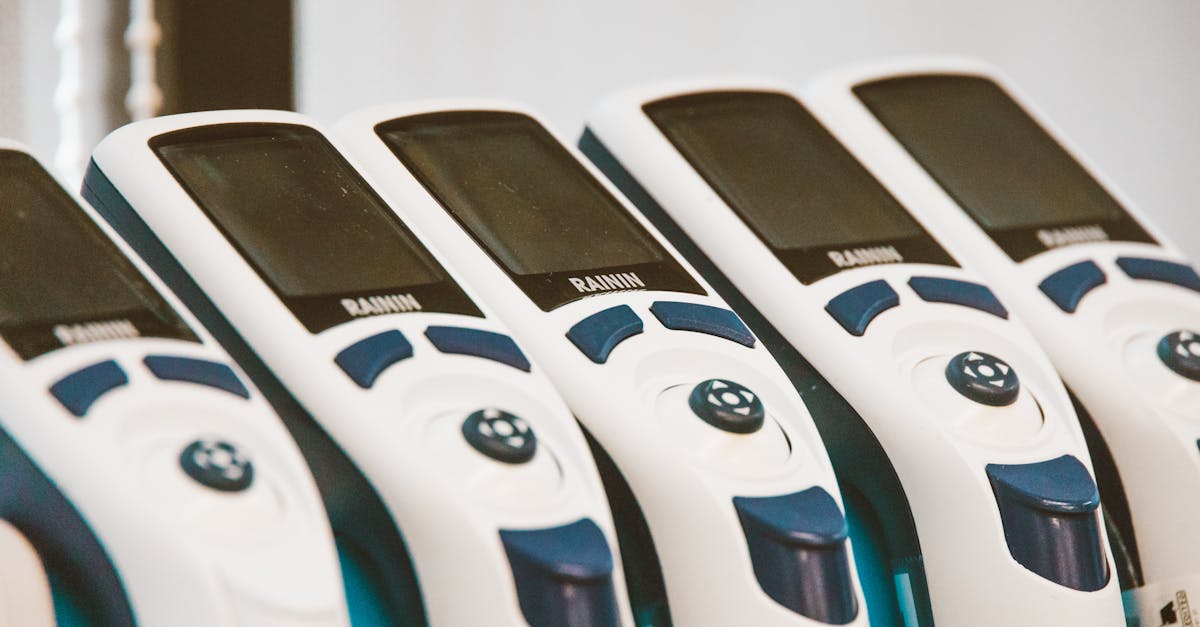
Omaha is revolutionizing healthcare delivery with tech advancements, enhancing patient outcomes and operational efficiency.
Omaha, Nebraska, a city traditionally known for its finance and insurance sectors, is quietly making waves in healthcare innovation. Through significant technological investments, Omaha's healthcare systems are achieving remarkable improvements in patient outcomes. The city's approach, which integrates technology at every level of care delivery, offers a model that could influence healthcare practices across the United States.
The Role of Telehealth in Omaha's Healthcare System
Telehealth has become a cornerstone of Omaha's healthcare transformation. The city’s major hospital systems, including Nebraska Medicine and CHI Health, have expanded their telehealth services dramatically since the onset of the COVID-19 pandemic. In 2022, Nebraska Medicine reported a 120% increase in telehealth visits compared to pre-pandemic levels, allowing patients greater access to care without the need for in-person appointments. This shift has not only improved convenience but also reduced hospital readmissions by providing timely follow-up consultations.
In part, this success is due to Omaha's strategic partnerships with telehealth technology providers, which offer platforms that comply with HIPAA regulations while integrating seamlessly with existing electronic health records (EHR) systems. This integration ensures that patient data remains consistent and accessible across various care settings.
Data Analytics Driving Precision Medicine
Another significant advancement in Omaha's healthcare landscape is the use of data analytics to drive precision medicine. By leveraging large datasets, healthcare providers in Omaha can identify trends and predict patient outcomes more accurately. Nebraska Medicine's collaboration with the University of Nebraska Medical Center has led to the development of predictive models that assess patient risk factors for chronic diseases, allowing for personalized treatment plans.
These initiatives are supported by federal incentives from the Centers for Medicare & Medicaid Services (CMS), which encourage healthcare providers to adopt data-driven approaches. As a result, Omaha is not only improving patient outcomes but also maximizing reimbursement opportunities under value-based care models.
Innovation in Patient Monitoring Technologies
Omaha's hospitals are also investing in advanced patient monitoring technologies. Remote patient monitoring systems, which track vital signs and other health metrics in real time, have been integrated into the care plans of patients with chronic diseases. For instance, diabetes patients at Methodist Health System now benefit from continuous glucose monitoring, reducing the need for frequent clinic visits and enabling more proactive management of their condition.
These technologies are crucial in reducing the burden on emergency services and inpatient care units. By catching potential health issues early, they help prevent complications that could lead to hospitalizations, thus reducing healthcare costs and improving patient quality of life.
The Impact on Healthcare Workforce and Training
Omaha's tech-driven healthcare initiatives are also reshaping the local healthcare workforce. There's a growing demand for healthcare professionals skilled in technology management and data analytics. Local universities, such as Creighton University and the University of Nebraska, are responding by offering specialized programs in health informatics and digital health.
Moreover, ongoing training programs for existing healthcare staff ensure that they remain proficient in using new technologies. This continuous professional development is essential in maintaining the high standards of care that Omaha’s healthcare institutions strive to deliver.
Omaha’s transformation provides an inspiring example of how a city can enhance its healthcare system through technology. As these innovations continue to evolve, Omaha's experience may serve as a beacon for other regions looking to improve patient care through technological advancements.